LONDON TREE CARE / Hampstead
Tree Surgery Hampstead
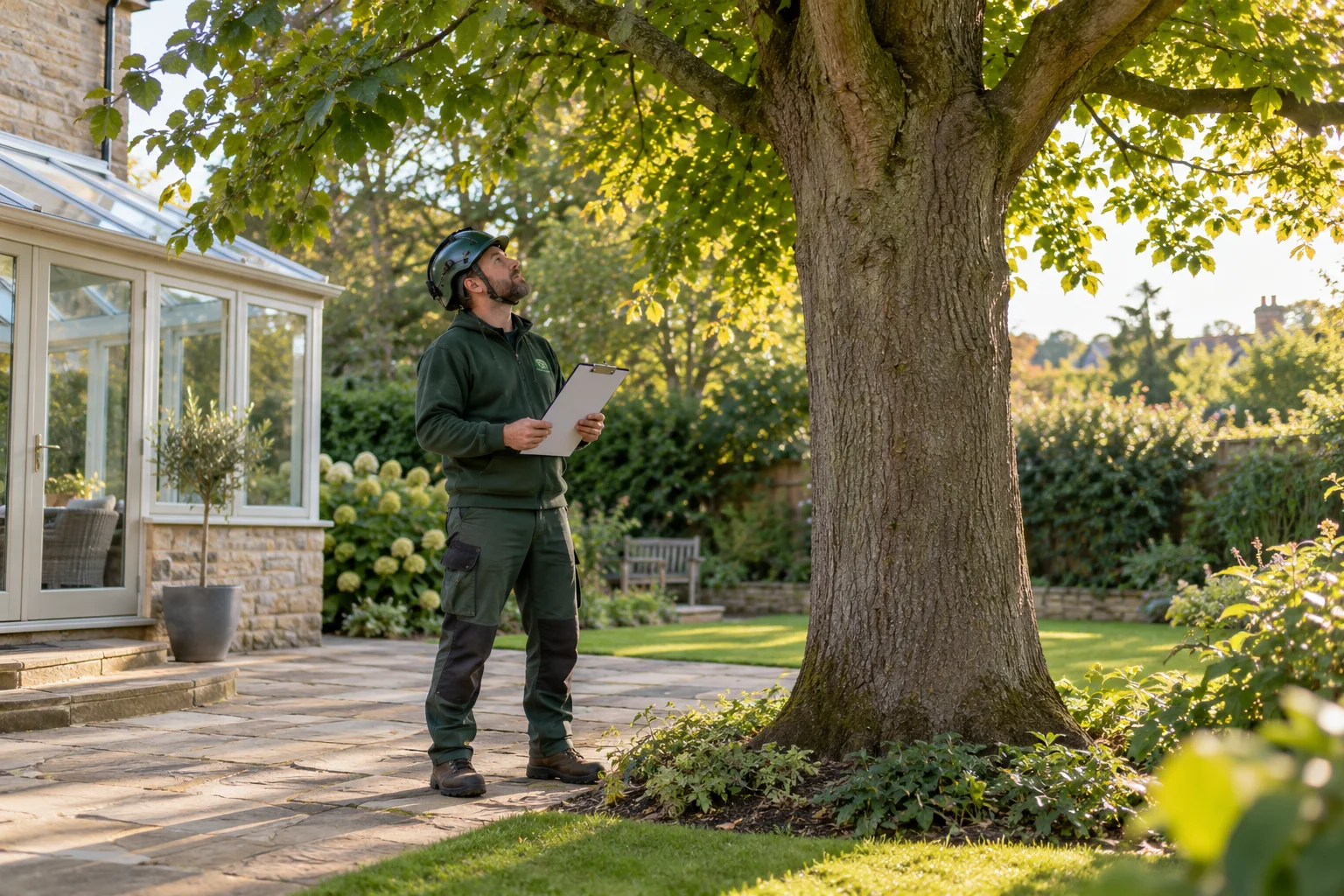
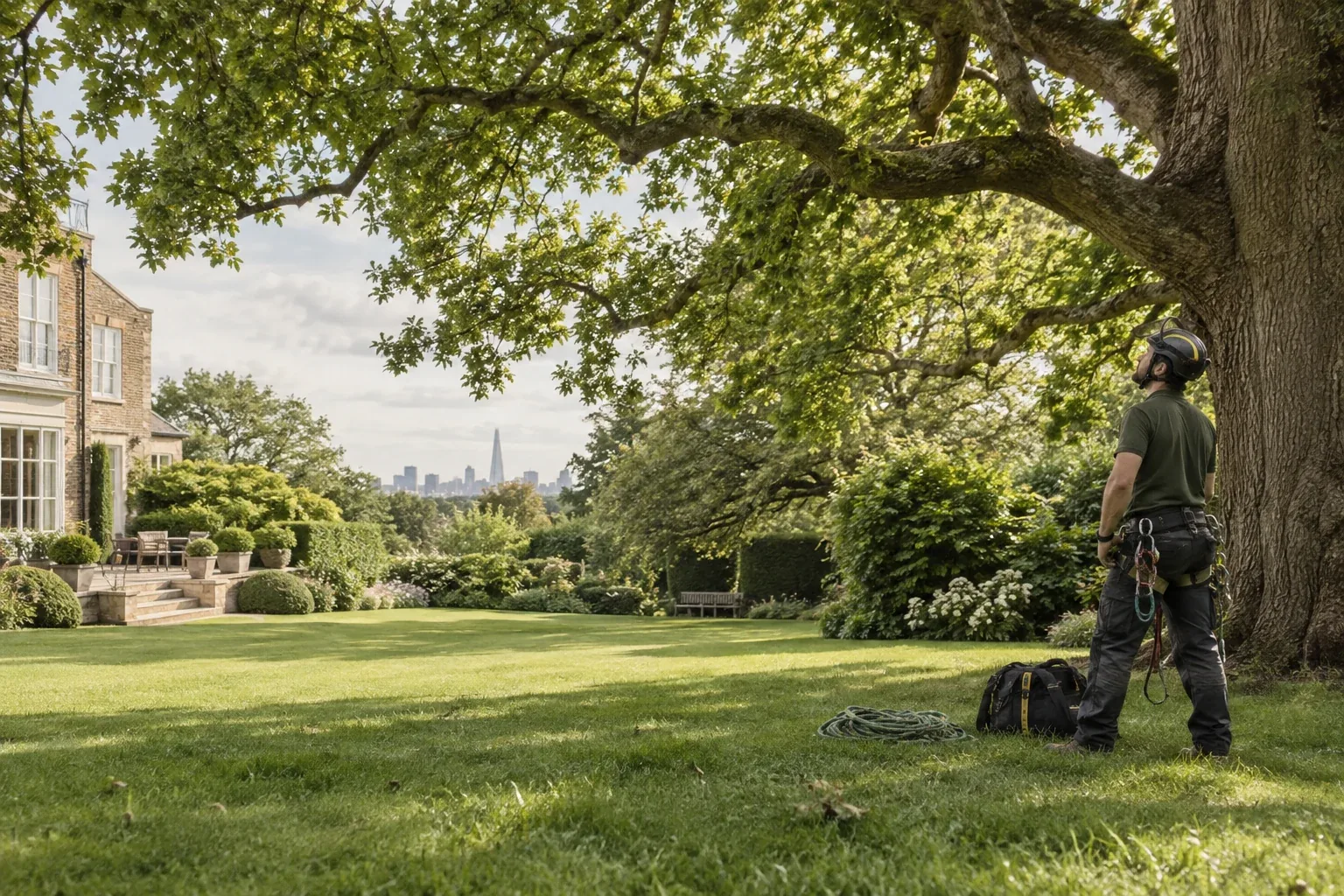
A mature tree in Hampstead may be valued for the shape and shelter it has developed over many years. Management should begin with the tree that exists, including its condition, previous pruning and relationship with the occupied garden. Age or size alone does not establish the need for removal. Tree Surgery London accepts Hampstead enquiries and can discuss the concerns behind a proposed operation.
- Proportionate management for an established tree
- Avoiding severe cutting as a substitute for an inspection
- Practical preparation for a mature garden tree valued for its established character
Home / London coverage / Hampstead
The useful question is what intervention, if any, responds proportionately to the findings and the way the surrounding space is used.
Old pruning points, cavities or dead branches need interpretation in context. A feature that looks dramatic from the ground may require further investigation, while a less obvious change may be significant. Ask what can be established during the proposed visit and whether the findings support a management recommendation or a need for more specialist investigation. Photographs are useful background but cannot answer every structural question.
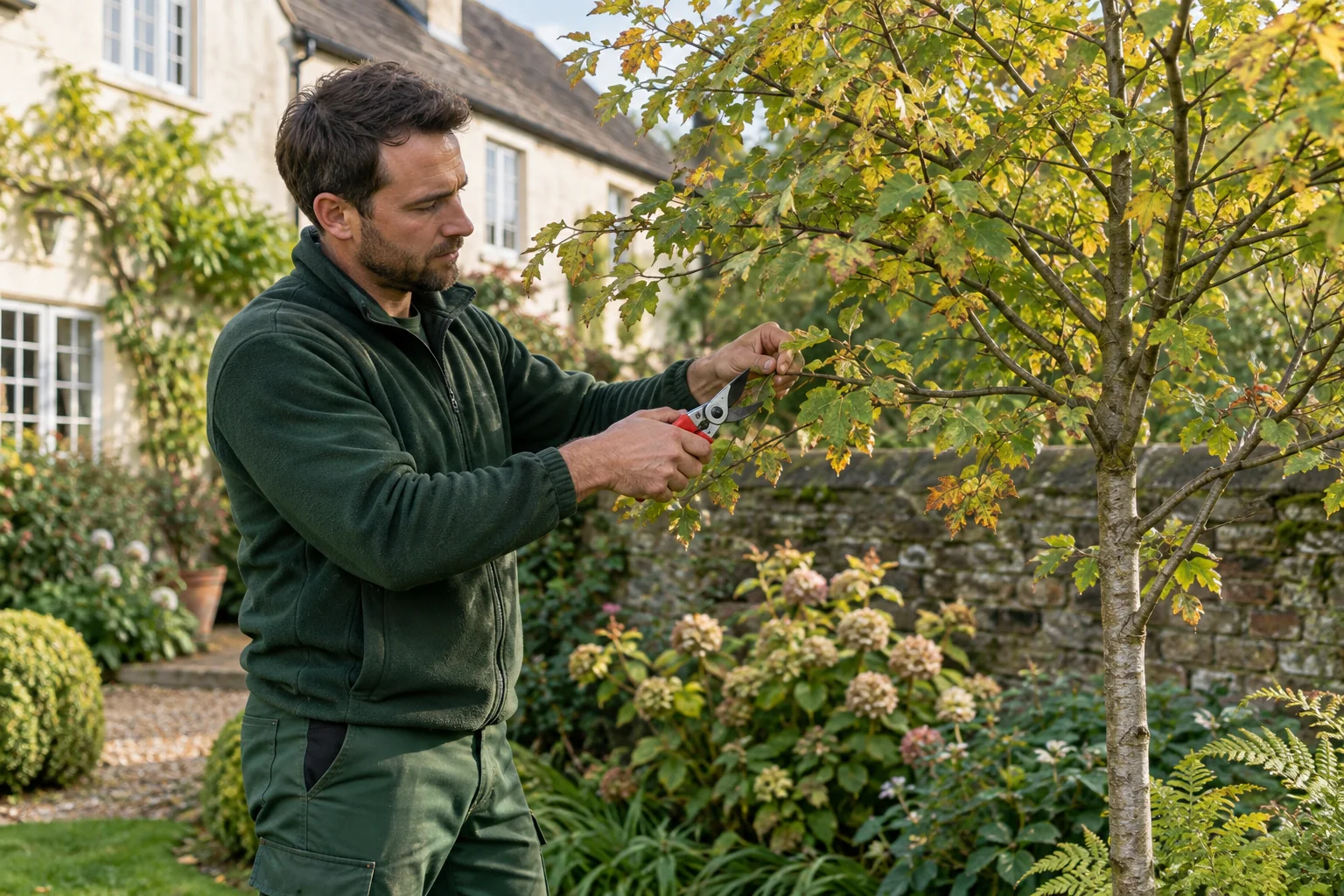
Consider the consequences of heavy pruning before requesting it. Large wounds, altered loading and a strong regrowth response can create future management demands. A more limited operation, changes in how a space is used, or a planned review may be relevant options depending on the assessment. Keeping a mature tree responsibly involves recognising the limits of a single intervention and maintaining useful records over time.
Start with the individual mature tree
Tell the assessor what has prompted concern and how the surrounding space is used. A striking shape, large diameter or visible old feature is not a complete diagnosis. The tree’s previous management and current condition need interpretation together, including any finding that warrants further investigation before a confident recommendation can be made.
The tree care information can help frame an inspection request. Provide old reports and photographs rather than describing the tree as unchanged from memory. A documented history gives the professional a better basis for understanding whether a feature is longstanding or a genuinely recent development.
Keep the permission and assessment records connected
For a mature tree, protection checks should still be made against the actual address, specimen and proposed operation. Agree who will deal with any required authority process and keep the relevant response with the assessment and specification. A longstanding management history does not establish that every future operation is covered. Where a recommendation changes, review the updated scope rather than rely on a recollection of past permission. Give the contractor relevant wildlife observations and allow the work programme to reflect the requirements identified for the actual tree.
The quotation should describe practical work separately from any further assessment or monitoring recommendation. Clarify access, protection and the destination of material, and ask what remains outside the scope. Larger cutting is not automatically a more comprehensive response to uncertainty about condition. If a staged plan is advised, understand the purpose of each stage before comparing costs. Retain the final operation, findings and review advice together. The next decision can then consider the tree’s response and changes in the site instead of repeating a historic instruction simply because that is what was done before.
| Decision to make | Information to provide | What to clarify |
|---|---|---|
| Proportionate management for an established tree | Views of a mature garden tree valued for its established character and the feature that prompted the enquiry | The intended result and the limits of the recommended operation |
| Pruning or removal | Tree condition, previous work and the reason for the request | How the recommendation addresses avoiding severe cutting as a substitute for an inspection |
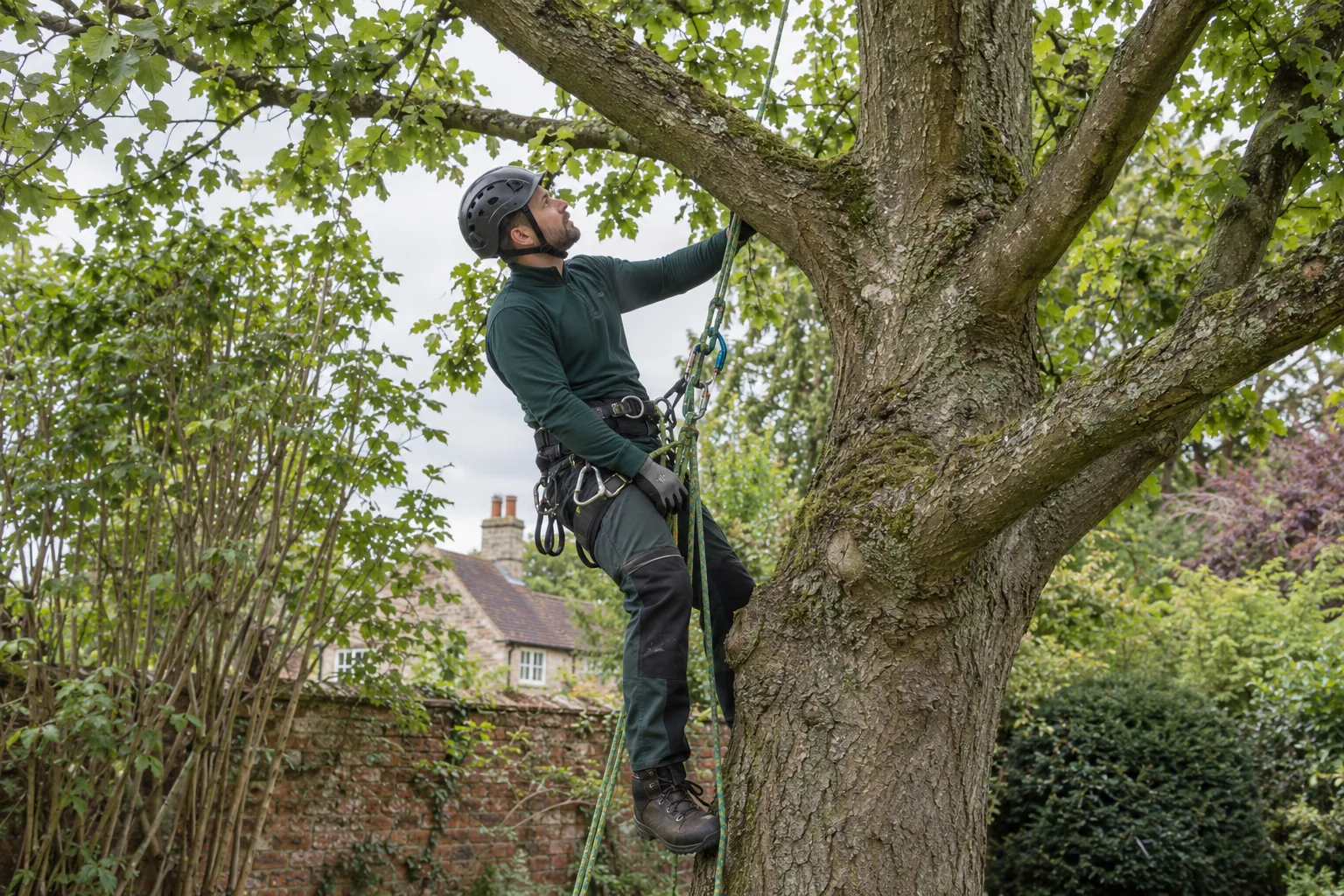
| Work method and access | Gate measurements, route photographs and fixed obstacles | Equipment, handling arrangements and protection included in the scope |
| Permission position | Exact property address, tree reference and any existing records | Who confirms the applicable requirements before work proceeds |
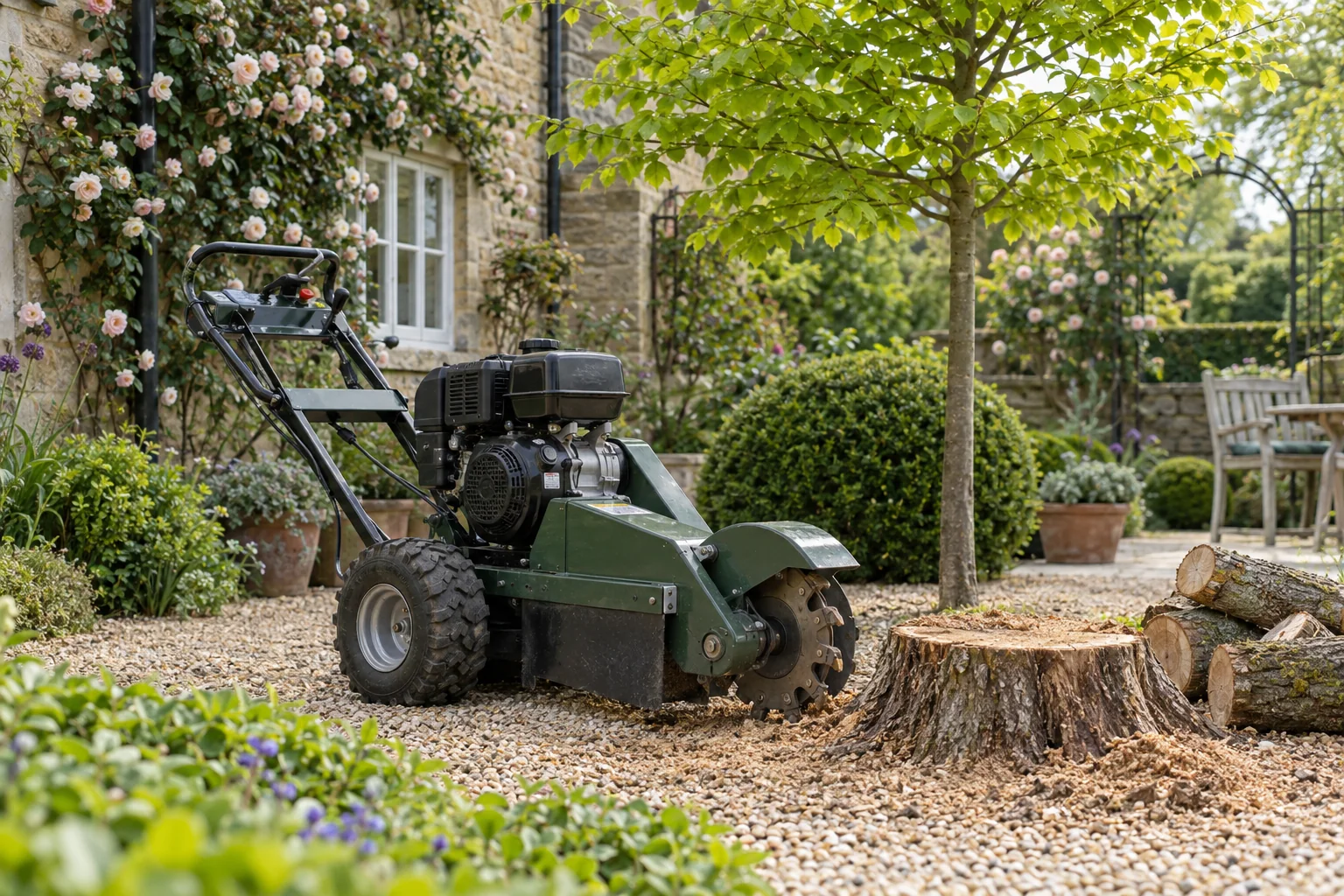
| Completion and follow-up | Whether timber stays and what use follows the operation | Clearance, remaining ground work and any recommended review |
Preparing for the visit in Hampstead
Locate older photographs and reports, especially those recording previous defects or reductions. Explain which areas beneath the canopy are occupied and how often. Discuss a suitable review interval with the assessing professional rather than assuming that an annual visit is necessary or sufficient in every case.
Consider what heavy cutting would create
A wish to reduce worry can lead to an excessively large pruning request. Ask how the proposed wounds, remaining crown and likely regrowth would affect later management. The crown management guidance explains why a smaller intervention may deserve consideration rather than assuming severe cutting gives a permanent answer.
Discuss the practical use of the garden too. Depending on the assessment, management can involve more than an immediate change to the canopy. The professional should explain the purpose of each option and the limits of what it can achieve. The owner should not be left comparing vague reassurance with an equally vague warning about a large tree.
Record the reasoning for the chosen next step
Where work is recommended, retain the specification alongside the assessment that informed it. If removal is chosen, clarify the full operation and ground implications rather than recording only that the tree was mature. A clear account helps future property decisions and avoids losing the reason behind an irreversible change.
Where monitoring or review is advised, ask what it is intended to observe and what should prompt earlier contact. Keep comparable photographs from safe ground positions. A review interval is part of a case-specific recommendation, not a guarantee about the tree or a rule that should be transferred to every other specimen in the garden.
Discuss the next step for your Hampstead property
Start with the Hampstead enquiry information and explain the result you want, the tree concern and the access available. For proportionate management for an established tree, the Tree Surgery London homepage gives the wider introduction to the service. For an address outside Hampstead, the guides for Camden and Highbury provide related local enquiry routes; use the actual property address when arranging attendance.
Availability, the final operation and the quotation should be confirmed for the individual Hampstead property, with avoiding severe cutting as a substitute for an inspection explained before the work date is agreed.
Local permission checks for Hampstead
Hampstead enquiries benefit from separating the value of retaining a tree from the question of whether a particular defect needs action. A broad request to reduce a mature crown can obscure a more specific issue that an inspection could address. Show the damaged or conflicting feature, its relationship to the garden and the whole tree. An arborist can then consider the condition and structure instead of treating removal as the default response to age or size.
For a property within Camden, use the council's protected-tree guidance and current conservation mapping. Some conservation-area trees also have individual TPO protection, so the absence of an obvious sign or a previous pruning history is not a reliable check. If the address uses a neighbouring place name or lies near an authority boundary, confirm jurisdiction before applying. Keep the tree number consistent across the permission documents and quotation, and explain any access needed from adjoining land. This makes the practical proposal and the administrative approval refer to the same work.
Questions about tree work in Hampstead
Does a very large tree automatically need removal?
Size alone does not establish the correct operation. Its condition, structure, setting and the use of surrounding space should inform the recommendation, with any further investigation explained rather than inferred from appearance.
Can a hollow feature be judged from the ground?
Its significance may require interpretation or further investigation, depending on the tree and findings. Report what is visible without probing the feature, and ask what the proposed assessment can reasonably establish.
Will heavy pruning solve every mature-tree concern?
Severe cutting can create new wounds, loading changes and regrowth demands. Ask why a particular operation is recommended and compare it with other proportionate management options supported by the actual assessment.
How do I describe use beneath a Hampstead canopy?
Explain where people sit, play, enter buildings or regularly pass. That information helps the professional understand the surroundings; occasional use and continuous occupation should not be presented as the same site condition.
Should a mature tree always be inspected annually?
A review interval should have a reason linked to the findings and circumstances. Ask what the review is intended to check and what change would justify advice sooner, rather than assuming a universal calendar rule.
Why keep old photographs of a mature tree?
They can reveal previous pruning, crown changes and the history of visible features. Date and label useful images so a later assessor can compare the tree meaningfully instead of interpreting isolated views without context.
Is there useful action between professional reviews of a retained tree?
Follow any case-specific observation advice and maintain a dated record of meaningful changes from safe positions. Avoid climbing, probing or cutting features yourself. The purpose is to pass useful information to the professional when needed, rather than turn household observation into a substitute for an appropriate inspection.