TREE SURGERY LONDON / INFORMATION
Our Services
Choose the service by the problem you need to solve. Practical tree work, ongoing garden upkeep and a new landscaping project require different briefs. This directory explains the available enquiries and helps you find the most useful starting point without creating several competing names for the same operation.
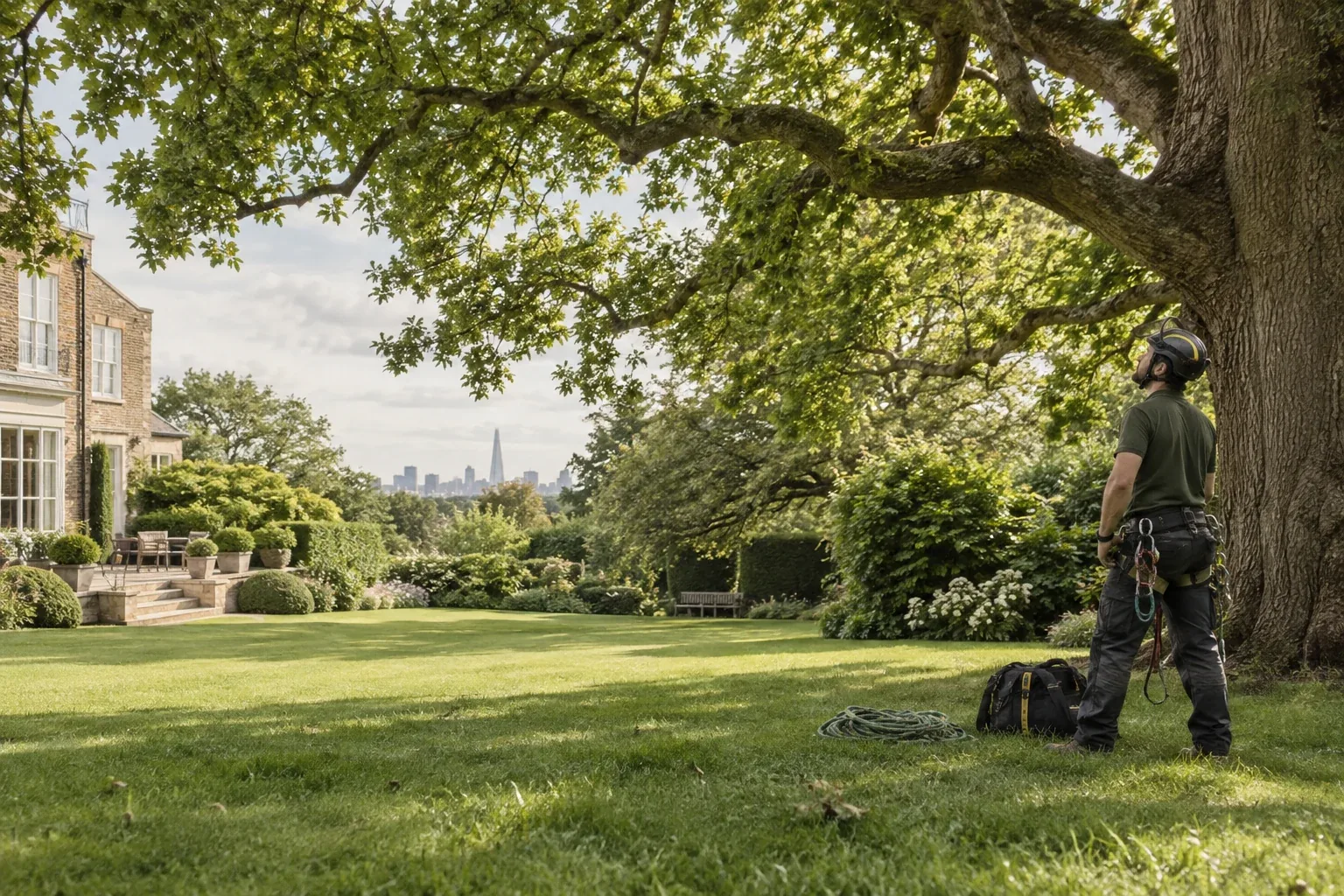
Tree Surgeon Services in London ↗
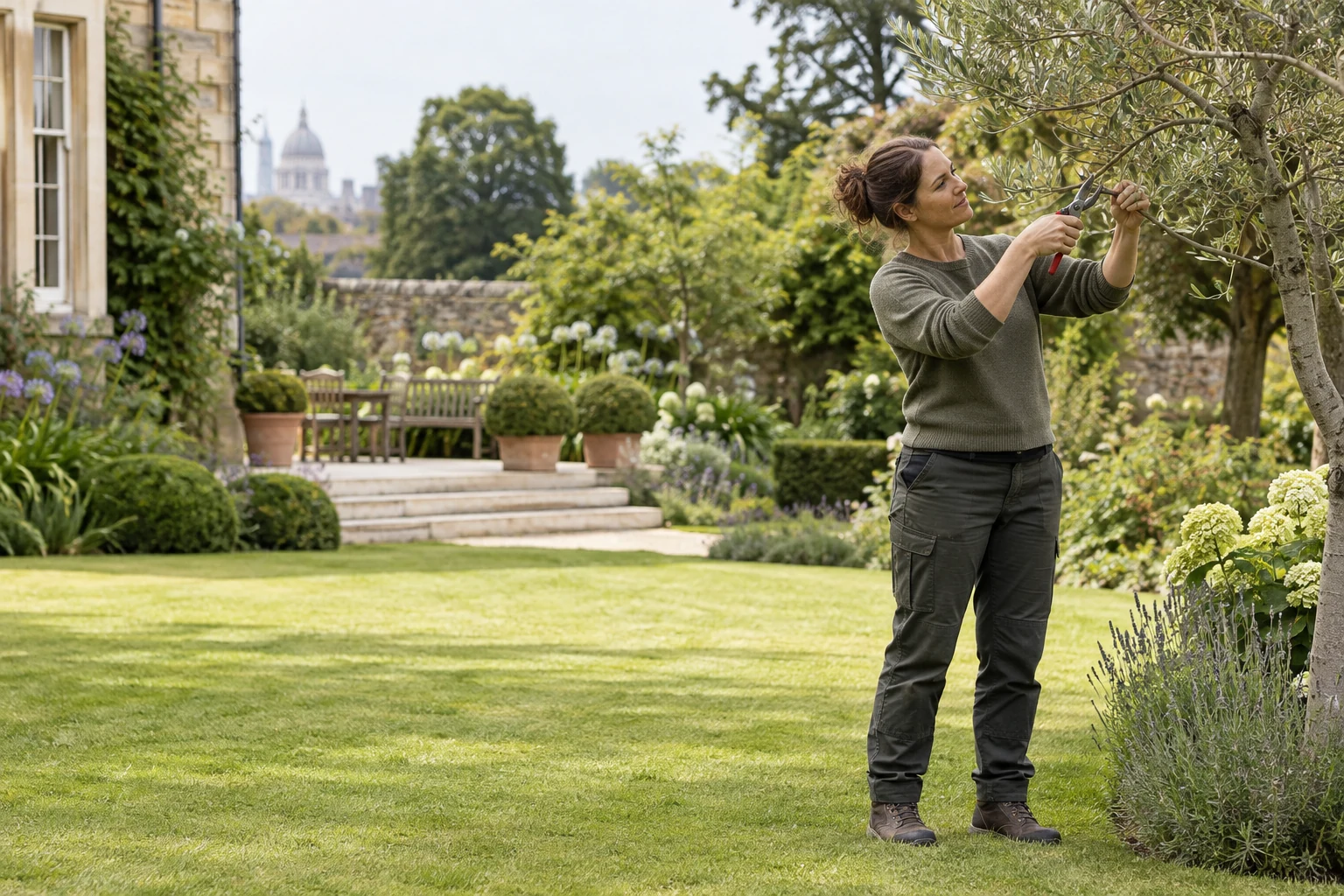
Tree Pruning in London ↗
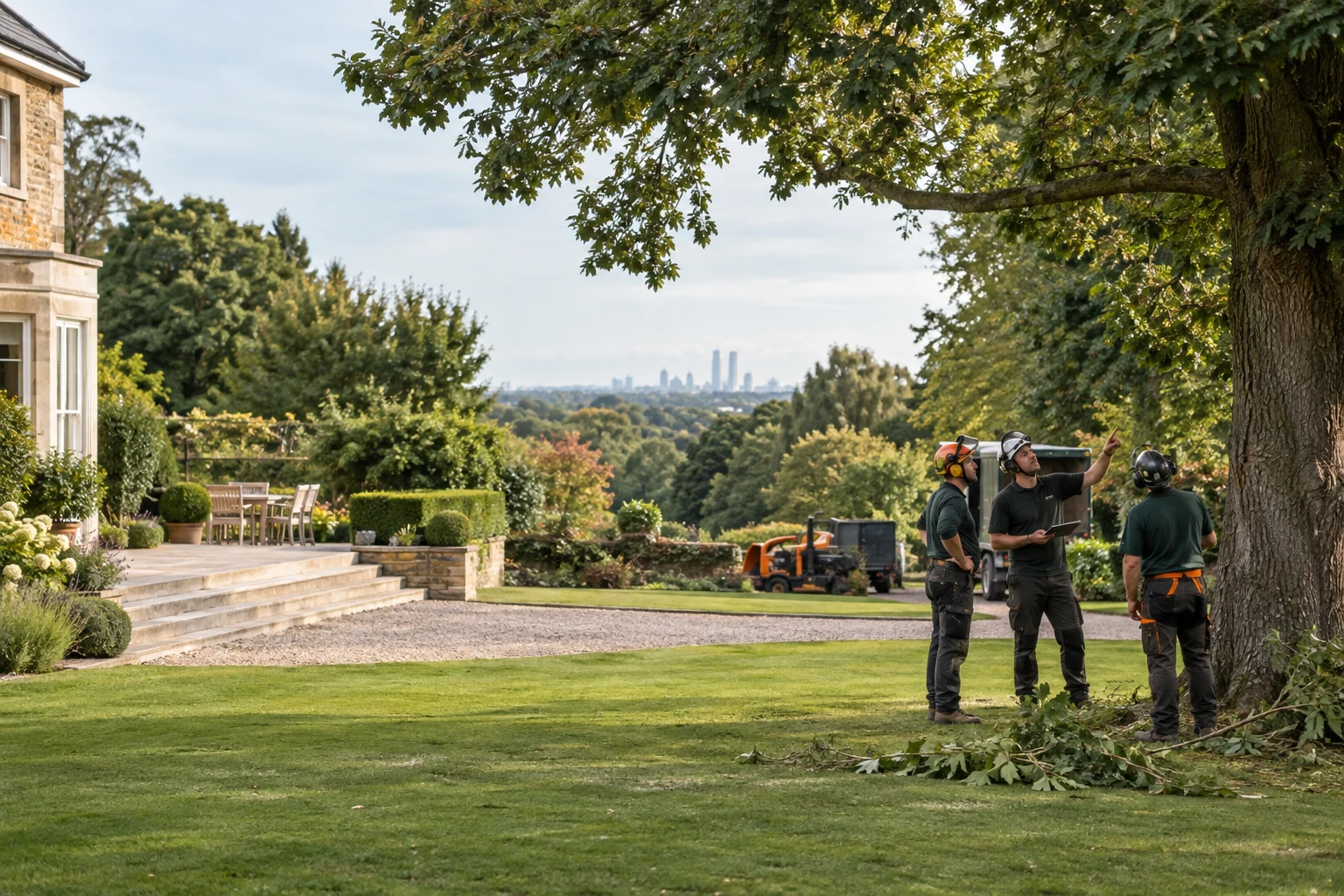
Tree Felling and Removal in London ↗
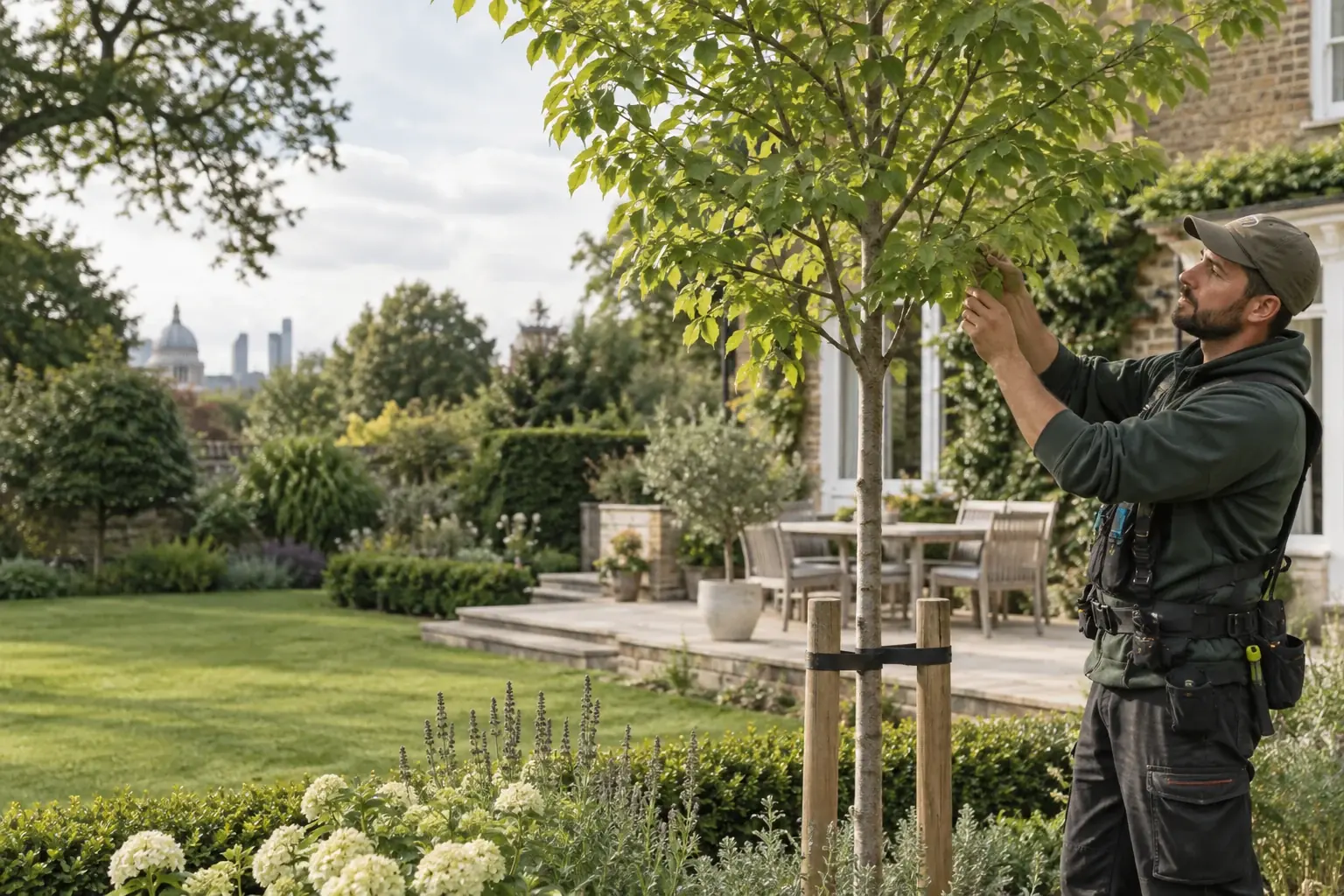
Tree Care Services in London ↗
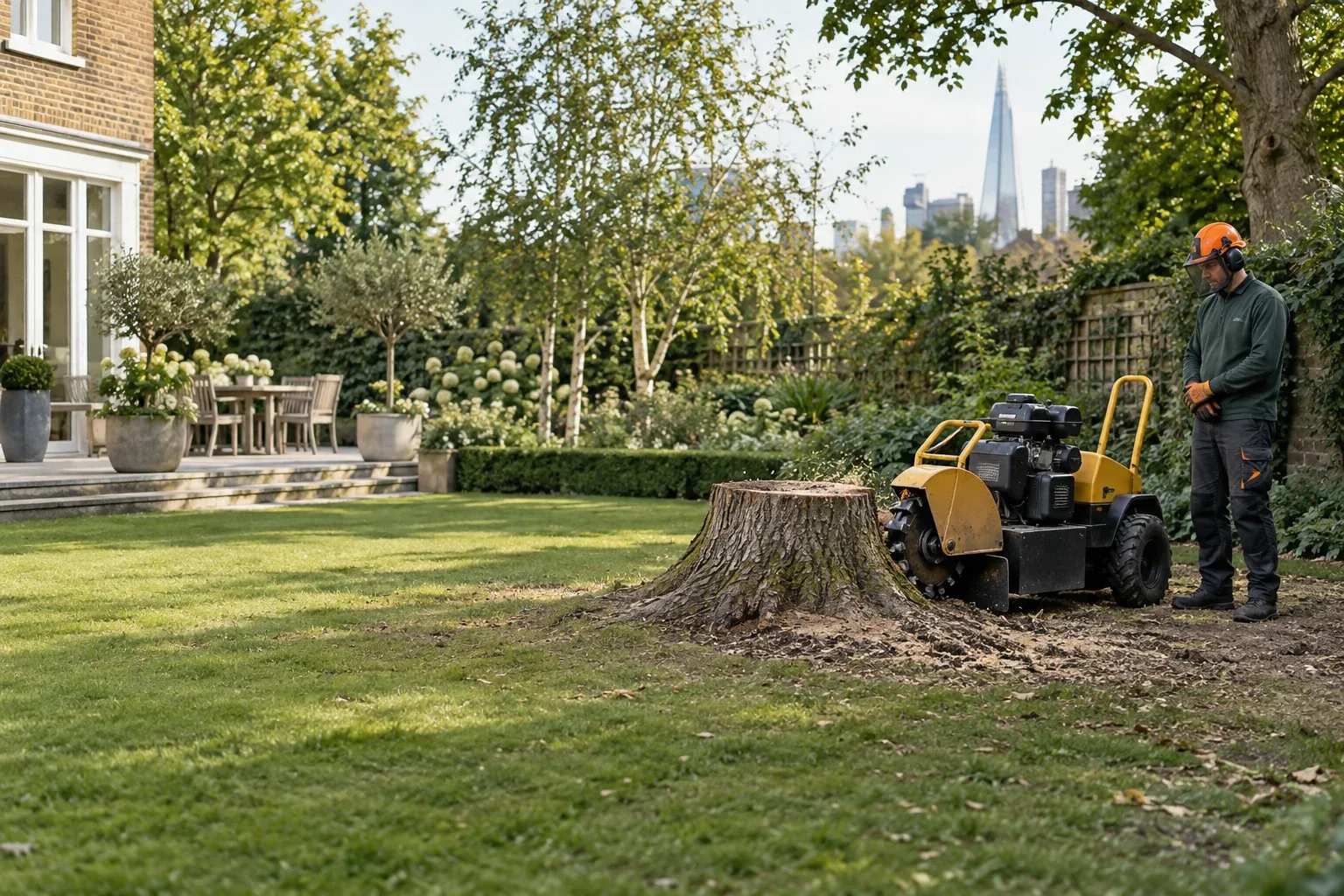
Stump Grinding in London ↗
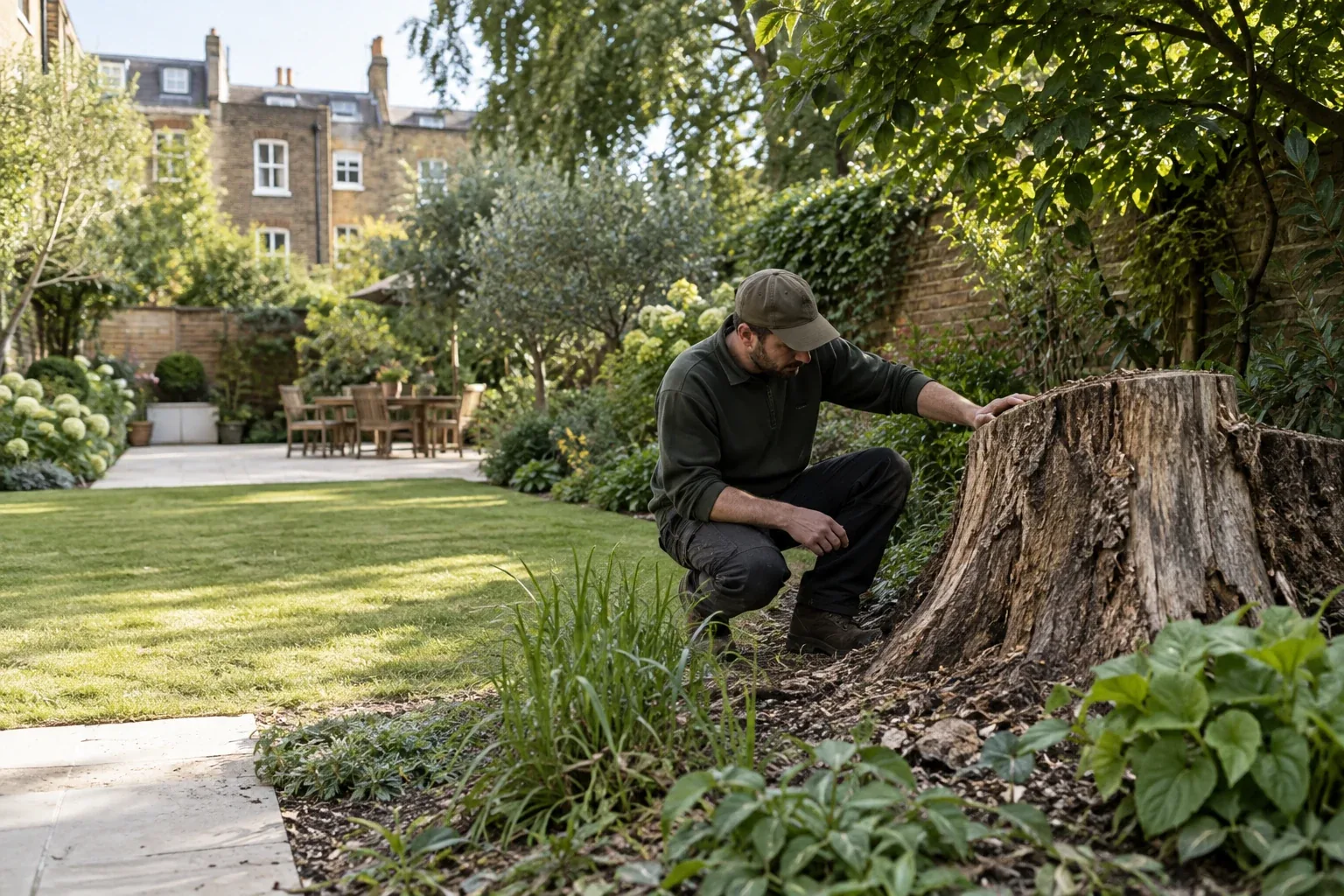
Tree Stump Removal in London ↗

Gardening Services in London ↗
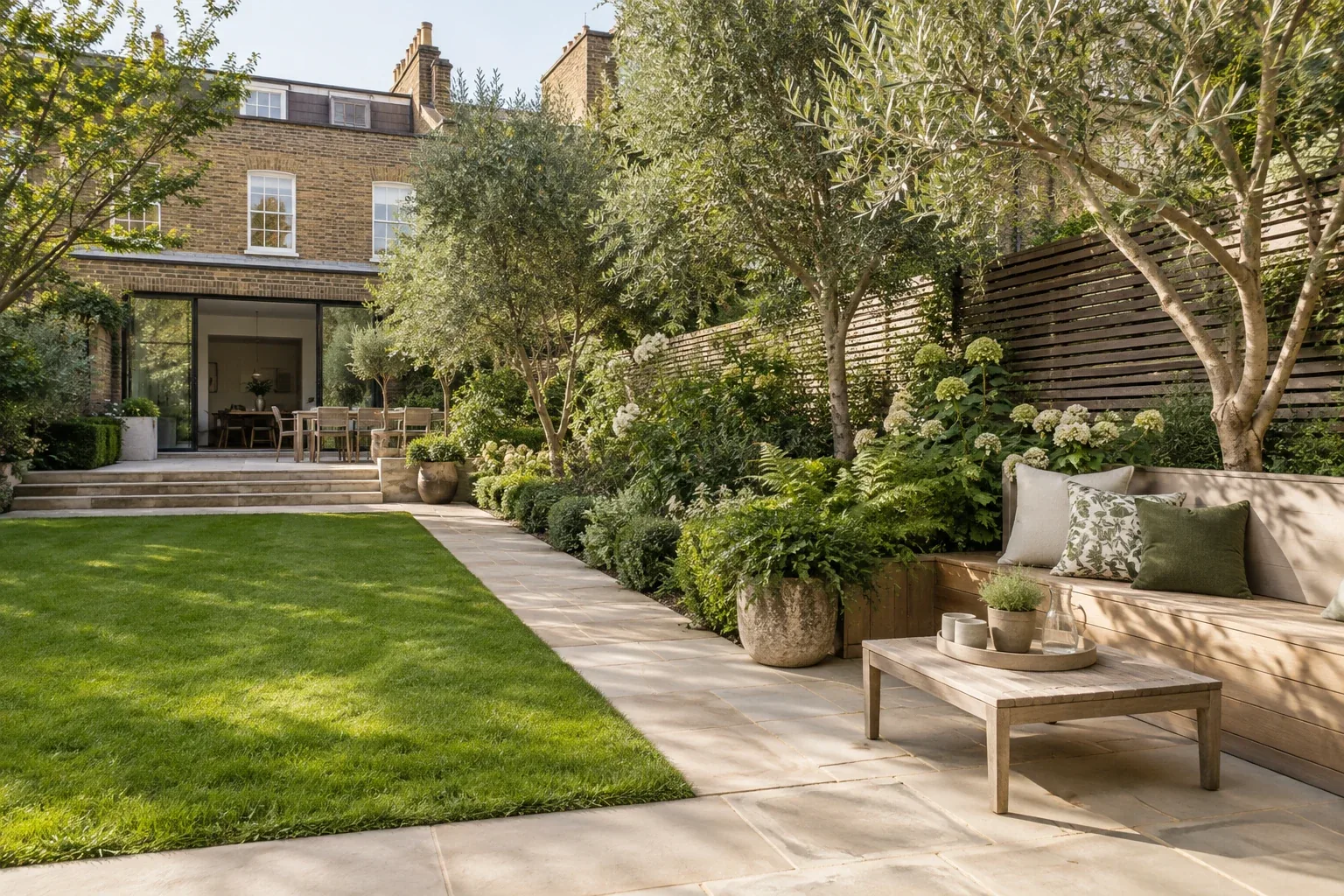
Landscaping Services in London ↗
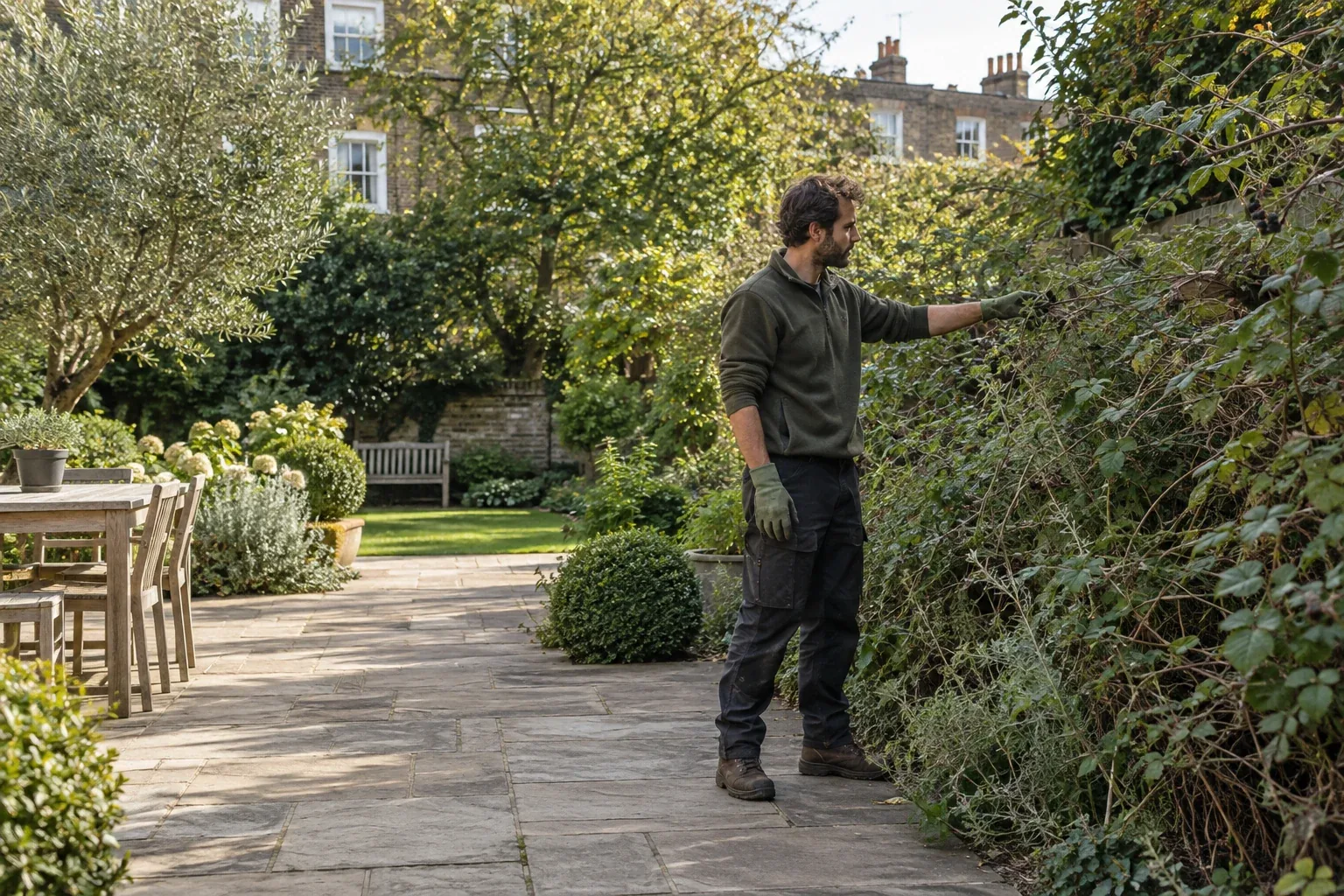
Garden Clearance in London ↗
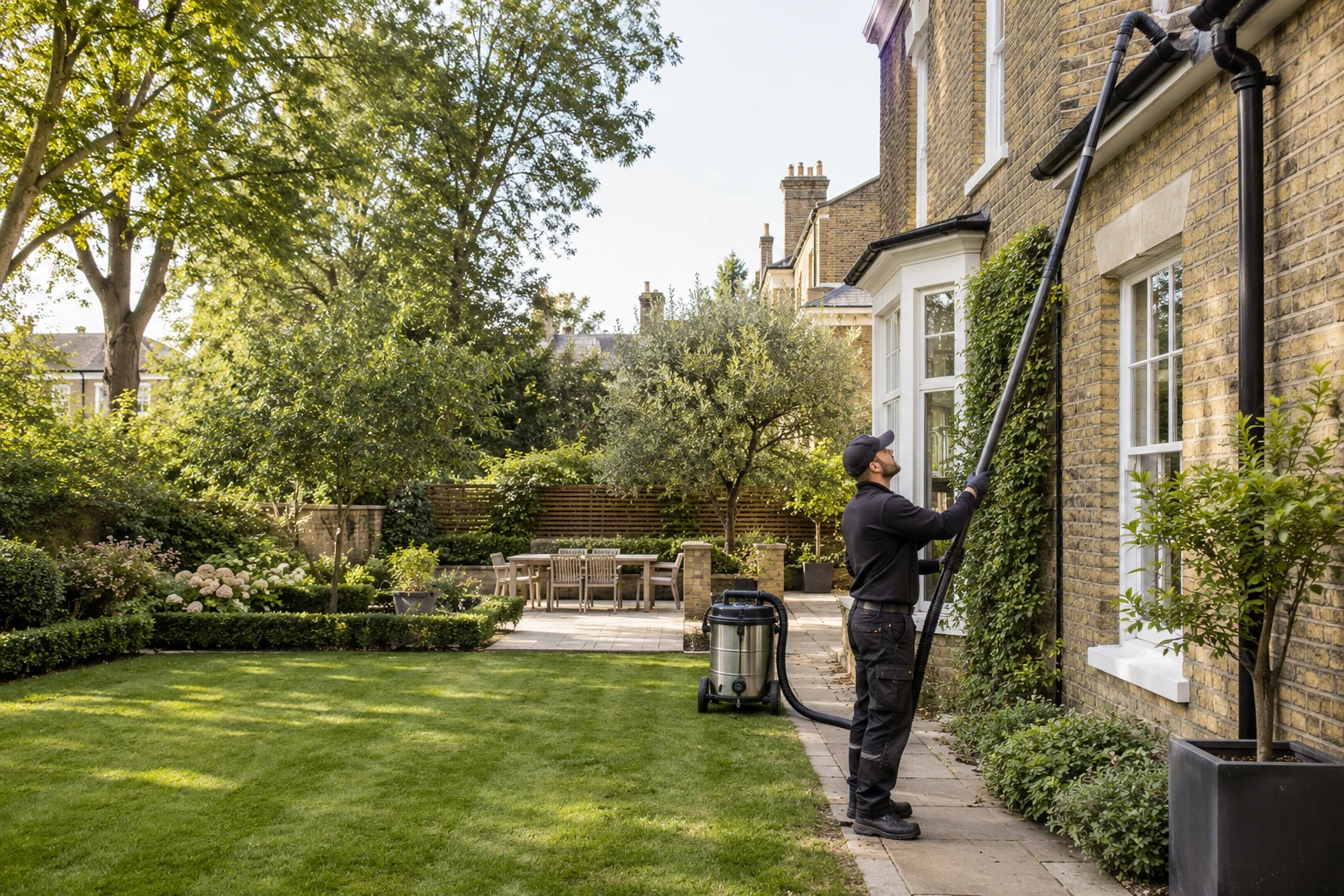
Gutter Cleaning in London ↗
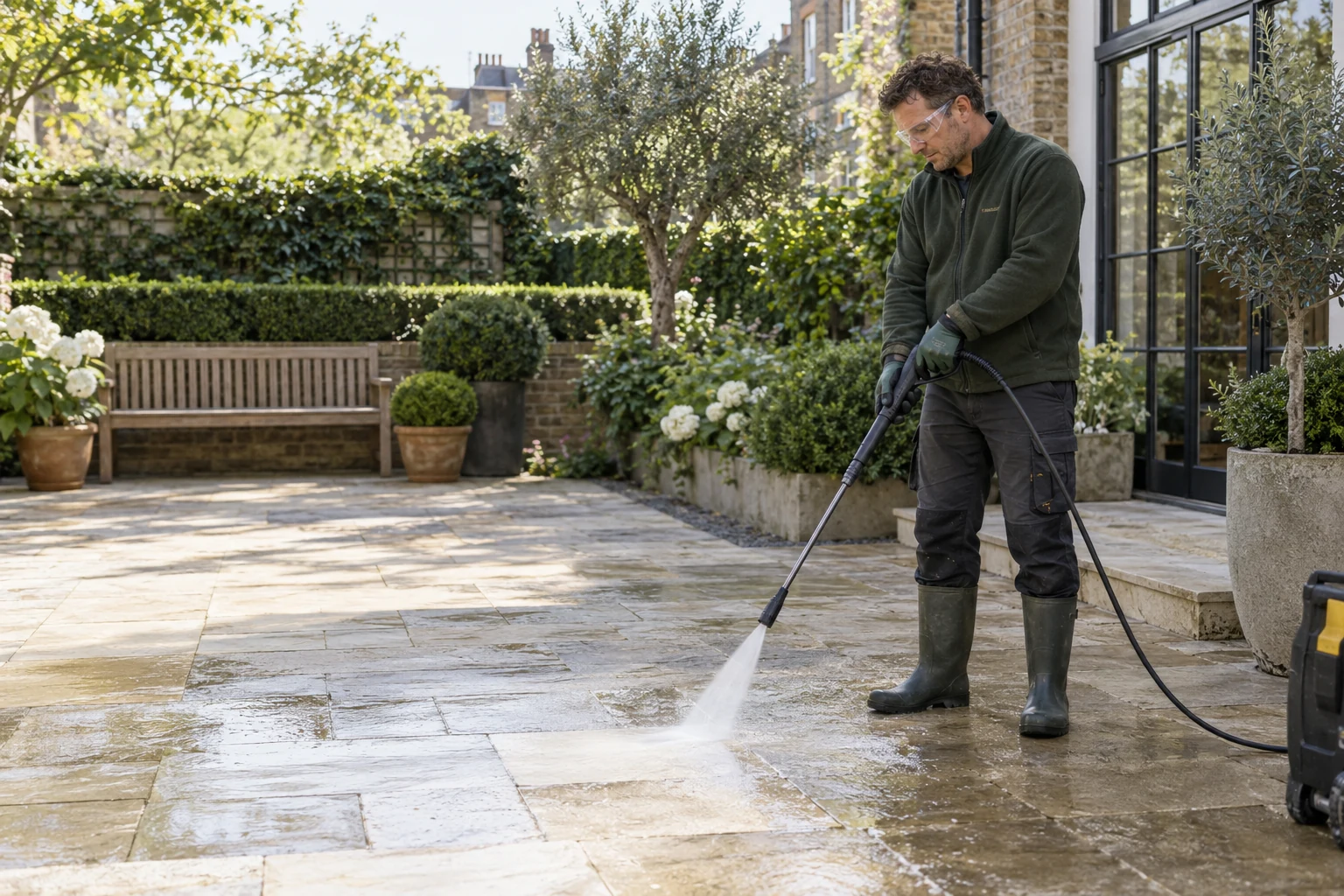
Pressure Washing in London ↗
Tree work: advice and practical operations
Tree surgeon services are the starting point when you need to discuss the nature of a tree-work visit, who will undertake it and how the scope should be agreed. That conversation is useful when you have a concern but are not yet sure which operation is appropriate. A formal report for another organisation should be identified separately.
Tree pruning covers selective branch work and the different purposes of crown reduction, thinning and lifting. Those operations are explained together because choosing between them is part of a sensible pruning enquiry. A suitable choice depends on the same tree, its condition and the intended outcome.
Tree felling and removal concerns the decision and planning involved in taking down a standing tree. Ground felling and sectional dismantling are alternative methods of achieving that outcome, not services that should be selected purely from a photograph. The condition, working area and surrounding property influence the approach.
Tree care looks at management over time, including observations, suitable interventions and the growing environment. It is distinct from assuming every tree needs routine annual cutting. If the purpose is a planning survey, insurance report or specialist diagnosis, describe that requirement before treating a general care enquiry as the correct commission.
Stumps: distinguish the outcome from the machine
Tree stump removal helps you compare what you want from the space with the possible approaches. Retention, reducing the visible obstruction and preparing for a particular ground project are different outcomes. The page explains why an agreement must identify what remains and what further preparation may be needed.
Stump grinding focuses on the mechanical method: access for the proposed equipment, the working area and depth, underground information and the handling of grindings. It does not mean every root has been extracted. Reading both pages can be useful, but they answer different decisions rather than compete to describe an identical visit.
Looking after a garden or changing it
Gardening services concern practical upkeep within an agreed scope. Seasonal priorities, the plants to retain and the difference between a time-limited visit and a completed task list should be discussed. Heavy tree work and major ground projects should not be assumed to fit inside an ordinary maintenance appointment.
Garden clearance is a recovery or preparation stage for an overgrown or cluttered plot. It needs instructions about retained plants, the boundary of the work and the materials involved. Green waste, stored rubbish and potentially unsuitable material should be described separately, rather than presented as one unspecified quantity of garden waste.
Landscaping deals with a defined improvement or change to the garden. Ground conditions, access, retained trees, materials and the intended finish influence the project. A new layout requires a different agreement from ongoing tidying, and a clear planting or surface plan is more useful than a collection of appearance references alone.
Exterior cleaning has its own boundaries
Gutter cleaning considers debris in the gutter system, suitable access and what can be checked during the visit. Persistent overflow may relate to a defect or downstream issue rather than removable material. Cleaning should be distinguished from roof repairs, replacement components and underground drainage work.
Pressure washing concerns suitable outdoor surfaces and an approach appropriate to their material and condition. The strongest pressure is not automatically the most useful method. Joint condition, drainage, nearby planting and any separate finishing treatments need to be discussed before a result is promised.
How to prepare a useful enquiry
Give your postcode, a short description of the issue and photographs showing the surroundings, not just a close-up. For machinery or material handling, show the access route from the road to the work area. Mention steps, narrow openings, shared passages, overhead services and fragile features that may affect the plan.
Say what would count as a satisfactory finish. You may want branches removed, logs kept, a stump reduced, a garden made accessible or a particular surface cleaned. These are more useful instructions than asking for everything to be sorted. If several tasks are connected, explain the overall aim so they can be separated into an appropriate sequence.
One project can need more than one scope
Taking down a tree may lead to a stump enquiry, then a landscaping decision. Recovering a neglected garden may reveal a surface that needs repair rather than cleaning. Those connections do not mean every task is included in the first quotation. A clear boundary between stages prevents a provider being expected to solve conditions that were not visible or described.
Ask which parts are offered by the appointed provider and which need a separate commission. Read the booking terms and confirm who is responsible for the practical work. Tree Surgery London’s published model is an introduction to service providers, so the provider’s identity and the applicable agreement should be clear.
Permissions and checks still apply
Tree work can require checks for a Tree Preservation Order, conservation-area controls and wildlife. Ground projects may raise separate planning, ownership or service-location questions. Exterior work can also involve public or shared access. A convenient appointment date does not establish that every required permission or practical arrangement is in place.
State any existing permission, survey or instruction from another professional. If you are booking for a landlord or residents’ group, identify who can approve the scope. The right enquiry should make those decisions easier, not bypass them by treating a website service label as a complete specification.
Compare the proposed work, not only the headline figure
The prices guide explains why access, condition, method and material handling can change the cost. Request a written description of what is included and excluded, with applicable VAT and any separately commissioned work. Two prices are not directly comparable if one includes clearance and the other leaves it to the customer.
For general availability, use the London coverage page and give your postcode when calling. There are no separate location pages to imply a staffed office in each area. If the service is not obvious from the descriptions, contact the enquiry number with the problem and the outcome you need; the next step can then be discussed on a clear basis.
USEFUL ANSWERS
Questions about the next step
Can I arrange several services together?
Explain the overall project, but ask for the tasks to be identified separately. Different equipment, access requirements or providers may be involved. A combined conversation is useful only when the quotation still makes each included outcome clear.
Why are crown operations on one pruning page?
Reduction, thinning and lifting are different techniques, but deciding which is appropriate is part of the same tree-specific enquiry. The shared page explains those distinctions without multiplying near-identical landing pages.
Does appearing in this directory guarantee availability?
No. The postcode, task, constraints and proposed timing need to be discussed. Confirm availability and the appointed provider before relying on a particular date or planning access arrangements around it.
A CLEAR NEXT STEP
Tell us about the work
Call with the postcode, your main concern and the access arrangements. Confirm the proposed scope and the appointed provider before booking.