
TREE SURGERY LONDON / GARDEN & GROUNDS
Gardening Services in London
A manageable garden needs the right tasks at the right time, rather than the same list of work on every visit. Gardening enquiries can cover practical upkeep, seasonal attention and bringing an untidy space back into use. Explain the garden’s condition, the plants you want to retain and the amount of ongoing help you need.
- Seasonal priorities and maintenance tasks
- Plants and features to retain identified
- Visit scope and green-waste arrangements agreed
Maintenance starts with the garden you have
A small courtyard, a planted family garden and a shared residential space need different plans. Describe the surfaces, borders, lawn, hedges and access rather than booking purely by the size of the property. The amount of growth and the condition of the garden often matter more than a rough measurement alone.
Make a short list of priorities. You may want paths accessible, borders weeded or a lawn maintained without a wider redesign. If the garden has not been attended for a long time, garden clearance may be a more appropriate first stage than expecting a normal maintenance visit to recover the entire plot.
Agree the tasks that actually belong in the visit
Routine work may include suitable weeding, lawn attention, plant maintenance and tidying within an agreed scope. Check the specific tasks with the provider rather than assume that the phrase “gardening” covers every outdoor job. A time-limited visit and a fixed list of completed tasks are different ways of commissioning work.
Where priorities exceed the available visit, agree their order. This prevents a gardener spending most of the appointment on a minor area while the main reason for booking remains untouched. Explain any features that must not be cut, moved or treated, particularly in a garden with valuable planting or work already undertaken by another person.
Plant care needs identification and timing
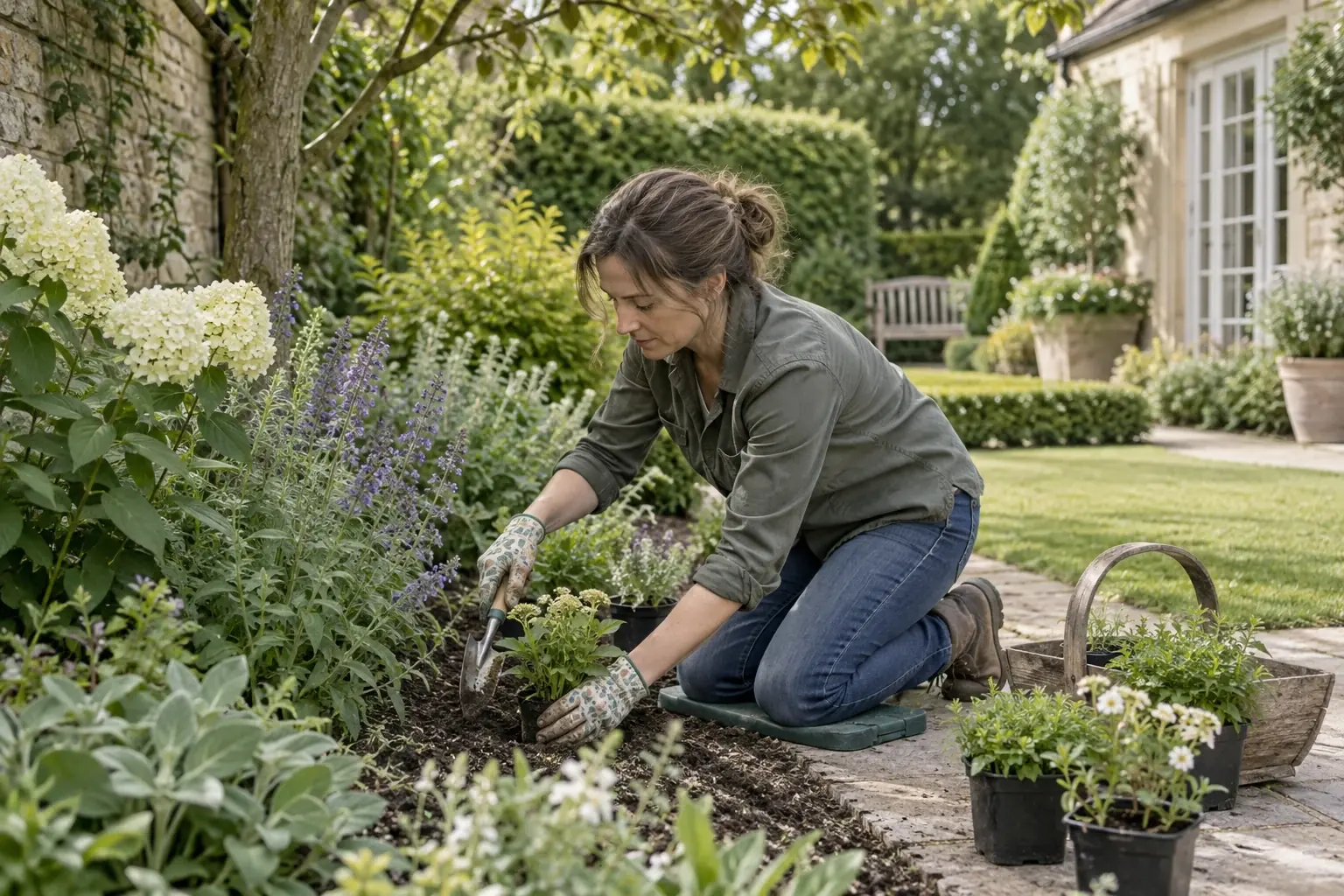
Different shrubs and perennials respond differently to pruning and division. Flowering habit, plant condition and the time of year influence what is appropriate. An instruction to cut everything down can remove the growth you wanted to enjoy or leave a plant with an unsuitable framework.
If you do not know a plant’s name, show it clearly and describe what you would like to achieve. Ask which work is appropriate now and what should wait. Gardening is not a reason to promise that every neglected plant will recover or that one visit can reverse a long period of unsuitable conditions.
Hedges and boundaries
Hedge work needs a clear outline of the intended height, width and treatment of arisings. A light trim is different from a major reduction, and some plants do not respond well to cutting into old bare growth. Confirm the species or seek identification before assuming a hedge can be made substantially smaller in a single operation.
Access to both sides, ownership and active nests can constrain the work. A shared boundary does not automatically grant permission to enter neighbouring land. If a hedge contains protected trees or has another relevant restriction, that also needs checking. Substantial tree operations should be discussed as tree pruning, rather than folded into a routine gardening appointment.
Lawn and border expectations
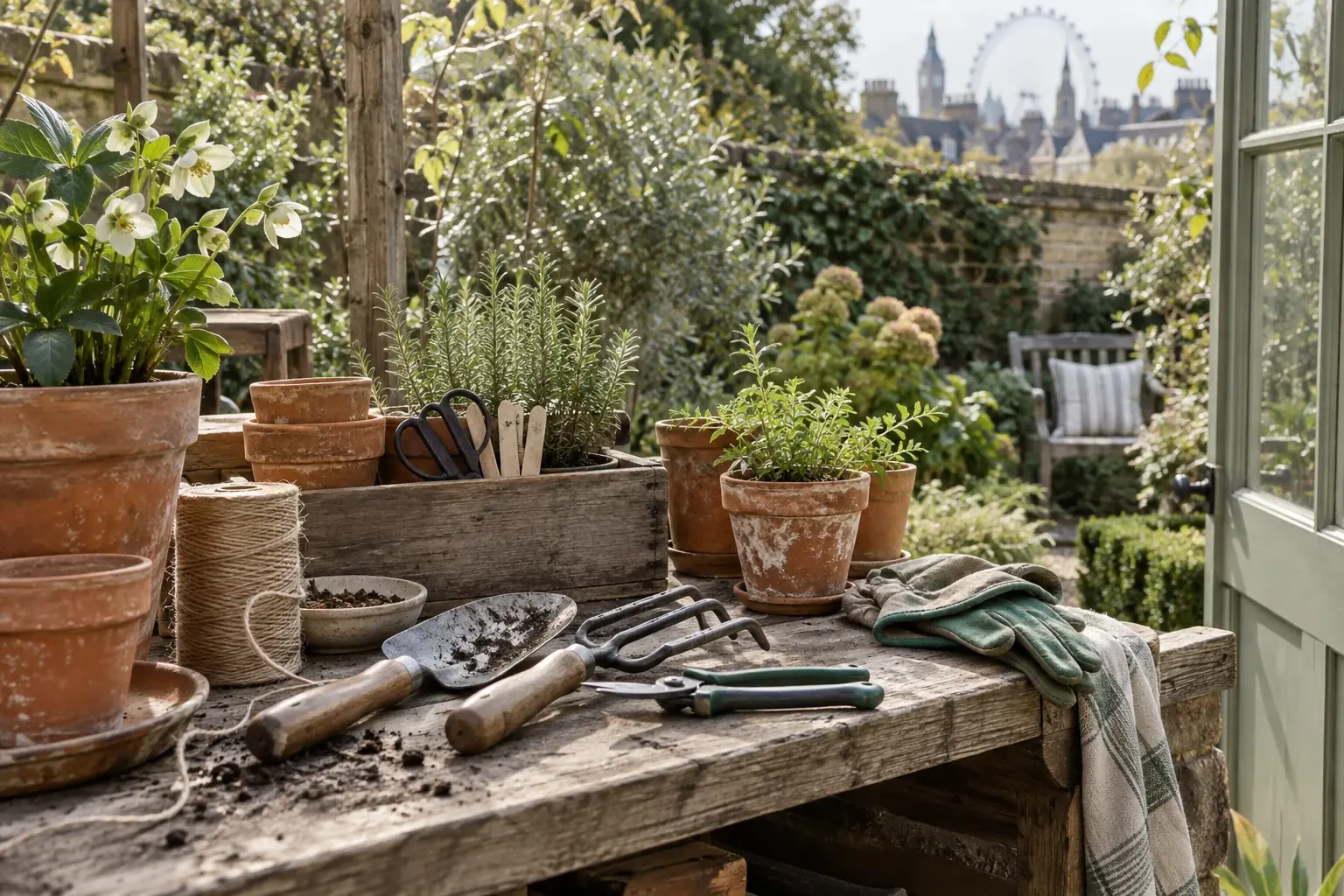
A maintenance visit can improve the order of a space, but it cannot instantly create a uniform lawn where drainage, shade or compaction are unresolved. Describe bare patches, persistent wet areas or heavy use so the work can be considered in context. Any treatment or renovation should be agreed, not assumed to accompany ordinary mowing.
For borders, distinguish unwanted growth from plants you wish to keep. Labels, photographs or a short walk-through can prevent misunderstandings where desirable self-seeded plants sit beside weeds. If materials such as mulch, compost or replacement plants are needed, establish who supplies them and whether their cost is included.
Working around established trees
Garden maintenance should respect the ground around retained trees. Avoid treating the root area as an unrestricted place for digging, storing heavy material or raising soil levels. Mention known tree concerns and recent building work when planning changes to beds or surfaces.
Tree care is relevant where the issue concerns the condition or management of a tree rather than ordinary border upkeep. A gardener should not be expected to diagnose every structural problem or carry out large aerial work simply because the tree is part of the garden. Matching the job to the right scope protects the usefulness of both services.
A one-off visit or an ongoing arrangement?
A one-off appointment should have an achievable outcome. An ongoing arrangement benefits from agreed priorities that respond to growth and seasons. Neither requires the same tasks to be repeated regardless of conditions. Ask how future visits will be discussed and who can approve additional work.
Weather and ground conditions can influence what is sensible on a particular day. Wet soil, for example, may make some operations inappropriate even when other maintenance can proceed. The booking should allow for practical judgement rather than an expectation that every item on a calendar list must be completed in unsuitable circumstances.
Access, waste and preparation
Tell the provider how tools and materials reach the garden, whether there is a water supply if required, and where vehicles may stop. Mention shared entrances, resident access and pets. Clear personal items from areas to be worked on, but do not disturb unknown plants or materials simply to make the garden look more prepared.
Agree what will happen to cuttings, leaves and other green waste. Composting suitable material on site may be an option, but a full compost area cannot accept unlimited new arisings. Removal, bagging and moving material to another part of the property should be specified. Non-garden rubbish needs a separate discussion rather than being mixed into the green-waste expectation.

Choose the right garden brief
| Your aim | Suitable discussion | Clarify before booking |
|---|---|---|
| Keep an established garden manageable | Routine or seasonal maintenance | Priority tasks and visit scope |
| Recover an overgrown plot | A separate clearance stage | What must be retained |
| Change surfaces or layout | Landscaping project | Design, materials and preparation |
| Manage a large tree | Specific tree-work enquiry | Competence, access and permission |
Cost and the point where maintenance becomes a project
Price depends on the tasks, condition, visit duration, equipment and waste handling. Materials and specialist operations may be separate. Ask whether the quotation is for a time allocation or a defined outcome, and what happens if the initial condition differs from the description supplied.
If the real aim is new levels, surfaces, planting layouts or a different way of using the garden, landscaping is the more useful conversation. Maintenance looks after the existing arrangement; a redesign changes it. Clear expectations make it easier to choose a sensible first step and avoid paying for repeated tidying where a larger decision is still unresolved.
USEFUL ANSWERS
Questions about this service
Can I book a single garden visit?
A one-off enquiry can be discussed, but the work needs an achievable scope. Describe the condition and priorities so the provider can distinguish a maintenance visit from a larger clearance. Availability, duration and the intended outcome should be confirmed before booking.
Does gardening include heavy tree work?
Do not assume so. Large-tree pruning, climbing and removals require a separately appropriate contractor and work plan. Mention the tree at the enquiry stage so it can be assessed as the correct type of task rather than added to ordinary border maintenance.
Can a hedge be reduced to any height I choose?
The plant’s species, condition and growth habit can limit what is appropriate. Ownership, access and wildlife checks also matter. Explain the desired change and ask about a realistic outcome instead of treating a substantial reduction as a routine trim.
Should I supply tools and materials?
Confirm that with the provider. Planting materials, mulch, compost and specialist treatments may be outside a basic maintenance quotation. If you already have materials, describe them and agree whether they are suitable for the intended tasks.
What if I cannot identify the plants to keep?
Point them out using photographs or a walk-through before work starts. A densely planted or overgrown border can contain both wanted and unwanted growth. Clear instructions are more useful than a general request to remove anything that looks untidy.
Will regular visits remove the need for future decisions?
No. Plant growth, weather and the way you use the garden can change priorities. An ongoing arrangement should allow those decisions to be reviewed, rather than repeat the same work even when it no longer addresses the garden’s needs.
A CLEAR NEXT STEP
Tell us about the work
List the beds, lawn and routine tasks you want maintained, including features that should remain untouched. Agree the visit scope, waste arrangements and responsibility for watering or other work between appointments.