LONDON TREE CARE / Highbury
Tree Surgery Highbury
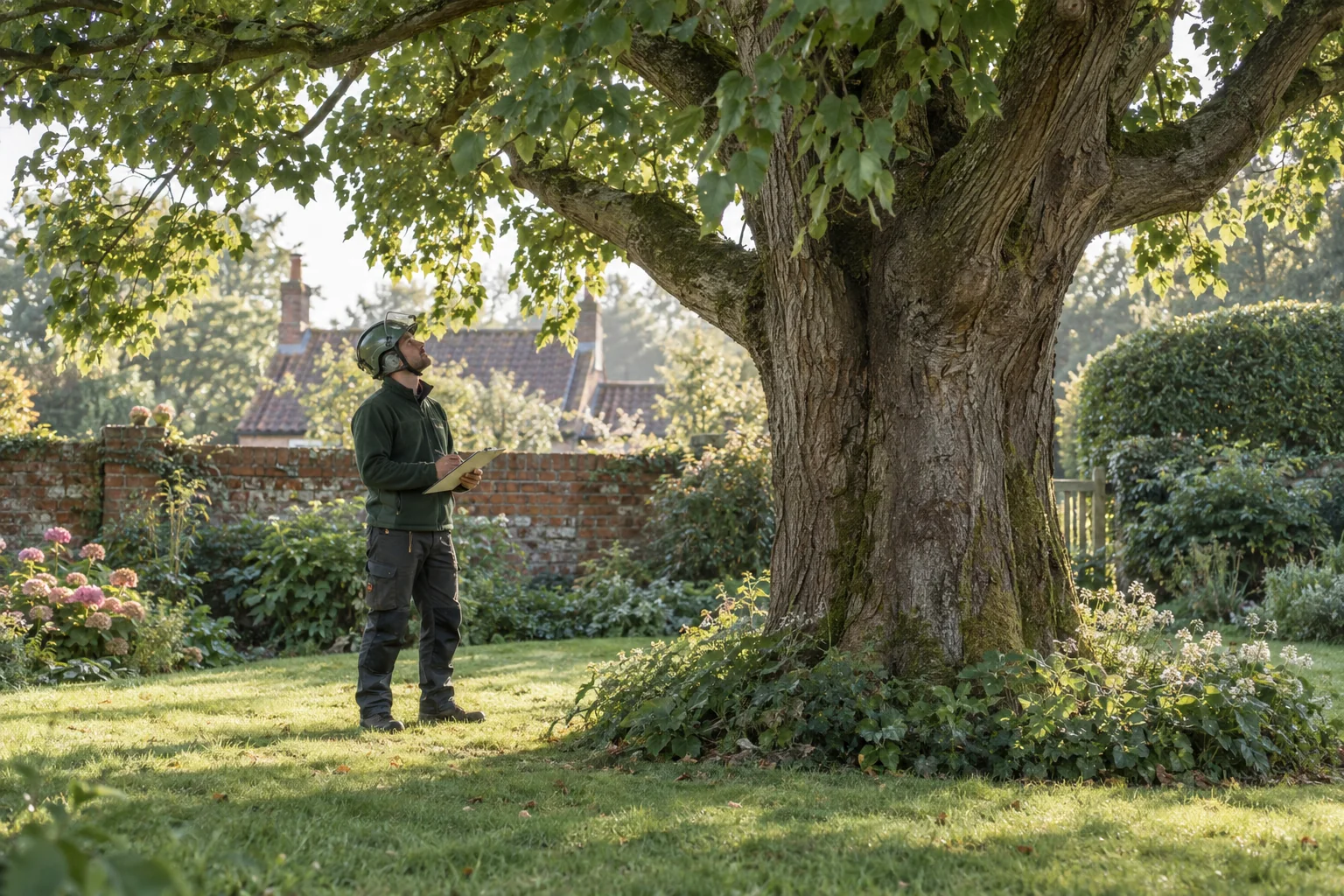
A fruit or ornamental tree in Highbury may need a different discussion from a large canopy tree. Flowering, fruit production, branch structure and the owner’s use of the garden can all influence the aim of pruning. Identify the tree as accurately as possible and explain its history. Tree Surgery London takes Highbury enquiries and can discuss suitable next steps. The operation should respond to the species and condition; a familiar shape seen on another tree is not automatically an appropriate target.
- A useful crown rather than an indiscriminate trim
- Matching pruning decisions to species and purpose
- Practical preparation for a fruit or ornamental tree with an increasingly congested crown
Home / London coverage / Highbury
Describe whether the concern is rubbing growth, crowded branches, low limbs or a general increase in size. These observations help distinguish selective pruning from a broader reduction. Timing can also matter, so ask what season is suitable for the identified tree and intended operation. Avoid assuming that all pruning belongs in winter or that a single calendar rule applies to every species.
A previously neglected crown may not be best corrected in one heavy visit. Where a staged approach is proposed, ask what the first operation aims to achieve and what evidence will guide later work. Removing many branches at once may change growth behaviour without producing the balanced tree the owner imagined. A restrained specification can be a deliberate management choice rather than incomplete work.
Say what you value about the tree
Flowers, fruit, shade and an ornamental outline can pull a pruning brief in different directions. Tell the arborist which features matter most and whether the tree has responded strongly or poorly to earlier cutting. A recommendation based on those aims is more informative than copying a shape seen in another garden with a different species and management history.
The pruning overview explains the general operations, while timing and suitable cuts still need advice for the particular specimen. Photographs from leaf, flower or fruit seasons may help establish the history. Do not rely on a generic calendar date to decide what a tree should tolerate.
Distinguish congestion from a health concern
Crowded or rubbing growth may lead to a discussion about selective cuts. Sparse foliage, dieback or another unexplained symptom raises a different question about condition. Use the tree care guide to prepare that enquiry, and avoid making extra cuts simply because they seem a convenient treatment for something not yet understood.
If the crown has been neglected, ask whether correction should be staged. A first operation can have a defined purpose without promising to produce an ideal outline immediately. Discuss what later growth will tell the professional and whether another visit is actually needed, rather than assuming a fixed cycle of heavy pruning.
Preparing for the visit in Highbury
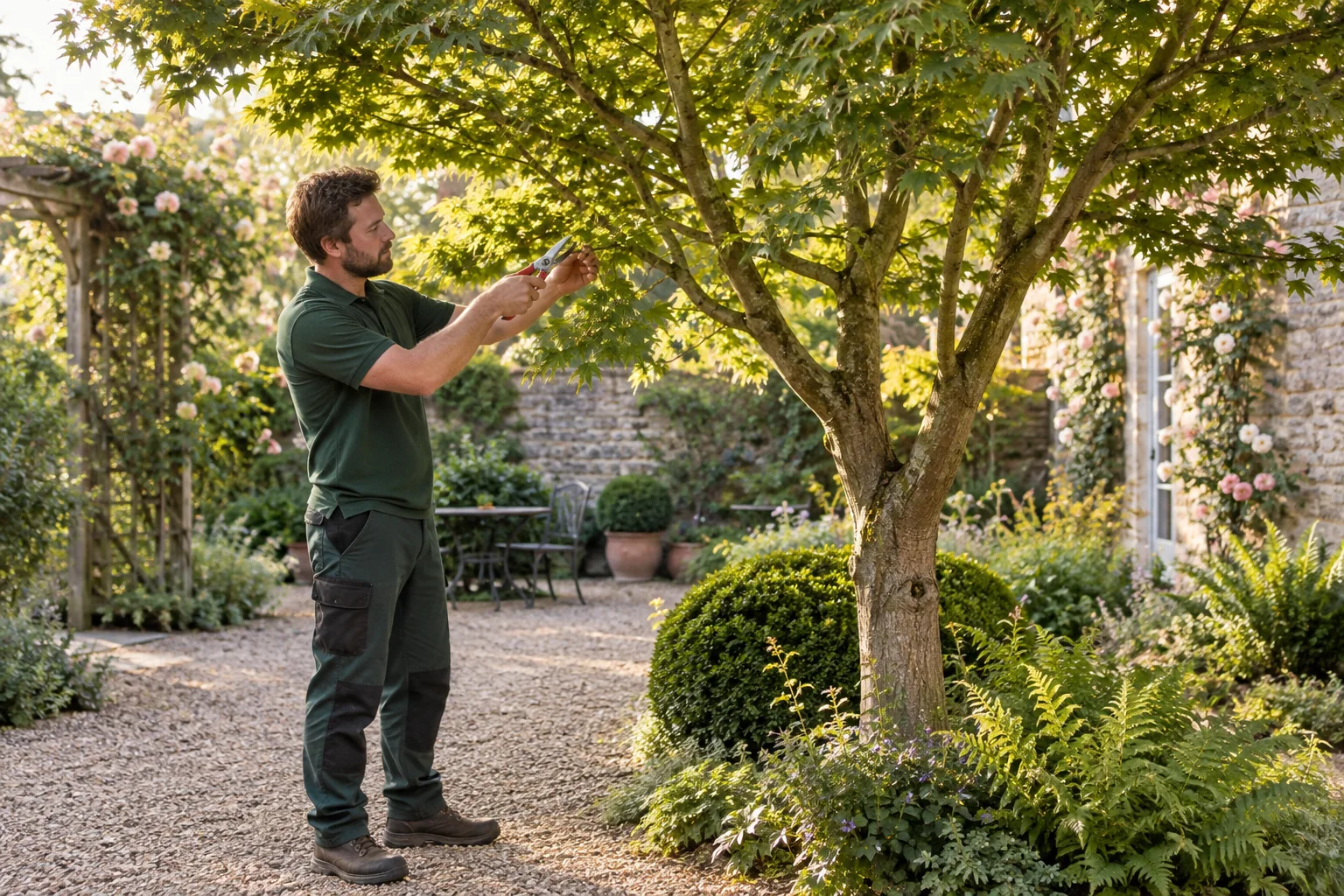
Gather photographs from leaf and flowering seasons if available, and explain whether fruit or flowers are priorities. Note any treatment, disease advice or major pruning from previous years. Ask how the recommended work affects the features for which you value the tree.
Keep the practical specification proportionate
Even a smaller tree needs access, space for handling branches and protection for what surrounds it. Photograph nearby beds, glass and fences along with the whole tree. Ask for the quote to describe both the intended crown change and clearance, including whether any useful wood is to remain in the garden.
If removal is discussed, compare the reasons with the value you place on retaining the specimen. Clarify the stump and the intended replacement or use of the ground. A declining ornamental tree, an inconvenient branch and a preference for a different planting scheme should not be treated as identical decisions.

| Decision to make | Information to provide | What to clarify |
|---|---|---|
| A useful crown rather than an indiscriminate trim | Views of a fruit or ornamental tree with an increasingly congested crown and the feature that prompted the enquiry | The intended result and the limits of the recommended operation |
| Pruning or removal | Tree condition, previous work and the reason for the request | How the recommendation addresses matching pruning decisions to species and purpose |
| Work method and access | Gate measurements, route photographs and fixed obstacles | Equipment, handling arrangements and protection included in the scope |
| Permission position | Exact property address, tree reference and any existing records | Who confirms the applicable requirements before work proceeds |
| Completion and follow-up | Whether timber stays and what use follows the operation | Clearance, remaining ground work and any recommended review |

Plan the operation around the identified specimen
Confirm the tree’s identity as far as possible and resolve the protection position for the actual property and specimen. Agree who handles any required authority procedure and retain the response with the proposed cuts. A tree’s ornamental or fruiting purpose does not by itself answer those checks. Timing should also be considered against species, condition and the intended operation, with wildlife observations passed to the contractor. Leave room for appropriate advice rather than treating a preferred pruning season as a guarantee that the work can proceed unchanged.
A useful quotation explains the first operation and any proposed later stage, together with access and clearance. Ask whether a future visit is a firm part of the plan or dependent on the tree’s response. Compare that scope rather than assuming the greatest immediate transformation is the best value. Keep photographs from relevant seasons and the completed work description. A simple history can explain whether the tree responded as intended, helping future advice retain the qualities you value instead of applying an automatic cycle of cuts without reviewing their purpose.
Discuss the next step for your Highbury property
Start with the Highbury enquiry information and explain the result you want, the tree concern and the access available. For a useful crown rather than an indiscriminate trim, the Tree Surgery London homepage gives the wider introduction to the service. For an address outside Highbury, the guides for Islington and Hackney provide related local enquiry routes; use the actual property address when arranging attendance.
Availability, the final operation and the quotation should be confirmed for the individual Highbury property, with matching pruning decisions to species and purpose explained before the work date is agreed.
Local permission checks for Highbury
Highbury sits within Islington's tree-planning framework, where conservation-area status and individual Tree Preservation Orders are separate matters to check. The council's map is useful for locating a record, but the enquiry should still identify the exact tree and the property where its trunk stands. If the concern is an overhanging branch, show the boundary and the branch together so the owner and arborist can discuss a realistic specification.
Shared access needs an explicit agreement even when the cutting is modest. Explain whether equipment, workers or removed branches would pass through another garden, and who can authorise that route. Permission to prune a protected tree does not resolve those private arrangements. An initial visit can assess how the objective might be met without unnecessary loss of canopy and whether the proposed route is practical. Keep notes of the concern, the agreed operation and any council reference together; that is more reliable than asking a contractor to recreate an informal conversation on the day.
Questions about tree work in Highbury
Is fruit-tree pruning the same as reducing a large shade tree?
The purpose and appropriate cuts can differ with species, growth and fruiting aims. Identify the tree and explain what matters to you, rather than requesting the same operation because another garden tree was reduced.
When should my ornamental tree be pruned?
Ask for timing advice on the identified species and proposed work. Flowering, condition and the intended cuts can affect the recommendation, so a generic winter-pruning rule is not enough to choose the date.
Can a congested crown be corrected in one heavy cut?
A staged approach may be more suitable, depending on the assessment. Ask what the first intervention would achieve and how later growth would guide further decisions instead of treating maximum immediate removal as the goal.
What should I record about a Highbury fruit tree?
Note previous pruning, changes in vigour and whether fruit or flowering is the priority. Photographs from different seasons can help explain the tree’s response and the features you hope to retain.
Are rubbing branches always a reason for full reduction?
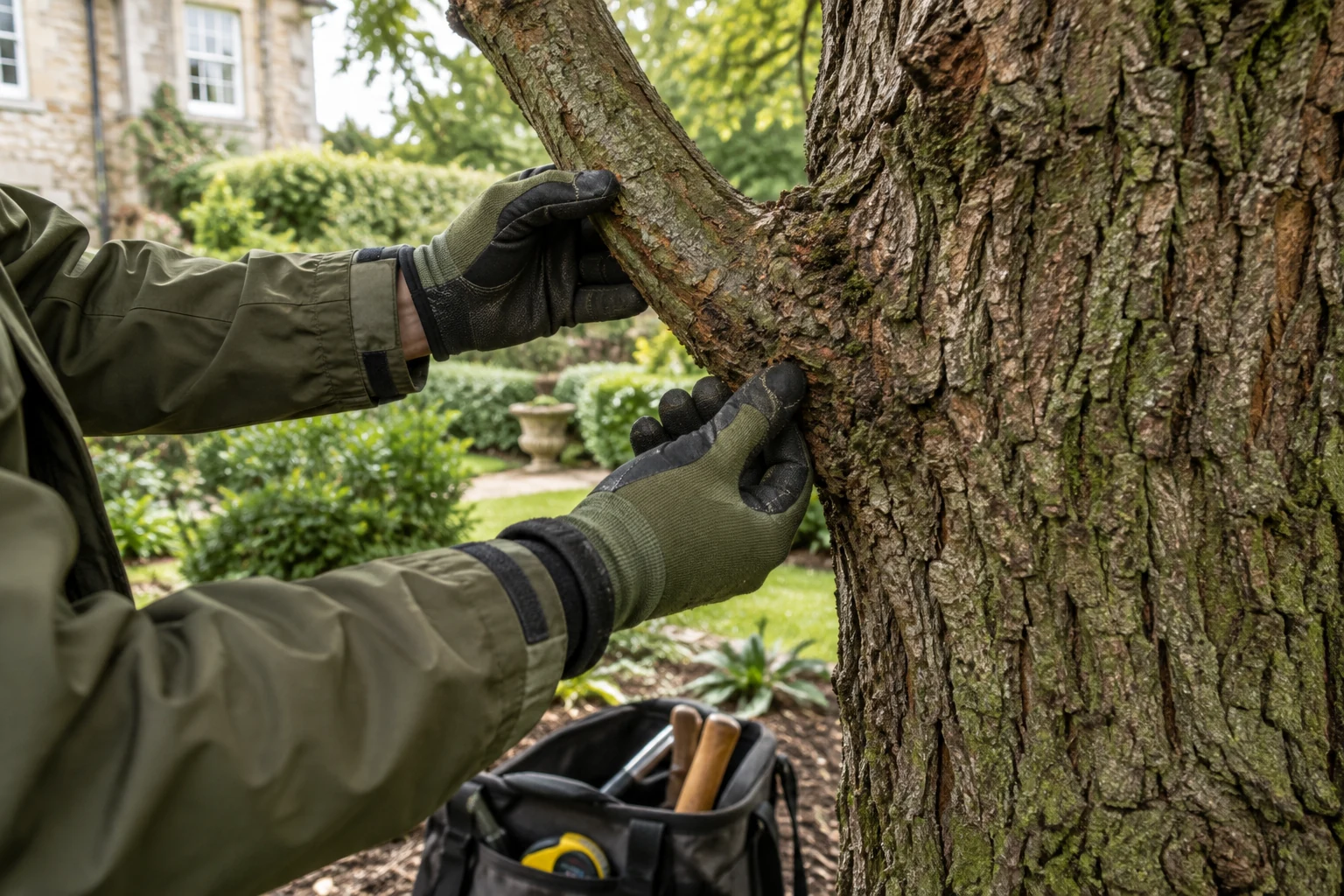
They can prompt a more targeted discussion about branch selection. The arborist should inspect their position and the wider crown before recommending the scope, rather than assuming a single concern requires reshaping everything.
Can I ask for a perfectly symmetrical crown?
A visual preference should be tested against the tree’s existing structure and suitable pruning points. Ask what balanced, sustainable result is realistic; symmetry alone is not a sound reason for large or unnecessary cuts.
Should future flowering or fruiting be guaranteed in a pruning quote?
The quote should describe the operation and its purpose rather than guarantee a biological outcome. Weather, condition and growth response remain relevant. Discuss likely implications with the arborist, retain photographs from the appropriate seasons and use that evidence to inform later management instead of assuming every result follows from cutting alone.