LONDON TREE CARE / Islington
Tree Surgery Islington
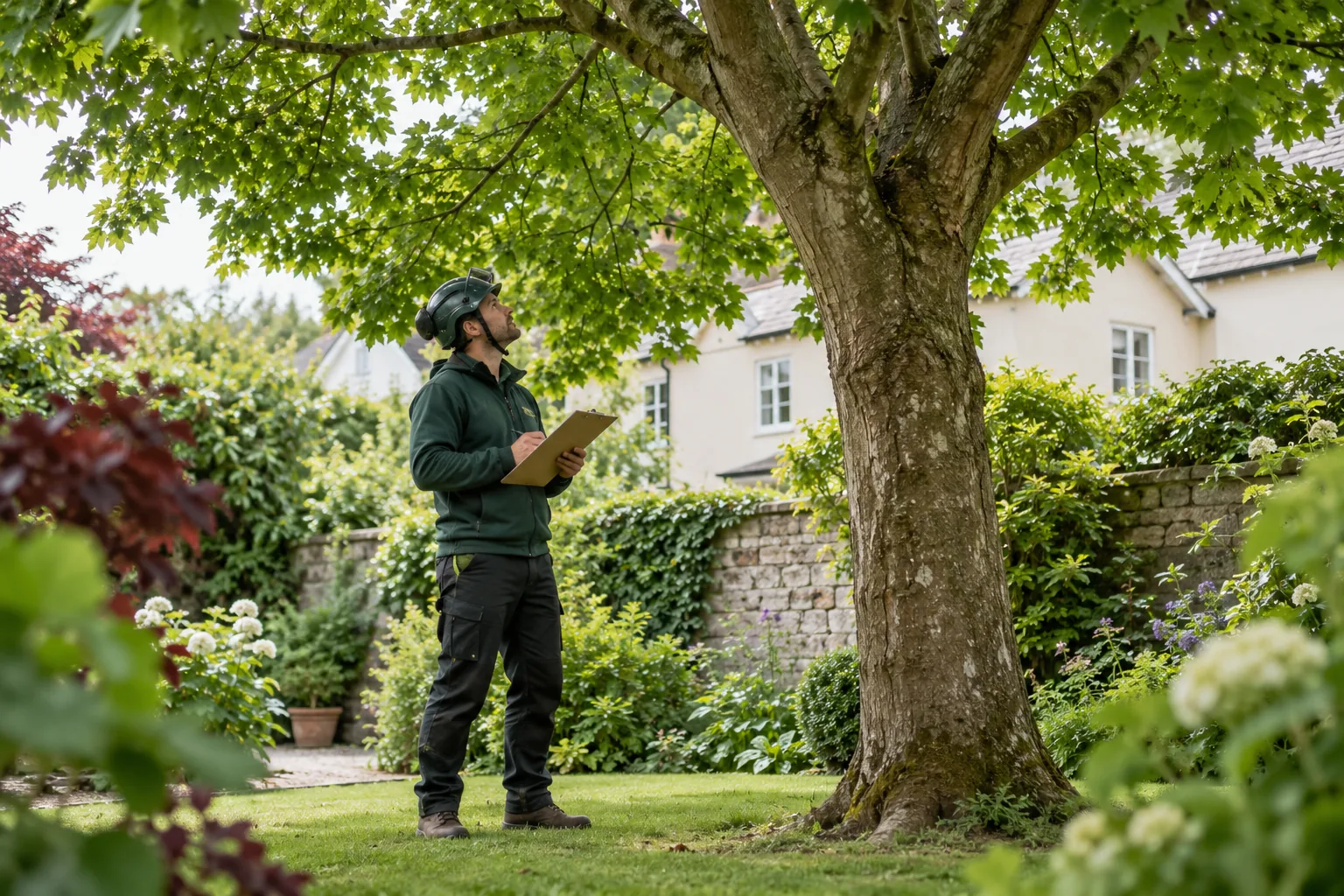
A rented garden in Islington can place tree observations and decision-making in different hands. The occupier may notice a new defect, while the owner or managing agent authorises work. Put the relevant information together before arranging attendance. Tree Surgery London accepts Islington enquiries and can discuss what is needed for the proposed visit. A clear record of the tree, the concern and the person approving the job helps prevent maintenance requests being lost or an operation being commissioned without the right authority.
- An agreed brief between property owner and occupier
- Confirming authority and keeping instructions consistent
- Practical preparation for a tree in a rented garden with owner and occupier involvement
Home / London coverage / Islington
An occupier can help by describing the change rather than selecting a diagnosis or promising a particular remedy. The owner can supply maintenance history, earlier reports and any known protection information. If an agent is coordinating the work, agree who receives advice and who can authorise changes. Those responsibilities should be clear before a crew encounters something that alters the original specification.
Separate routine clearance from a concern about an unstable branch or a damaged stem. They may require different urgency and a different type of assessment. Written communication should identify the exact tree and the location of the feature, especially where a property contains several specimens. A photograph with a simple reference can be more useful than a long exchange referring only to the big tree.
Put the owner and occupier information together
Ask the occupier for dated photographs and a description of the feature, then add the owner’s records and previous work history. Identify the exact tree on both sets of information. This is particularly important where a managing agent handles several properties and cannot reliably infer which specimen a message about the back-garden tree refers to.
A condition assessment and a maintenance quotation can serve different purposes. State which one is needed, including any requirement for a written output. If a new defect has prompted the enquiry, do not let an older routine-pruning instruction stand in for consideration of the changed condition.
Agree a scope everyone can recognise
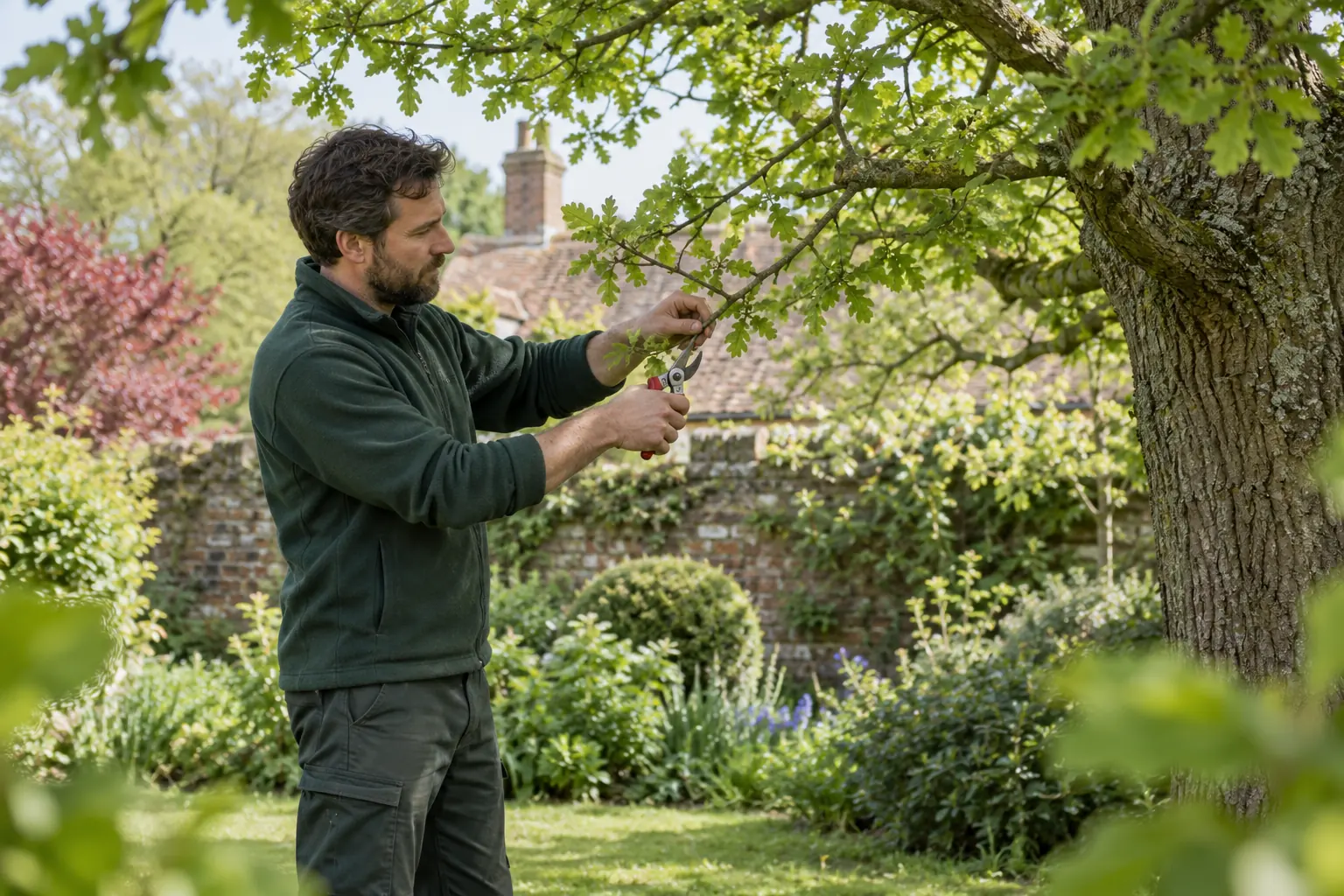
The accepted work description should identify the outcome as well as the tree. Read the pruning service guidance to distinguish clearance from a broader reduction. If the owner approves one operation and the occupier expects another, resolve the difference before the crew arrives rather than treating the visit as an opportunity to renegotiate cutting on site.
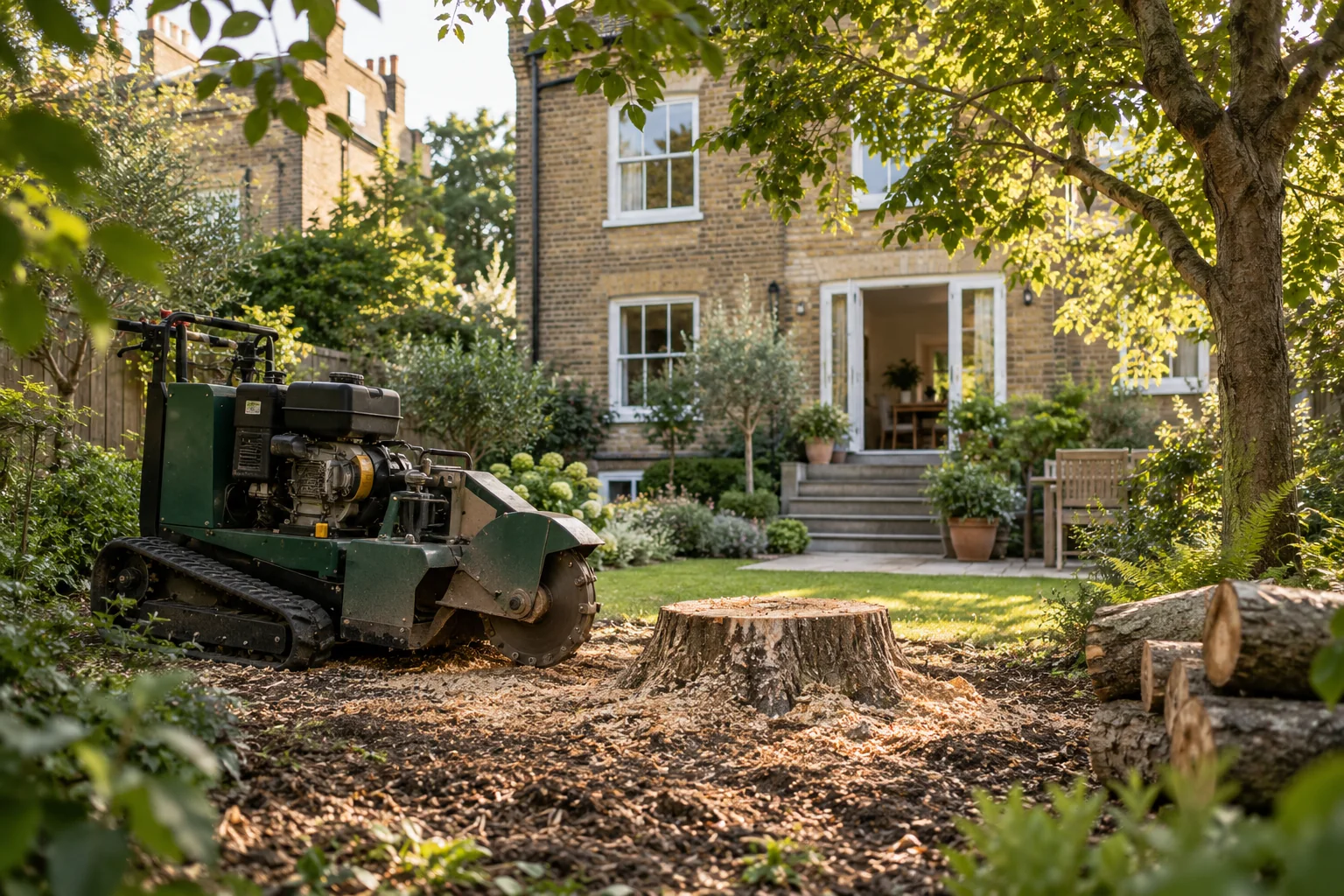
Where tree removal is authorised, include what happens to timber and the stump. The occupier needs to understand the working restrictions, while the approving contact needs the full scope and any follow-on responsibilities. Passing only a date between them leaves important practical questions unanswered.
Preparing for the visit in Islington
Provide the approving contact and the access contact even if they are different people. Confirm arrangements with the occupier and explain any areas they will need to avoid. Keep the accepted quotation and any inspection notes with the property maintenance records for future reference.
Make the preliminary checks a named responsibility
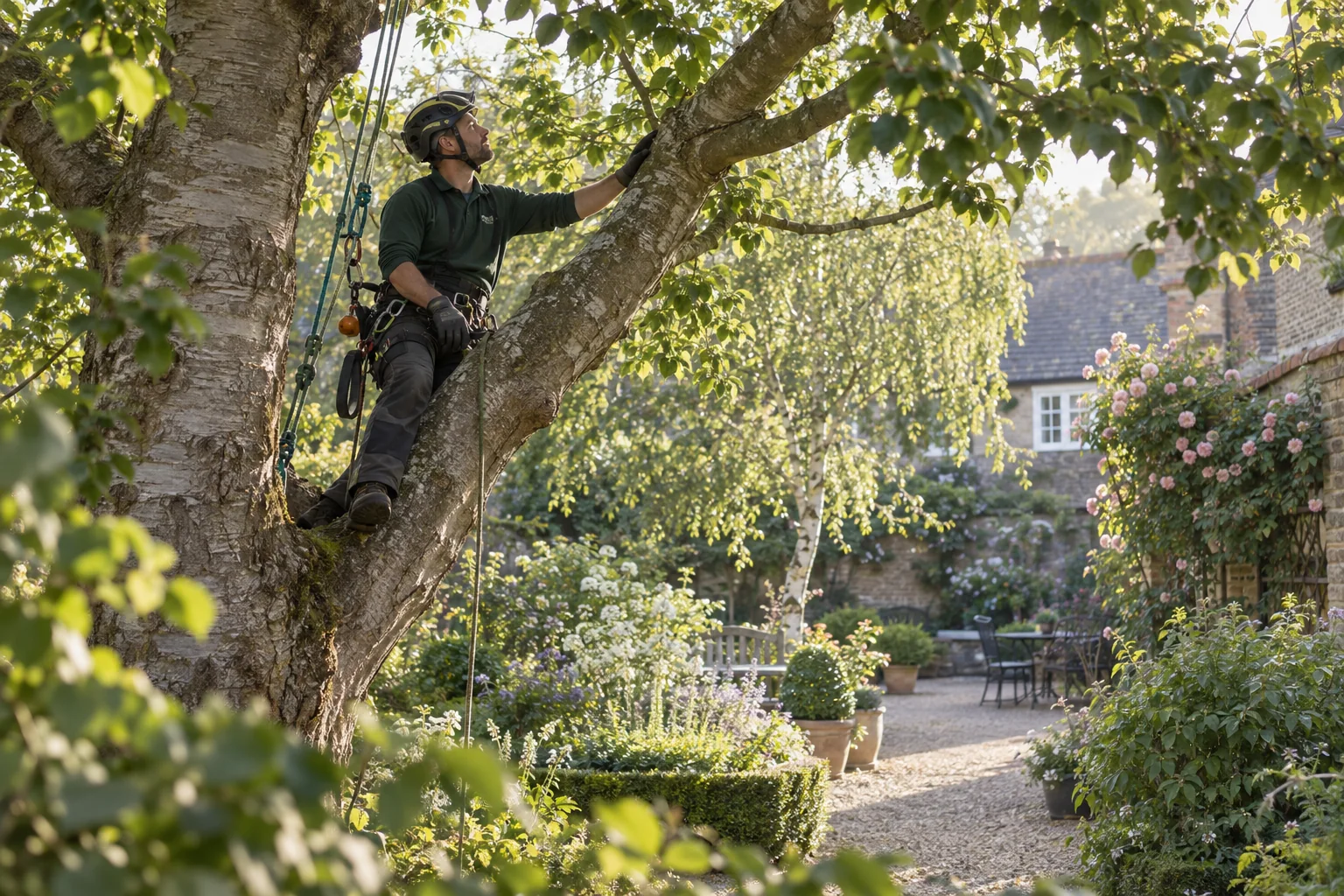
The owner or managing contact should agree who establishes the relevant authority and the tree’s protection position for the full address. Keep the relevant written response with the approved operation. An occupier’s permission to enter the garden does not settle authority for the cuts or any statutory process. If the recommendation changes, the approving contact needs to review the updated scope before work proceeds. Relevant wildlife observations from the occupier can be passed to the contractor, who should consider their implications for timing and method.
Check that the quotation includes the agreed access, protection and clearance arrangements, and separates any reporting or stump work where applicable. The owner should understand the practical scope, while the occupier should know what preparation and restrictions have been agreed. Do not let a low total depend on access that the occupier cannot provide. After attendance, send the final description and relevant advice to the property record holder. Clear responsibility for follow-up matters as much as storing the document, especially where a future change will first be noticed by someone other than the owner.
Maintain a workable contact arrangement
Confirm who will admit the contractor and who can approve a change if the findings alter the plan. These contacts may have different roles and availability. Send access details early, including shared passages and any garden feature that must be protected. The contractor should not have to resolve a missing authority through informal instructions from a neighbour.
After the work, retain the final description, photographs and relevant review advice with the property records. Make clear who will act on any future recommendation. A change of occupier or managing agent should not erase the tree history or leave the next person assuming that an earlier visit settled every later maintenance question.
Discuss the next step for your Islington property
Start with the Islington enquiry information and explain the result you want, the tree concern and the access available. For an agreed brief between property owner and occupier, the Tree Surgery London homepage gives the wider introduction to the service. For an address outside Islington, the guides for Highbury and Camden provide related local enquiry routes; use the actual property address when arranging attendance.
Availability, the final operation and the quotation should be confirmed for the individual Islington property, with confirming authority and keeping instructions consistent explained before the work date is agreed.
| Decision to make | Information to provide | What to clarify |
|---|---|---|
| An agreed brief between property owner and occupier | Views of a tree in a rented garden with owner and occupier involvement and the feature that prompted the enquiry | The intended result and the limits of the recommended operation |
| Pruning or removal | Tree condition, previous work and the reason for the request | How the recommendation addresses confirming authority and keeping instructions consistent |
| Work method and access | Gate measurements, route photographs and fixed obstacles | Equipment, handling arrangements and protection included in the scope |
| Permission position | Exact property address, tree reference and any existing records | Who confirms the applicable requirements before work proceeds |
| Completion and follow-up | Whether timber stays and what use follows the operation | Clearance, remaining ground work and any recommended review |
Local permission checks for Islington
Islington's interactive map can show a protected tree's TPO reference and associated documentation. Use that reference when discussing the work, rather than relying only on a description such as the large tree behind the house. The council asks for reasons for the proposed operation and a contact for access. Providing those details at the outset helps an application correspond to an identifiable tree and a site that can be assessed.
There is a separate question about who owns the tree and who may commission work. A branch extending into a garden does not necessarily belong to that garden's owner, and protection still needs to be considered before boundary pruning. Mark the trunk position on a sketch and discuss the intended scope with the relevant owner. Ask the arborist to explain the amount and location of proposed cutting, including what canopy will remain. Record any agreement about handling branches or entering neighbouring land alongside the quotation, keeping private access arrangements distinct from the council decision.
Questions about tree work in Islington
Can an occupier report a tree concern directly?
An occupier can provide observations and arrange communication, while authority for work must be clear. Give both the access contact and the owner or agent able to approve the proposed operation.
How should I describe a concern to the landlord?
Identify the tree and exact feature, note when it appeared and attach safe photographs. This is more actionable than an undated message saying the garden tree looks dangerous without locating the issue.
Who keeps the records for a rented garden?
Agree a responsible owner or managing contact and retain the specification and relevant advice there. Useful history should not depend on an outgoing occupier remembering to pass on informal conversations.
Can routine pruning wait alongside a new damage report?
Separate the two concerns and seek appropriate guidance on the new event. An existing maintenance schedule should not obscure a changed condition, and the response needs to be assessed rather than assumed from the diary.
What if the owner cannot attend the Islington visit?
Provide an authorised contact arrangement and ensure access instructions are agreed with the occupier. The person admitting the crew should know which scope has been approved and how to refer a proposed change.
Does an occupier’s preferred tree shape decide the work?
Preferences can inform the brief, but the owner’s authority, the tree assessment and any protection requirements remain relevant. Ask for a sustainable operation whose purpose is understood by the people involved before cutting starts.
What should happen when the tenancy changes after tree work?
Keep the relevant history with the owner or managing party and pass practical information to the incoming occupier where needed. That may include access arrangements or observations to report. The maintenance record should remain available even when the person who first noticed the concern no longer lives at the property.