LONDON TREE CARE / Ealing
Tree Surgery Ealing
A garden with several trees in Ealing does not need a single prescription applied to every crown. One tree may require a closer inspection, another may benefit from selective pruning and a third may need no work at present. Gather the history of each before arranging a visit. Tree Surgery London welcomes Ealing enquiries for individual jobs and broader maintenance discussions.
- A staged maintenance plan with clear priorities
- Prioritising individual trees instead of treating them alike
- Practical preparation for several garden trees with different maintenance histories
Home / London coverage / Ealing
A useful plan identifies the reason for each recommendation, separates urgent concerns from optional improvements and avoids creating a cycle of unnecessary cutting.
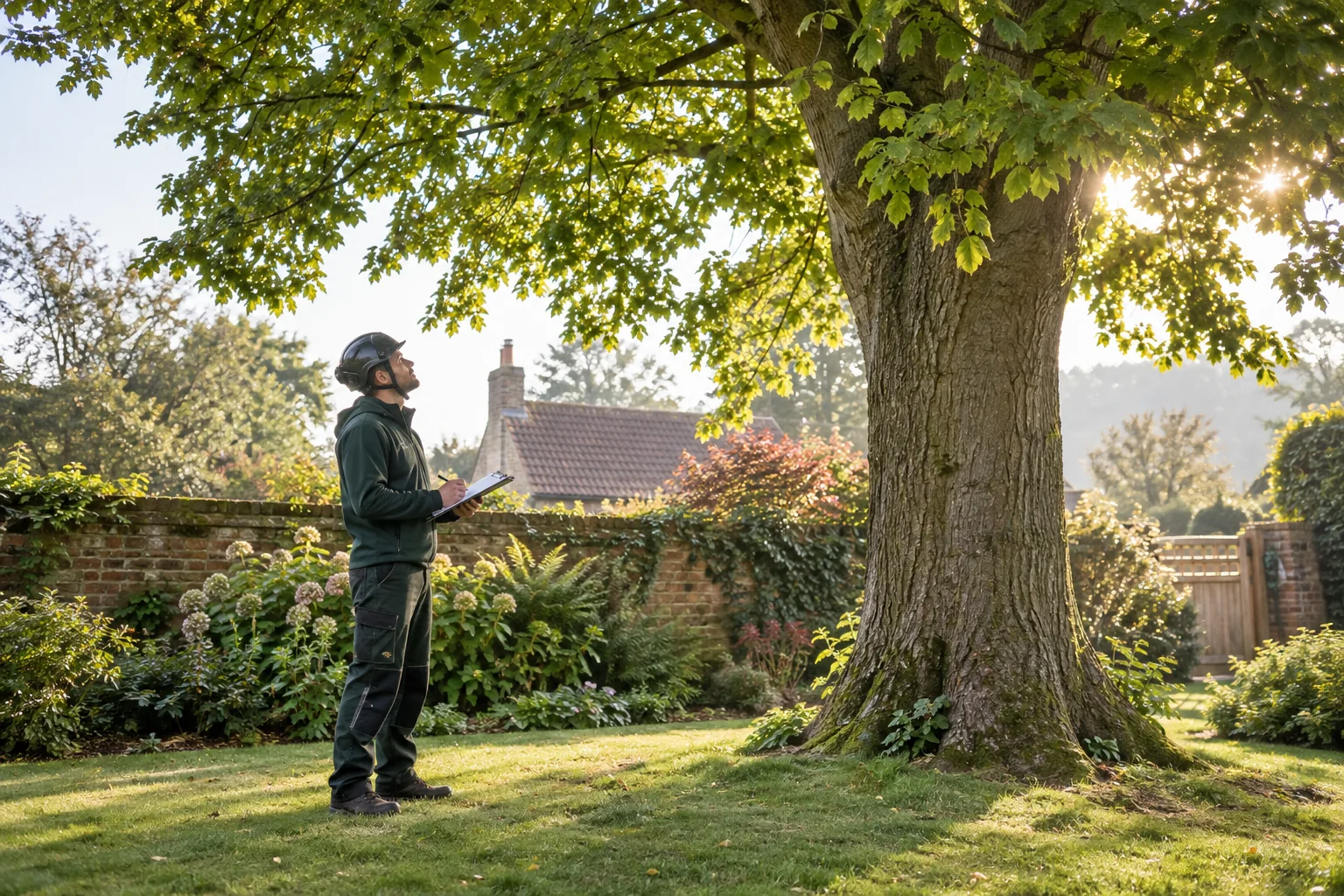
Give each tree a simple reference such as the apple beside the shed or the large tree at the rear boundary. Use the same reference on photographs, the quotation and any subsequent report. This prevents an instruction intended for one specimen being applied to another. A basic record can also show whether a previous treatment improved the original problem or merely changed the appearance.
Ask the arborist to prioritise findings rather than presenting every item as equally immediate. A staged plan might address an identifiable defect first and leave routine clearance for a separate visit, provided the condition supports that approach. Where repeated access and set-up would add cost, discuss the implications openly. Combining work can be efficient, but it is not a reason to cut a tree that does not need attention.
Create a small inventory before arranging the visit
A simple garden list can be enough to organise the first discussion. Give each tree a reference, attach a whole-tree photograph and note the concern or desired result. Include specimens for which you are unsure whether work is needed. This avoids the assumption that every tree on the property must receive the same treatment because a contractor is attending.
Use the tree care guidance for questions about condition and history. For each specimen, distinguish direct observations from earlier advice or personal preferences. A change in the garden can affect one tree differently from another, so records should remain attached to the individual reference rather than a general note about the site.
Keep each tree reference through the approval process
Protection information should relate to each relevant specimen and the proposed work, not merely to the property as a whole. Establish the applicable authority using the address, retain the records and agree who deals with any required procedure. Where a programme contains several operations, check that the final instruction accurately reflects what has been resolved for each tree. A change to one recommendation should not silently alter the others. Pass relevant wildlife observations to the contractor and allow their assessment to inform timing and method rather than selecting a date solely for convenience.
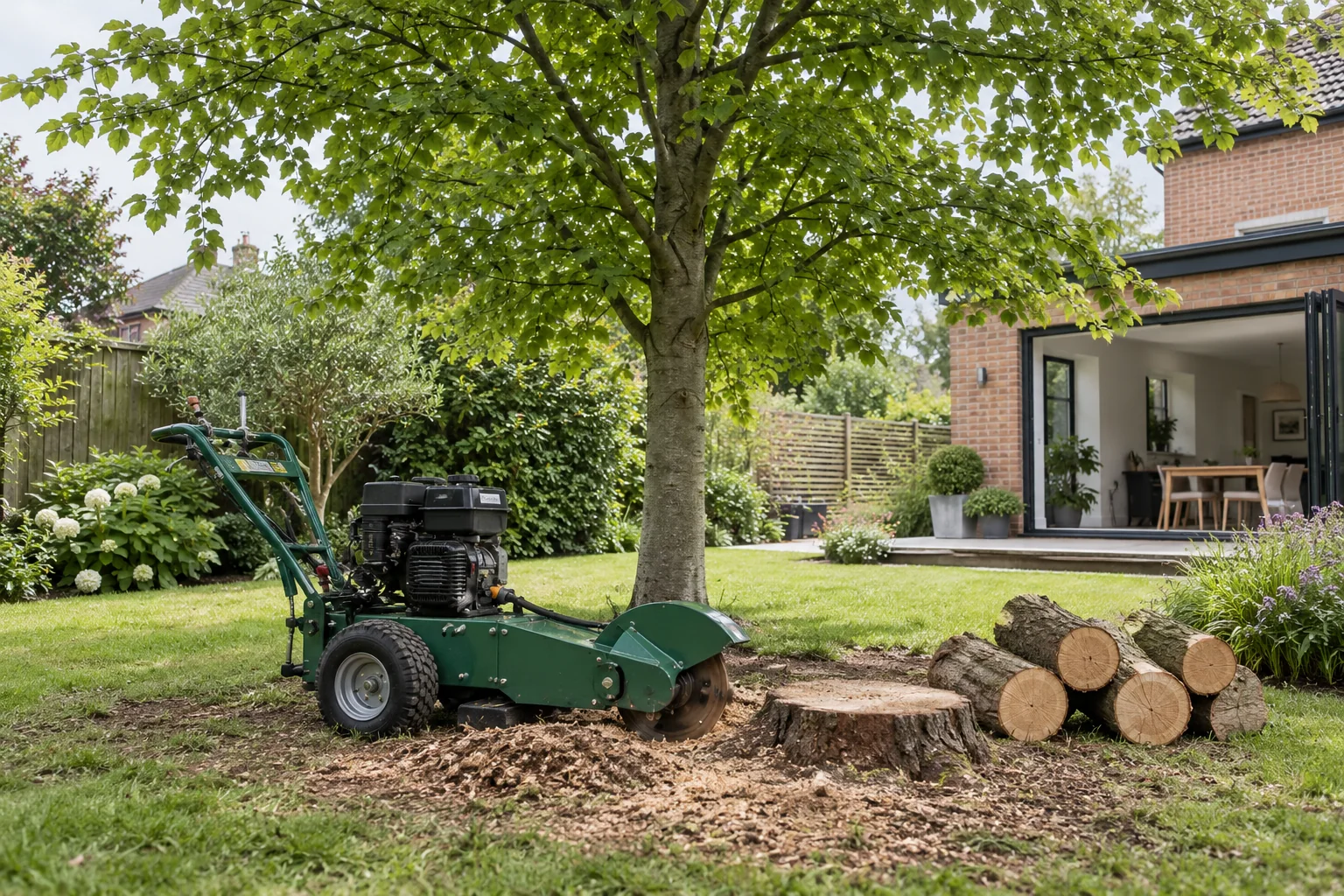
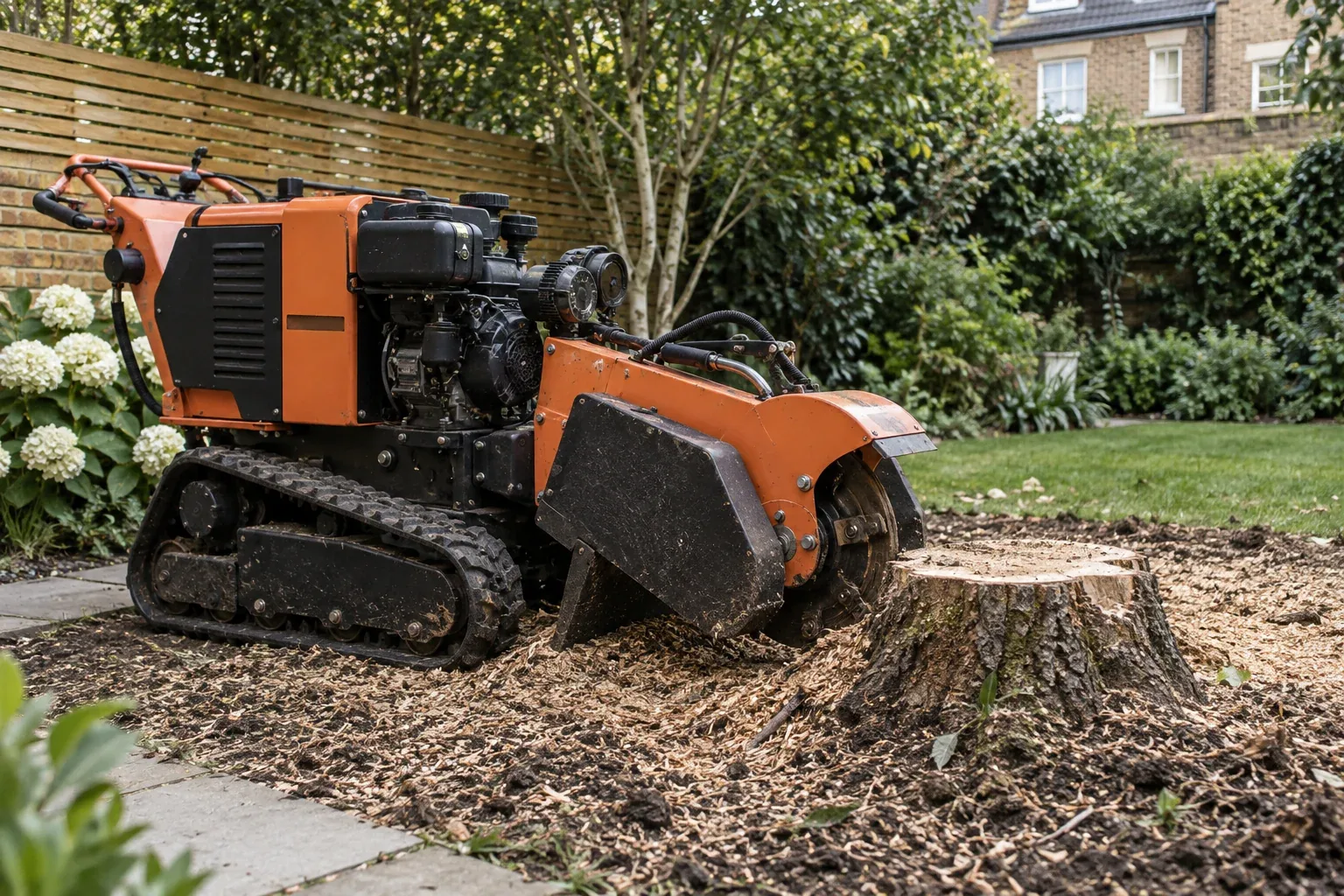
A programme quotation should let you see the scope and priorities without implying every item is equally pressing. Ask how access and set-up affect the options for combining justified operations or separating them over time. Clarify collection, retained timber and any stump work where relevant. Once work is completed, record it against the appropriate reference and keep any recommended review distinct from an automatic repeat booking. This makes later budgeting more informative: the next decision can consider the response of each tree and the continuing purpose of the work, rather than simply reproducing last year’s list.
Preparing for the visit in Ealing
Collect earlier invoices, photographs and any inspection notes. Mention trees that have changed noticeably since the last growing season. Decide which outcomes are essential and which are preferences, so the discussion can distinguish tree condition, household priorities and the available budget without confusing them.
Build the programme around reasons for intervention
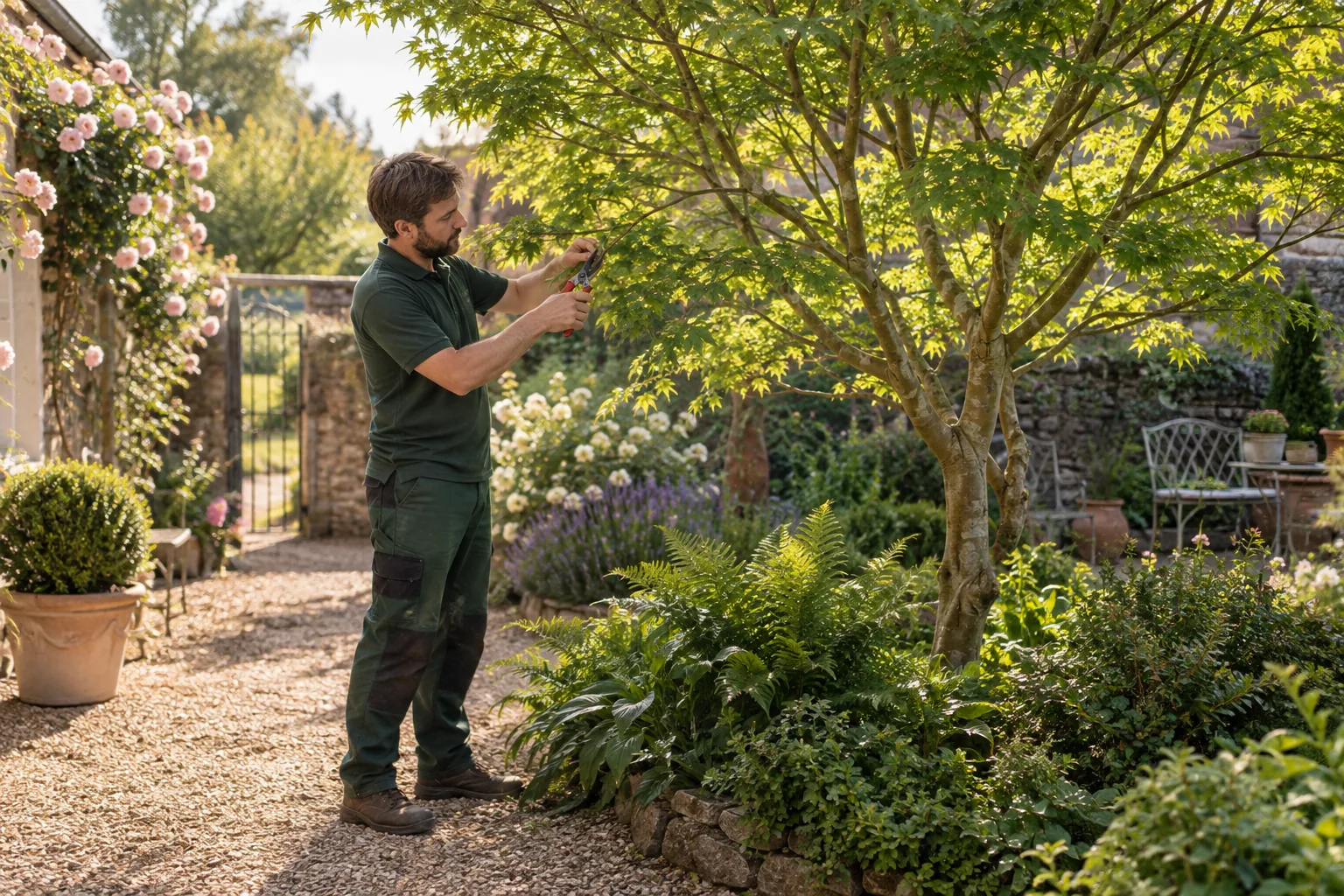
Ask the adviser to explain which findings drive the priorities. Functional clearance, a damaged branch and a wish for a more open appearance should not be merged into one undifferentiated list. The pruning service explanation can help you understand why different crowns may need different specifications or why no cut is advised on one of them.
If a tree is recommended for removal, record the reason and the full scope alongside it. Keeping that decision distinct from routine maintenance helps future owners or advisers understand what was done. It also makes it easier to review the programme if a finding changes before the work takes place.

Balance the work sequence with a practical budget
A staged programme can separate necessary work from improvements that remain optional, but the sequence should follow professional priorities rather than arbitrary savings. Discuss repeat set-up and access costs openly. Combining operations can be efficient where they are justified; it should not turn into a reason to remove healthy growth simply because equipment is already present.
Confirm who will hold the resulting records and how later observations will be added. A completion photograph with the tree reference is useful, as is a note explaining the purpose of any recommended review. Future advice can then assess the response to the work rather than start again with no reliable history.
On a visit covering several trees, ask how the working area will change as the operation moves between specimens. Household members need to know which part of the garden is currently closed and which agreed route remains available. Do not assume an area is safe to re-enter merely because cutting has paused at the first tree; wait for the contractor to confirm the current access arrangements.
Discuss the next step for your Ealing property
Start with the Ealing enquiry information and explain the result you want, the tree concern and the access available. For a staged maintenance plan with clear priorities, the Tree Surgery London homepage gives the wider introduction to the service. For an address outside Ealing, the guides for Acton and Chiswick provide related local enquiry routes; use the actual property address when arranging attendance.
Availability, the final operation and the quotation should be confirmed for the individual Ealing property, with prioritising individual trees instead of treating them alike explained before the work date is agreed.
| Decision to make | Information to provide | What to clarify |
|---|---|---|
| A staged maintenance plan with clear priorities | Views of several garden trees with different maintenance histories and the feature that prompted the enquiry | The intended result and the limits of the recommended operation |
| Pruning or removal | Tree condition, previous work and the reason for the request | How the recommendation addresses prioritising individual trees instead of treating them alike |
| Work method and access | Gate measurements, route photographs and fixed obstacles | Equipment, handling arrangements and protection included in the scope |
| Permission position | Exact property address, tree reference and any existing records | Who confirms the applicable requirements before work proceeds |
| Completion and follow-up | Whether timber stays and what use follows the operation | Clearance, remaining ground work and any recommended review |
Local permission checks for Ealing
Ealing's conservation-area review is a reason to use the current boundary map rather than an old property brochure or a saved screenshot. The council records changes approved in November 2025, including extensions, reductions and a new Lammas Park designation. Those decisions do not mean that every Ealing garden is protected, but they make an address-level check more useful than relying on what a previous owner remembers.
The council's TPO guidance directs owners to its location search and explains the formal application route. Find the relevant order and identify the tree before asking an arborist to write the final work specification. When several trees stand close together, use matching numbers on the sketch, photos and quotation. Include the reason for each operation: shortening a branch over a roof is a different request from reducing the whole crown. Protection status, tree condition and the desired outcome should all inform the scope; none can be inferred from the age or appearance of the neighbourhood.
Questions about tree work in Ealing
Do all the trees need work during one visit?
Each specimen should have an individual reason for intervention. Combining necessary work may be practical, but shared access or set-up is not enough to justify pruning a tree that has no identified management need.
How should I label several garden trees?
Use simple references linked to photographs and retain those references in the quotation. A clear description such as the tree beside the shed helps prevent confusion between recommendations for different specimens.
Can a maintenance plan separate essential and optional work?
Ask the adviser to explain priorities and their reasons. Condition concerns, functional clearance and appearance preferences are different matters; a useful programme lets you understand them before deciding the sequence and budget.
What records should I gather for an Ealing visit?
Previous reports, invoices and dated photographs can explain the history of individual trees. Include changes to the garden as well, because excavation or altered ground conditions may be relevant to a later response.
Is annual pruning automatically a good routine?
A fixed yearly cut is not necessary for every tree. Discuss the purpose and interval of future management in relation to the particular specimen, rather than assuming repeat cutting is the default form of care.
What if the budget cannot cover the whole proposed programme?
Explain the constraint and ask the professional to distinguish priorities. Do not choose the cheapest subset of cuts without understanding their purpose, because the operations may not be interchangeable or equally time-sensitive.
Who should update the list after several trees are attended to?
Nominate the property record holder and return the completed scope against each tree reference. Add relevant advice and later observations without erasing the earlier history. A simple maintained list can help separate a new concern from work already completed and keep future quotations focused on the actual needs of each specimen.