LONDON TREE CARE / Chelsea
Tree Surgery Chelsea
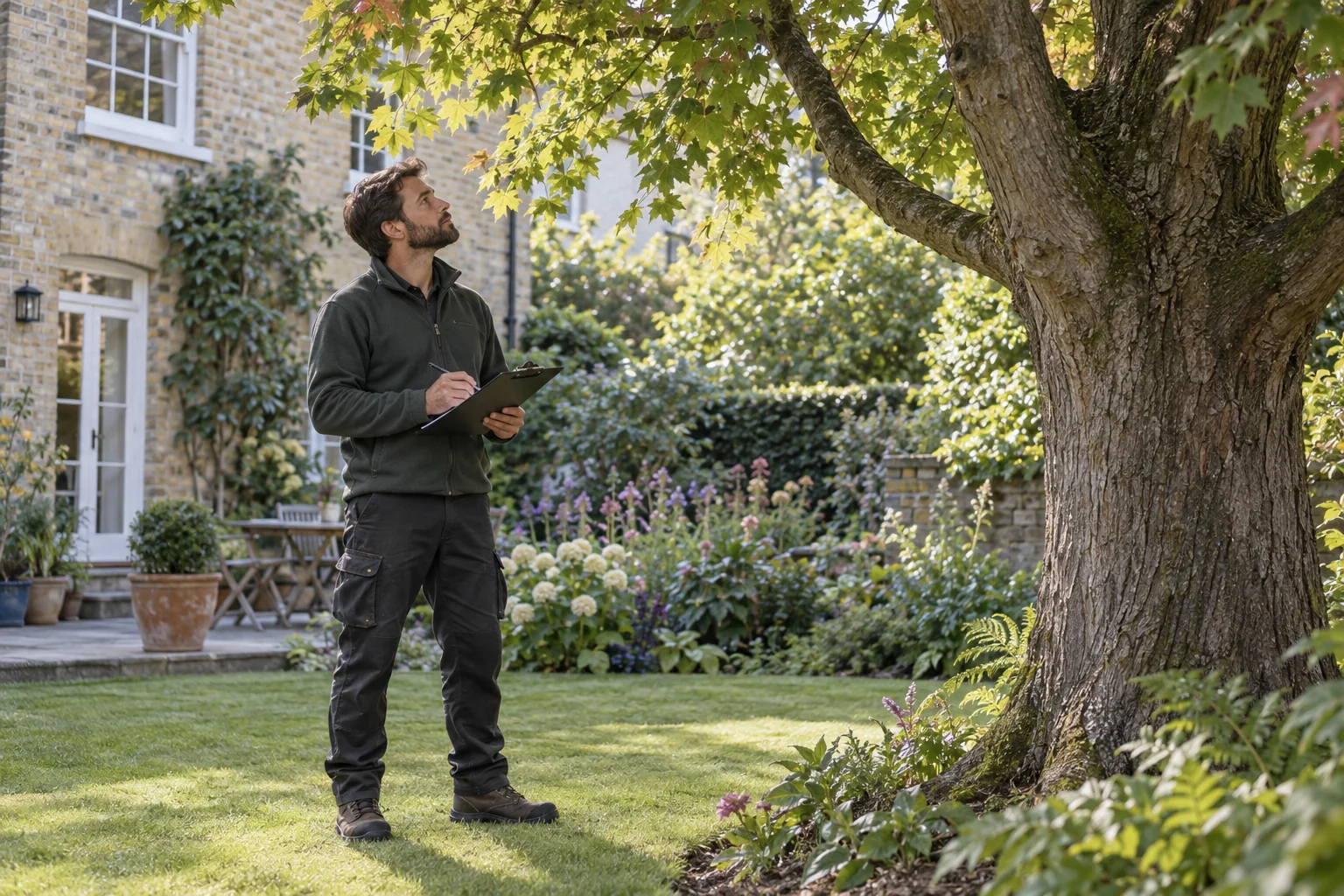
A tree can be an important part of a Chelsea garden while also making the space difficult to use. The useful starting point is to describe what has changed: branches have lowered over a seating area, the canopy has become dense, or a particular limb now approaches the building. Those are different problems, and they do not automatically call for the same operation.
- More usable space beneath an established canopy
- Protecting the planting underneath the crown
- Practical preparation for a retained tree over a small planted courtyard
Home / London coverage / Chelsea
Tree Surgery London accepts enquiries in Chelsea and can help you discuss an appropriate next step. A decision should follow the condition and structure of the tree, rather than an assumption that a smaller crown is always a better one.
For a courtyard project, draw a rough plan showing the trunk, seating, beds and access door. Mark the part of the garden you want to improve. This often gives a clearer brief than asking for a percentage reduction without an agreed reference. The arborist can then consider selective pruning, clearance or broader crown work and explain how each would affect the tree.
An attractive outline does not justify leaving a tree with an unsustainable crown. Discuss the size and position of proposed cuts, how much living foliage would remain and what future growth could look like. If the original request would involve severe cutting, ask what a more modest intervention could achieve. Keeping a useful tree usually includes accepting some shade and seasonal debris.
Put the garden objective into the final instructions
Before setting a work date, establish the protection position for the particular address and tree, and agree who will handle any required procedure. Keep the relevant written record with the proposed cuts. Ownership of the courtyard or a neighbour’s willingness to allow access does not answer the separate planning question. If the pruning proposal changes after inspection, compare that revised scope with the record rather than assuming an earlier discussion covers it. Ask the contractor how relevant wildlife considerations will be assessed as part of planning the operation.
The price should reflect the complete courtyard job, including the protection and handling arrangements already discussed. Check whether clearance is included and where any retained material would go. If the contractor recommends a less extensive operation than requested, ask how it still responds to the main objective. A defined, proportionate result is a better comparison than the amount of material removed. Retain a photograph of the completed crown and any useful review advice so later work can consider the actual response rather than repeat an old instruction without checking it.
Describe the part of the courtyard you want back
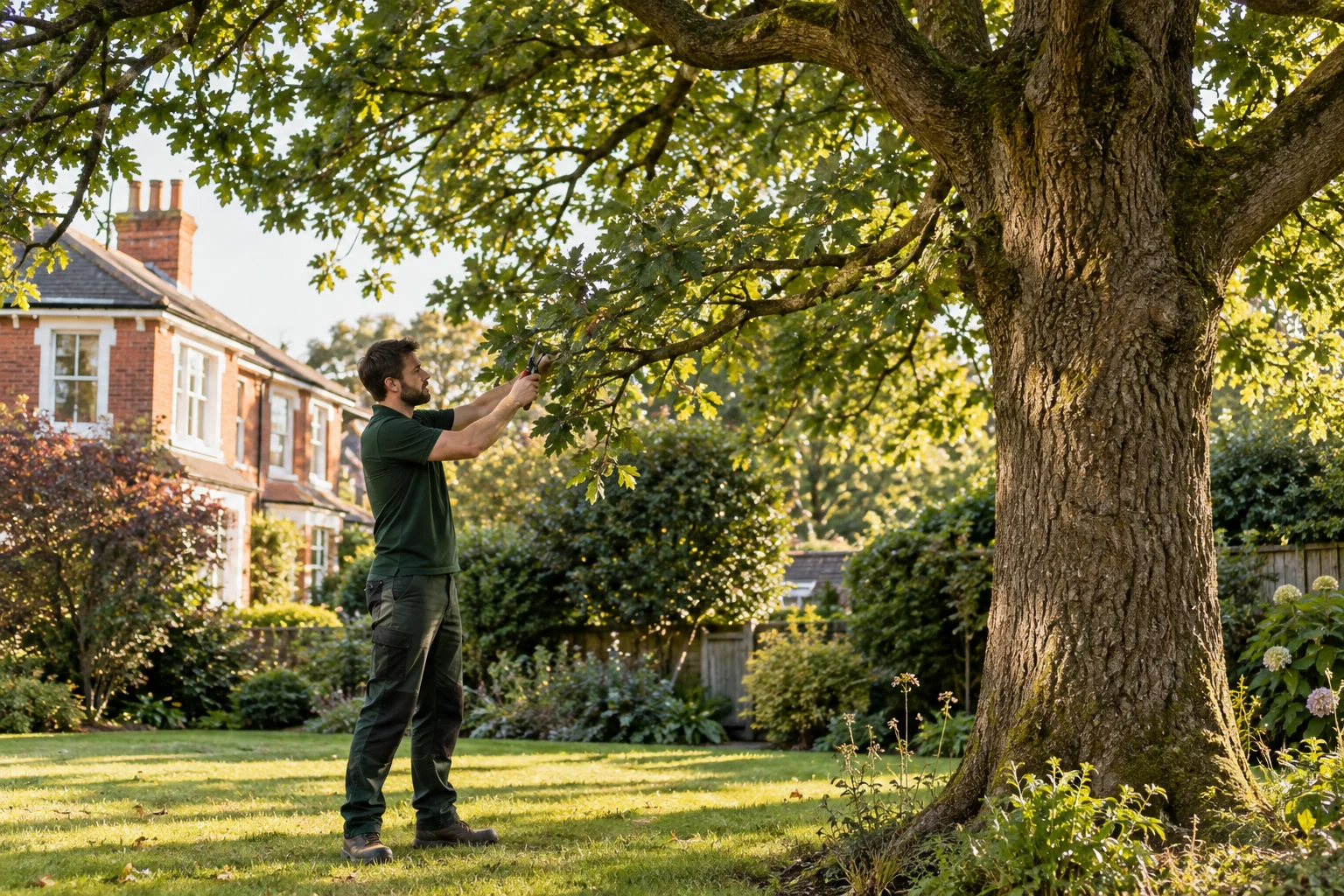
Start at ground level with the way the garden is used. A chair that no longer fits beneath a branch, an awkward path and a dark planting bed provide three different briefs. Mark those features on photographs and decide which improvement matters most. The tree can then be assessed against a practical objective rather than a request to make everything smaller.
Ask how the proposed cuts relate to the retained shape. A branch may have no suitable pruning point at the exact distance you imagined. The discussion should explain that limit, consider an alternative and avoid leaving the choice until someone is already cutting. The crown pruning guide explains why clearance, thinning and reduction should not be treated as interchangeable operations.
Preparing for the visit in Chelsea
Move delicate pots and garden furniture before the agreed work date, but leave any heavy or fixed item for discussion. Photograph planting that needs particular protection and identify an alternative place for short-term branch handling. A clear route is useful only if it can be used without damaging thresholds, irrigation or fragile paving.
Make room for the work as well as the finished garden
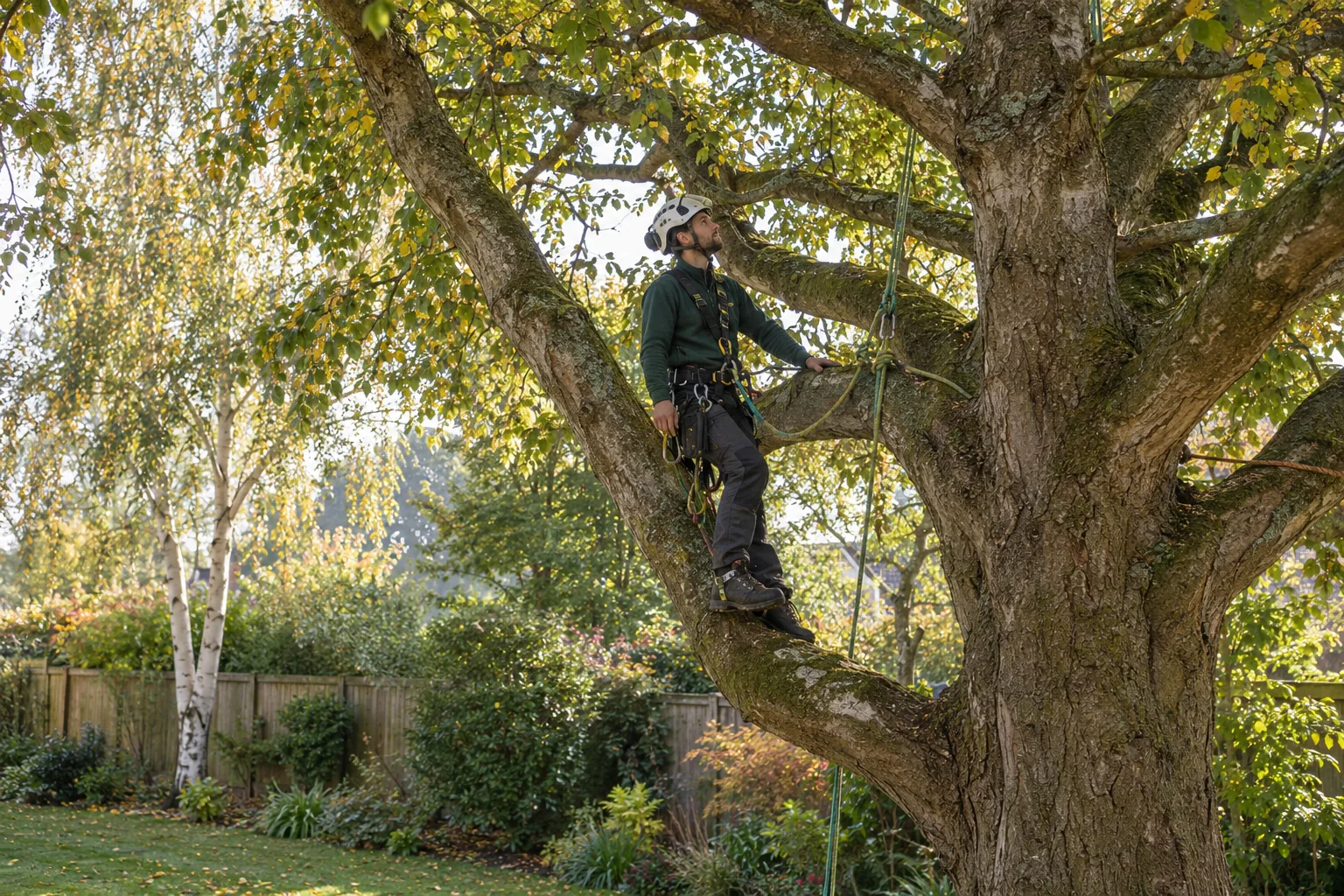
Even where the aim is modest, branches need somewhere to be handled before they leave the site. Ask the contractor to identify that space and explain how pots, beds and furniture affect the method. A courtyard photographed with all its contents in place can reveal constraints that disappear from a close image of the canopy.
For a tree being retained, protection should include the base and surrounding soil rather than focusing entirely on the visible planting. Tell anyone else working in the garden which areas must remain undisturbed. If a separate condition concern emerges, the tree care information helps distinguish that assessment from a quotation for appearance or access improvements.
| Decision to make | Information to provide | What to clarify |
|---|---|---|
| More usable space beneath an established canopy | Views of a retained tree over a small planted courtyard and the feature that prompted the enquiry | The intended result and the limits of the recommended operation |
| Pruning or removal | Tree condition, previous work and the reason for the request | How the recommendation addresses protecting the planting underneath the crown |
| Work method and access | Gate measurements, route photographs and fixed obstacles | Equipment, handling arrangements and protection included in the scope |
| Permission position | Exact property address, tree reference and any existing records | Who confirms the applicable requirements before work proceeds |
| Completion and follow-up | Whether timber stays and what use follows the operation | Clearance, remaining ground work and any recommended review |
Compare retention with a complete removal scope
If pruning cannot achieve the required use of the space, ask what makes removal a more suitable recommendation. The explanation should address the actual tree and site, not simply the inconvenience of collecting leaves. Removal planning includes the way branches and timber will be controlled near garden features as well as the final cutting of the stem.
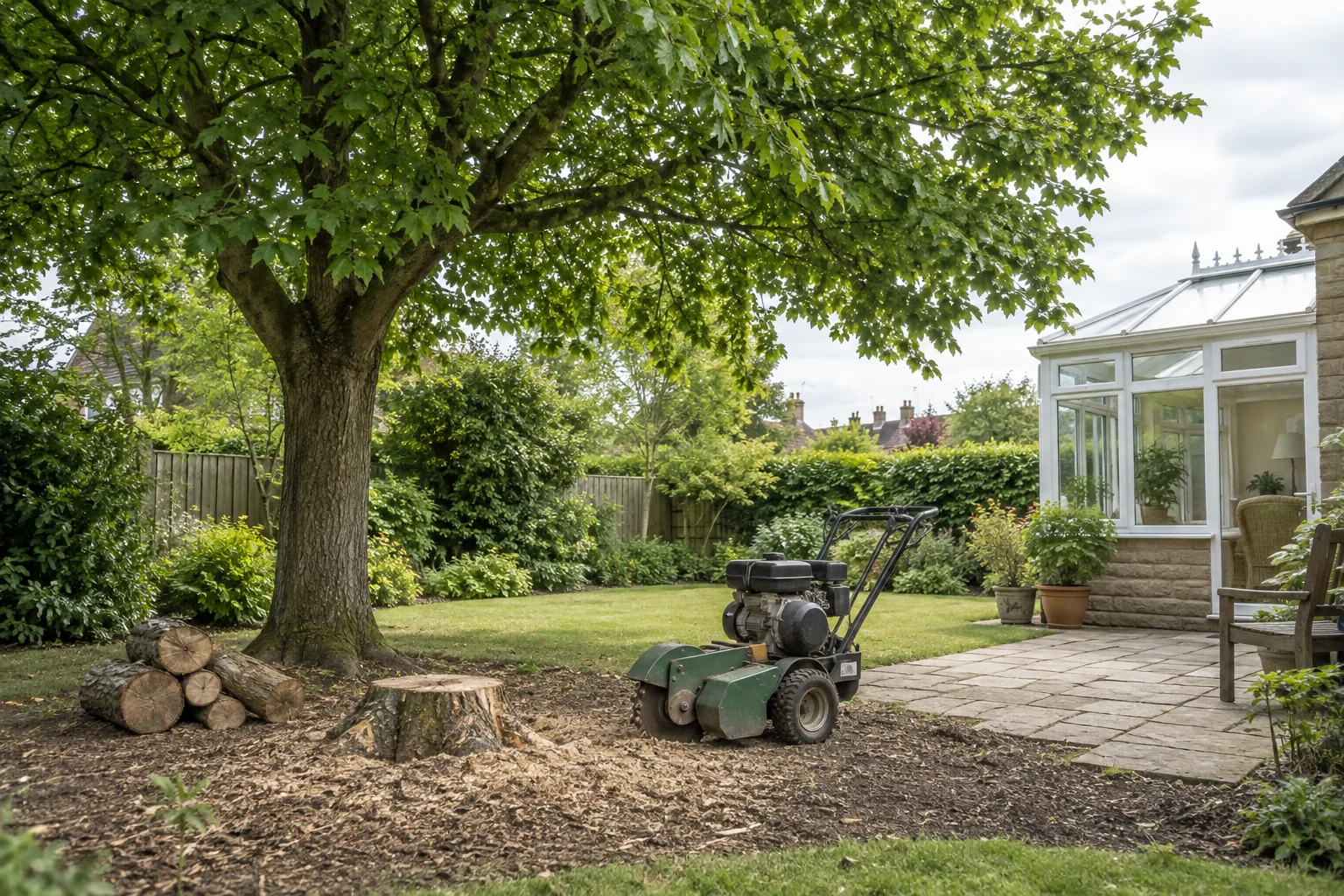
Before accepting that option, decide what follows it. A retained stump may suit one garden but obstruct another project. Grinding, disposal of grindings and preparation for planting should be defined separately where needed. Keep the original courtyard objective visible in the quotation so a change of operation does not silently create a different finished space.
Discuss the next step for your Chelsea property
Start with the Chelsea enquiry information and explain the result you want, the tree concern and the access available. For more usable space beneath an established canopy, the Tree Surgery London homepage gives the wider introduction to the service. For an address outside Chelsea, the guides for Kensington and Fulham provide related local enquiry routes; use the actual property address when arranging attendance.
Availability, the final operation and the quotation should be confirmed for the individual Chelsea property, with protecting the planting underneath the crown explained before the work date is agreed.
Local permission checks for Chelsea
For a tree in a Chelsea garden, the first permission question concerns the tree itself, rather than the size of the proposed job. A modest crown reduction can still need written consent where a Tree Preservation Order applies. Kensington and Chelsea's biodiversity guidance explains that conservation-area status can provide a separate layer of protection. Supply the full address, a photograph showing the whole tree and a sketch locating it against the house; a street name alone may not identify the right specimen.
If work is being arranged by a tenant, managing agent or gardener, establish who owns the tree before submitting instructions. Council consent does not settle private ownership or access. Ask the arborist to describe the intended pruning in measurable terms and explain its purpose. A request to improve clearance beside a wall needs a different specification from the removal of a defective branch. Keep the permission decision with the final quotation so the agreed scope remains easy to check.
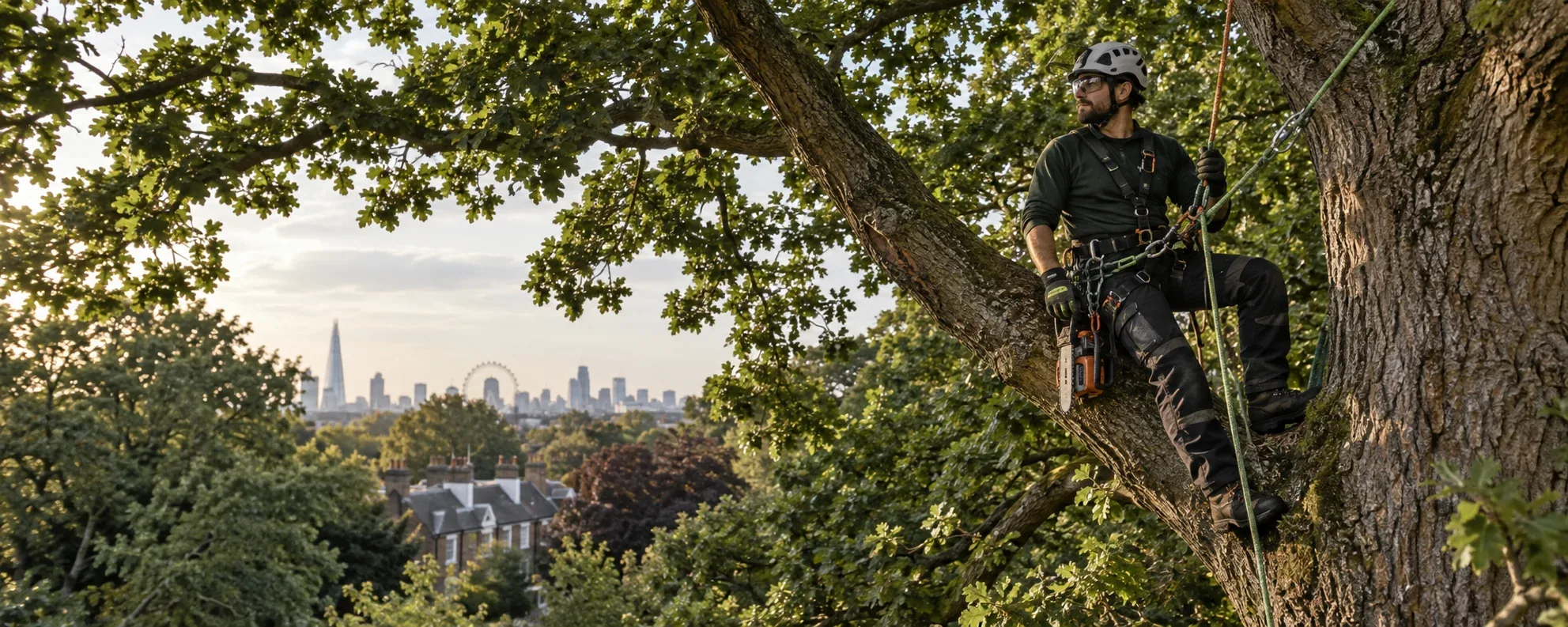
Questions about tree work in Chelsea
Can pruning make a courtyard completely sunny?
A pruning specification cannot promise complete sunlight. Explain which part of the courtyard feels unusable and when shade matters, then compare the likely improvement with the amount of crown the tree can reasonably lose.
Should I ask for a smaller version of the same crown?
That can be an understandable visual aim, but suitable pruning points may not support it. Ask the arborist to describe the retained structure and the limits of a reduction before choosing a finished outline.
How can delicate beds be protected during the job?
Identify the beds in photographs and explain which plants cannot be moved. Protection and handling space should be assessed with the work method; a request to be careful is less useful than an agreed site plan.
Will lower branches grow back after clearance?
Future growth depends on the tree and the cuts made. Discuss likely maintenance implications before the operation rather than treating a single clearance as a permanent guarantee about the space beneath the canopy.
Can I keep some chipped material for the garden?
Ask in advance about the quantity, intended use and a suitable place to leave it. Keeping chips should be an agreed part of the specification, with enough room left for the rest of the work.
What makes a Chelsea courtyard quotation useful?
It should connect the pruning objective with access, protection and clearance. Check that the same courtyard constraints appear in each quotation before comparing totals, and clarify any assumption that relies on neighbouring land.
What should be retained for the next courtyard review?
Keep the agreed crown objective, completion photographs and any specific observation advice. A later discussion can then compare the tree’s response with the original purpose, including whether the seating or access improvement remains useful, rather than commission another reduction merely because time has passed since the first visit.