LONDON TREE CARE / Shoreditch
Tree Surgery Shoreditch
A small outdoor space in Shoreditch can make even a modest tree operation a coordination exercise. A branch above seating, a tree beside a doorway or a stump in a planned route each raises a different practical question. Tree Surgery London accepts Shoreditch enquiries and can discuss the job without assuming that a small tree means an unrestricted work area.
- A concise tree specification for a compact occupied space
- Protecting everyday use while arranging a focused tree operation
- Practical preparation for a compact outdoor space used by residents or a business
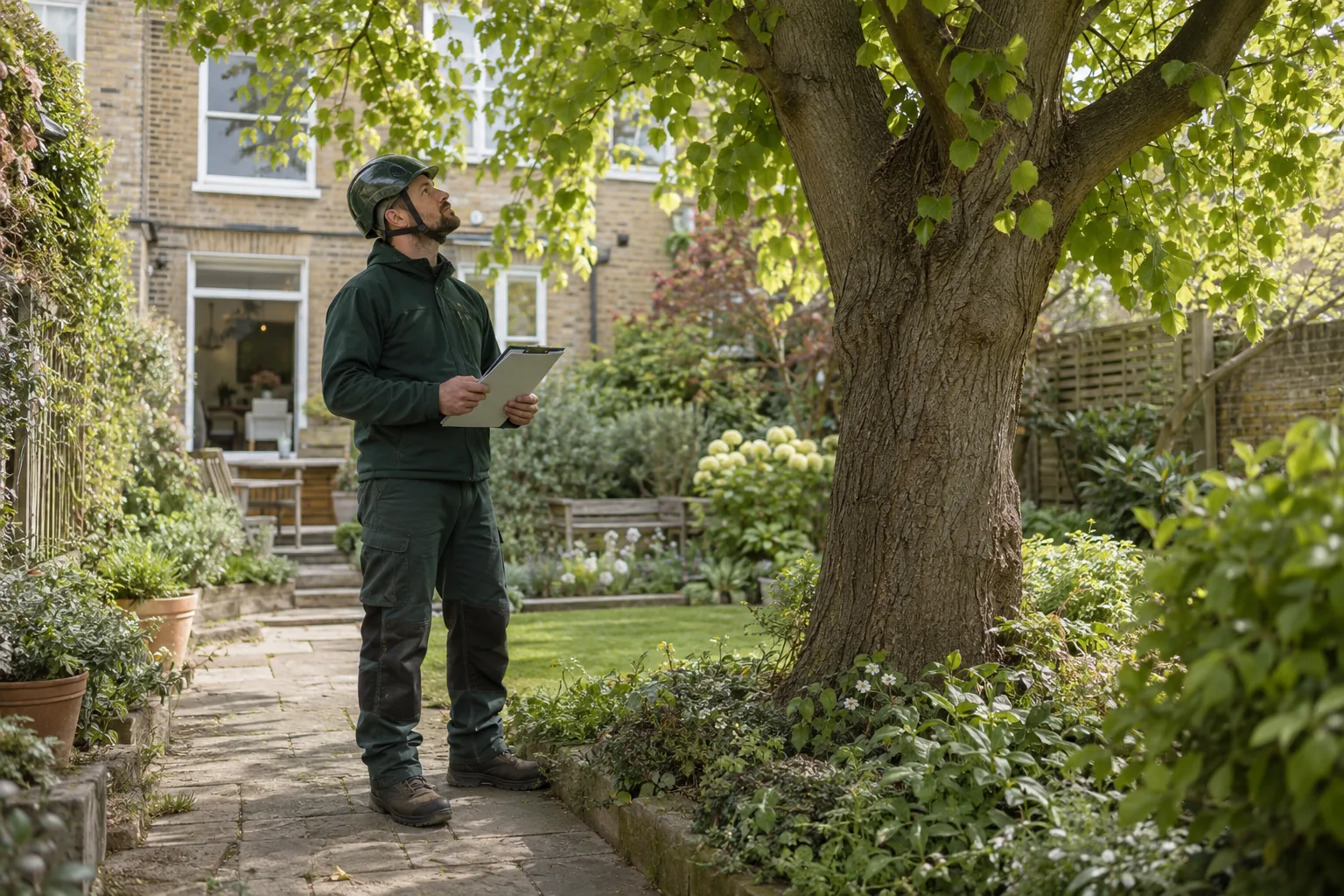
Home / London coverage / Shoreditch
Describe who uses the space, how it is reached and what the finished result needs to achieve.
Keep the brief focused on the problem. If a low limb obstructs a doorway, ask about that clearance before requesting a general reshaping of the whole tree. If the space is being rearranged, share the proposed layout so the contractor can see how the tree will relate to it. A precise request helps avoid doing more cutting than the functional improvement requires.
Small spaces often put furniture, glazing and planted containers close to the handling area. Their presence should shape the protection plan rather than becoming an afterthought. Ask what needs moving and which fixed features must be protected in place. The contractor should explain any limits on access or occupation while branches are being cut, lowered or carried out.
Use a compact brief for a compact space
Identify the exact obstruction or change you want. A tree above a table, a limb beside an entrance and a trunk in a proposed layout are not the same request. Ask the recommendation to address the priority directly. A small site can still produce an unnecessarily broad operation if the original instruction is only to tidy everything.
The crown work guide can help distinguish targeted clearance from reshaping. Ask what would remain after the recommended cuts and whether another part of the crown needs intervention at all. The practical result should be understandable without expecting the client to choose technical operations from a list.
Settle the preliminaries before fitting the job into the diary
A compact garden or small tree still needs an address-specific protection check. Identify the relevant authority, agree who handles any necessary procedure and keep the response with the final specification. A tenant’s approval or a convenient work window does not resolve separate statutory requirements. If the operation changes after assessment, review that scope before attendance. Explain wildlife observations and the normal use of the space so the contractor can consider relevant constraints together, rather than discovering them after a short occupied-site appointment has already been fixed.
Compare the quote with the actual objective and confirm access, protection and collection arrangements. Ask whether retained wood, stump treatment or a written assessment is included where relevant. An operation may be limited and still require careful handling around glass or an essential door, so size alone is not a useful price comparison. Keep variations through the authorised contact. The completed description and useful follow-up advice should return to the person responsible for the property, giving a future occupier a practical tree history instead of an informal recollection that someone cut it back.
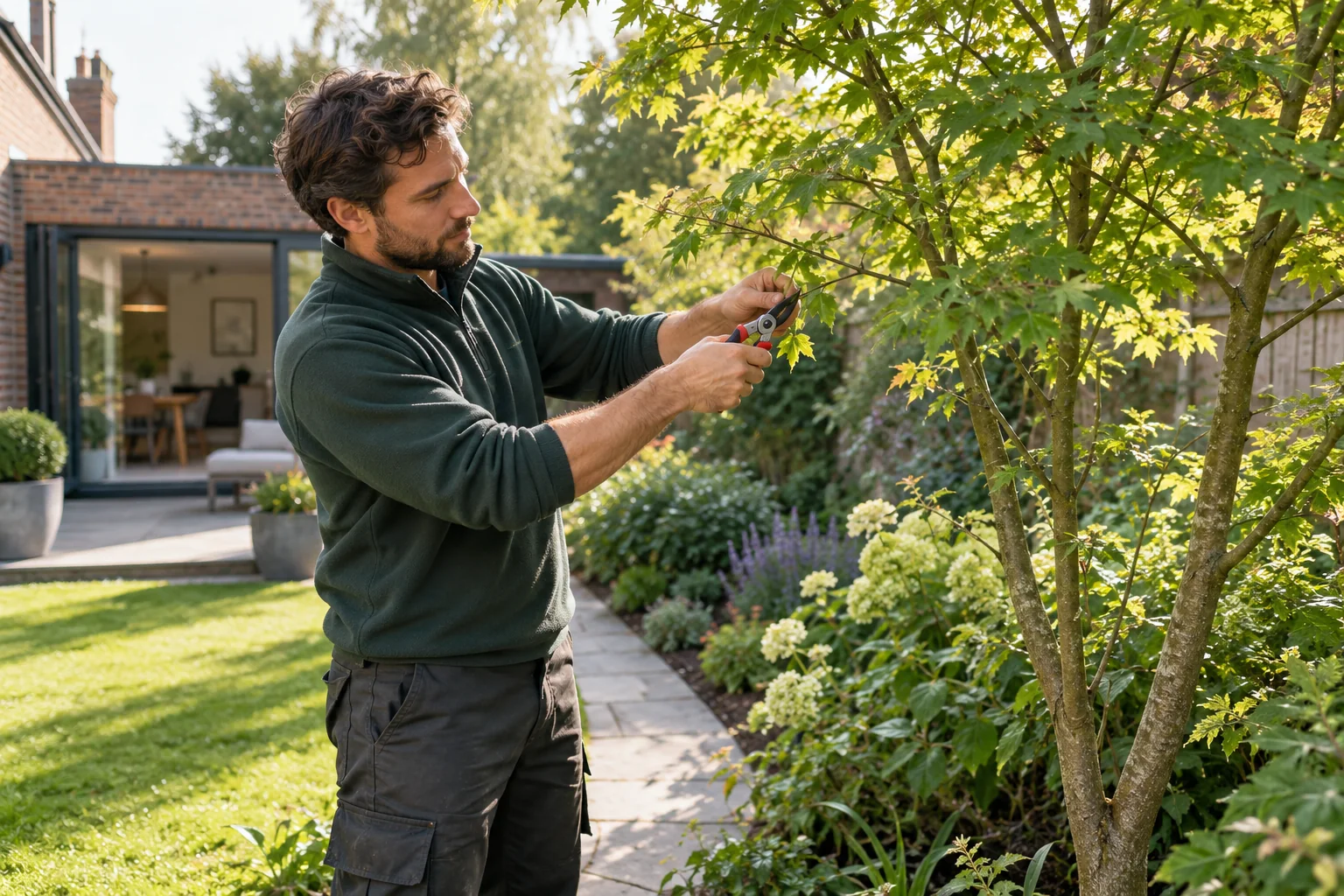
Preparing for the visit in Shoreditch
Supply a simple sketch of doors, glazing, seating and the access route. Identify the person who can move stored items or authorise closure of the outdoor space. Confirm the agreed scope with anyone else who might give instructions during the visit.
Plan the work around the occupied property
Show doors, furniture and glazing together in a sketch or sequence of photographs. Explain how the space is used during the day and which route is essential. The contractor can then consider the work area and method, while the property contact arranges communication about any agreed closure or temporary restriction.
If a new symptom has prompted the request, the tree care information helps separate assessment from routine maintenance. A short diary window does not change the need to understand that condition. Ask the organiser to confirm a feasible approach rather than assuming a small tree can always be dealt with quickly around occupants.
Agree the complete finish before work begins
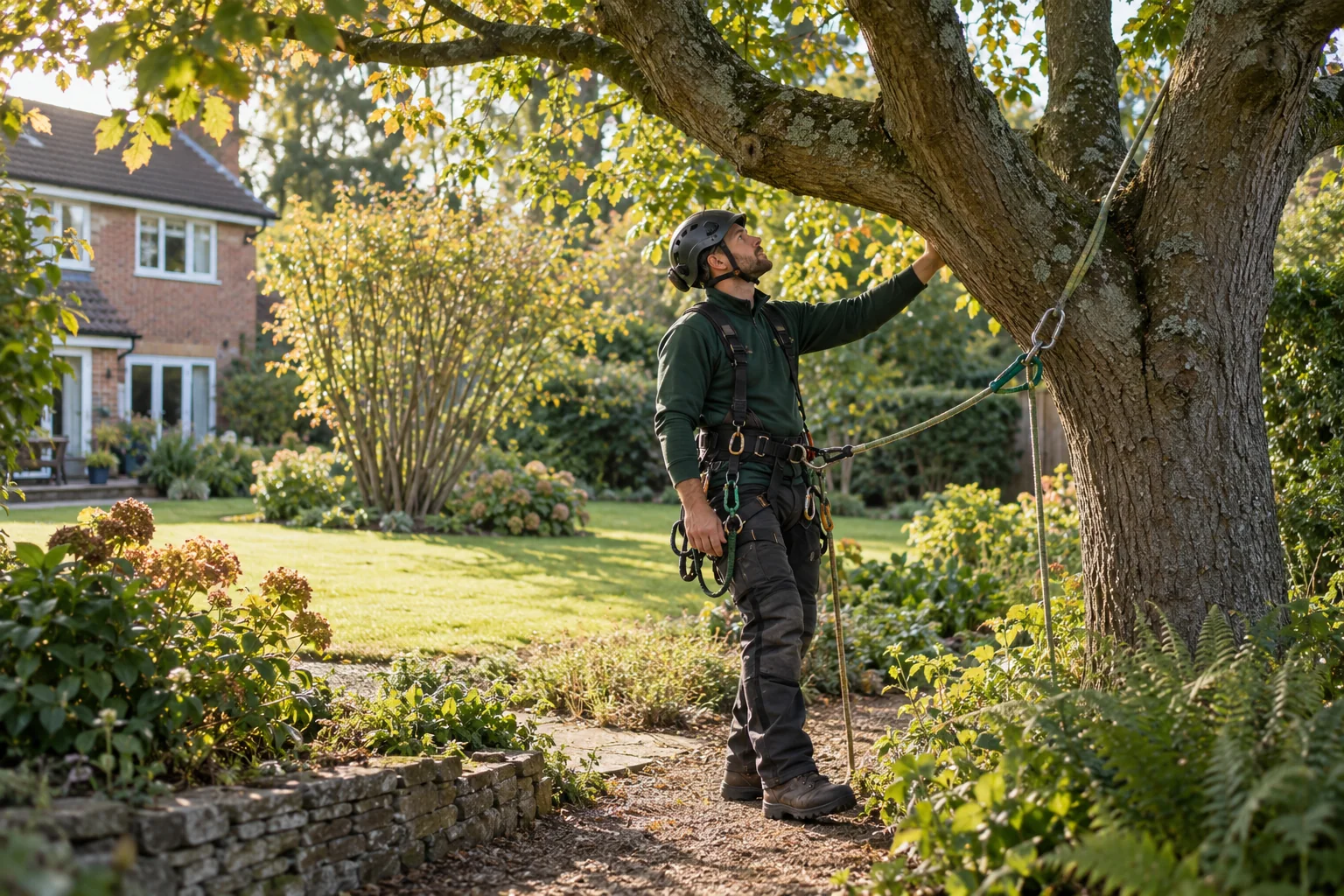
Branches still need space to be processed and removed, even where only a limited cut is planned. State what furniture can move and what protection fixed features require. Clarify the destination of wood and chips so a retained pile does not occupy the very area the operation was intended to make usable.
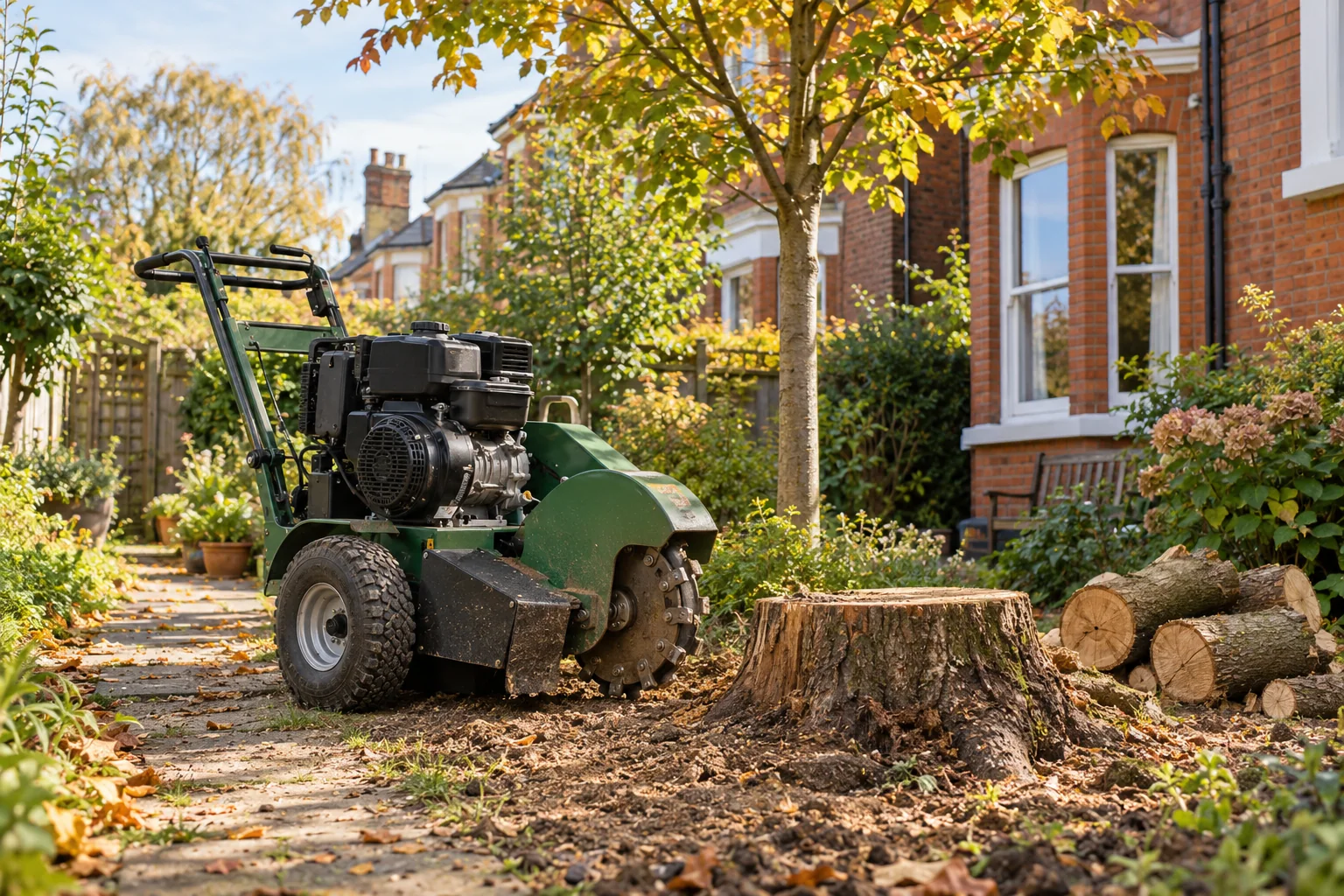
For tree removal, ask whether the stump remains and how that affects the next use of the space. Keep the accepted scope with the approving contact, and route proposed changes through that person. This is more dependable than allowing every occupier present to add a different instruction as the visit progresses.
Discuss the next step for your Shoreditch property
Start with the Shoreditch enquiry information and explain the result you want, the tree concern and the access available. For a concise tree specification for a compact occupied space, the Tree Surgery London homepage gives the wider introduction to the service. For an address outside Shoreditch, the guides for Bethnal Green and Islington provide related local enquiry routes; use the actual property address when arranging attendance.
Availability, the final operation and the quotation should be confirmed for the individual Shoreditch property, with protecting everyday use while arranging a focused tree operation explained before the work date is agreed.
| Decision to make | Information to provide | What to clarify |
|---|---|---|
| A concise tree specification for a compact occupied space | Views of a compact outdoor space used by residents or a business and the feature that prompted the enquiry | The intended result and the limits of the recommended operation |
| Pruning or removal | Tree condition, previous work and the reason for the request | How the recommendation addresses protecting everyday use while arranging a focused tree operation |
| Work method and access | Gate measurements, route photographs and fixed obstacles | Equipment, handling arrangements and protection included in the scope |
| Permission position | Exact property address, tree reference and any existing records | Who confirms the applicable requirements before work proceeds |
| Completion and follow-up | Whether timber stays and what use follows the operation | Clearance, remaining ground work and any recommended review |
Local permission checks for Shoreditch
Shoreditch is another place where the everyday neighbourhood name does not settle the planning authority. Hackney is relevant to much of the area, while Tower Hamlets publishes an East Shoreditch neighbourhood boundary map alongside the borough line. Use the full site address and location of the tree to choose the correct protection enquiry. A neighbourhood-plan map helps explain the geography, but it does not establish whether an individual tree has a TPO.
For a managed courtyard or commercial site, identify the person responsible for the land and the building's access arrangements. A quotation needs to reflect when and how the working area can be kept clear, rather than assuming uninterrupted access. Describe the actual tree concern before selecting pruning or removal, and include photographs of surrounding structures. The responsible authority can clarify the permission route once the tree is identified. Agree the handling of arisings and protection of retained planting with the owner so the proposed operation is both administratively clear and workable on the site.
Questions about tree work in Shoreditch
Can a small tree still need a controlled work area?
Yes, the operation and surrounding use determine the controls, not size alone. Show the doorway, seating and any route beside the tree so the contractor can assess how the compact space will function during work.
Is a general reshape needed for a branch obstructing a door?
Begin with the specific clearance objective. The recommendation may be targeted, depending on branch structure, rather than a reason to cut the rest of a tree that has no other identified management need.
How should fixed glazing be included in the brief?
Mark it in photographs and explain its position relative to branches and the handling route. Ask what protection and working method are proposed instead of relying on an informal assurance that the glass will be avoided.
What can I move before a Shoreditch visit?
Ask which movable furniture or containers need clearing and do so only where safe. Fixed or heavy features should be discussed during planning so the quote does not depend on their unexpected relocation.
Can staff keep using an outdoor seating area?
The contractor must assess whether occupation is compatible with the operation. Agree any temporary closure and communication before booking; a small job is not permission for people to remain beneath active cutting.
How do I prevent several people changing the brief?
Nominate an authorised contact and circulate the accepted scope to relevant occupants. Additional requests should return through that contact and the contractor so they can be assessed, agreed and recorded rather than improvised.
What should an incoming occupant know about the tree visit?
Keep the completed scope, date and relevant follow-up advice with the property information. Include any important limit on what was assessed or treated. This helps a new occupant distinguish a routine clearance operation from a documented condition assessment, without relying on a previous user’s informal account of the job.