LONDON TREE CARE / Paddington
Tree Surgery Paddington
The position of a tree in Paddington is only one part of the work plan. The place where branches leave the garden, the route to the collection point and the arrangements for loading can affect the method and the quotation. Provide the property address and access details at the outset. Tree Surgery London accepts Paddington requests for tree care and removal discussions.
- A realistic handling and collection plan
- Coordinating the garden operation with loading arrangements
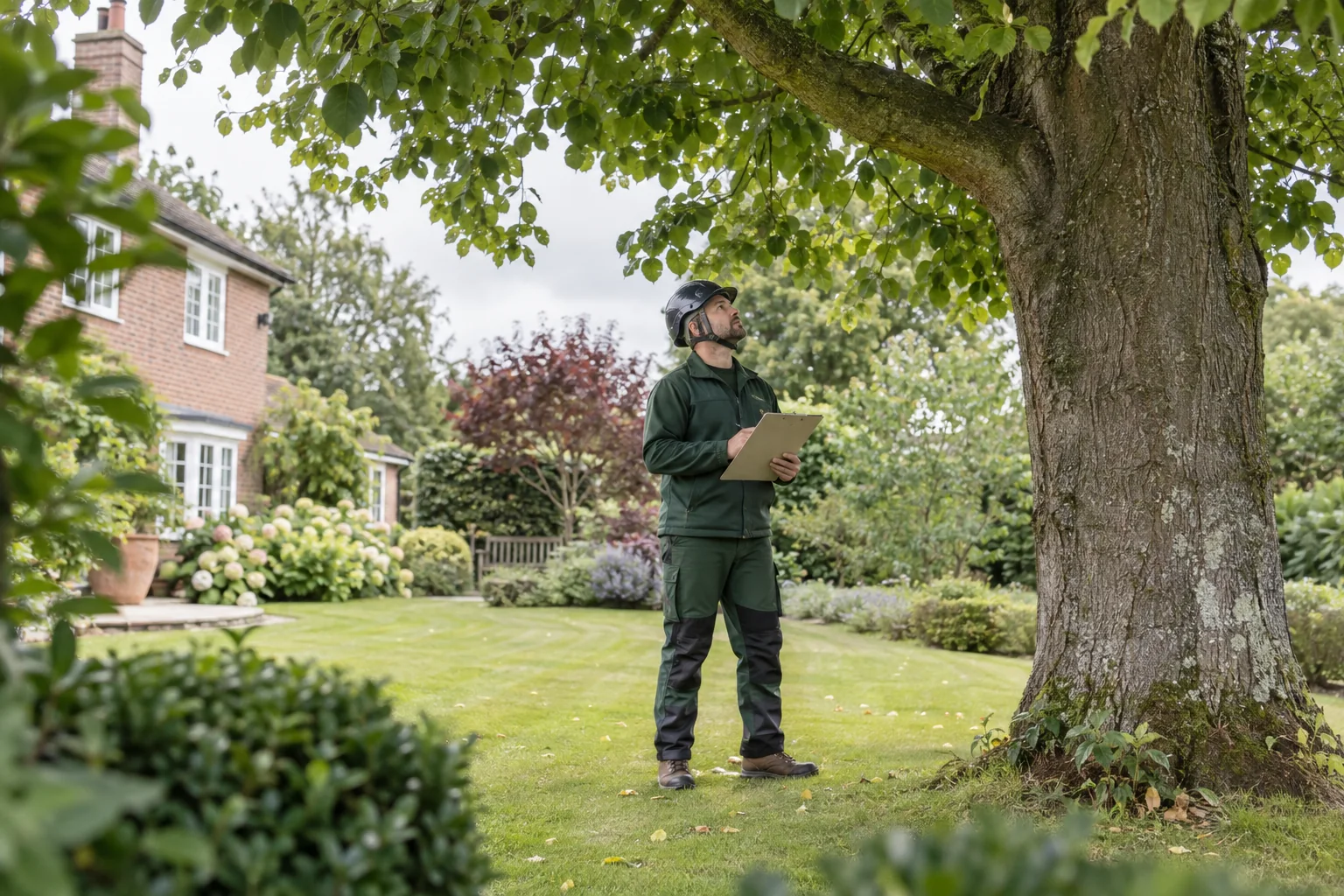
- Practical preparation for a garden with a separate route to the waste collection point
Home / London coverage / Paddington
A well-defined job covers the whole movement of material, not merely the cutting that can be seen from the garden.
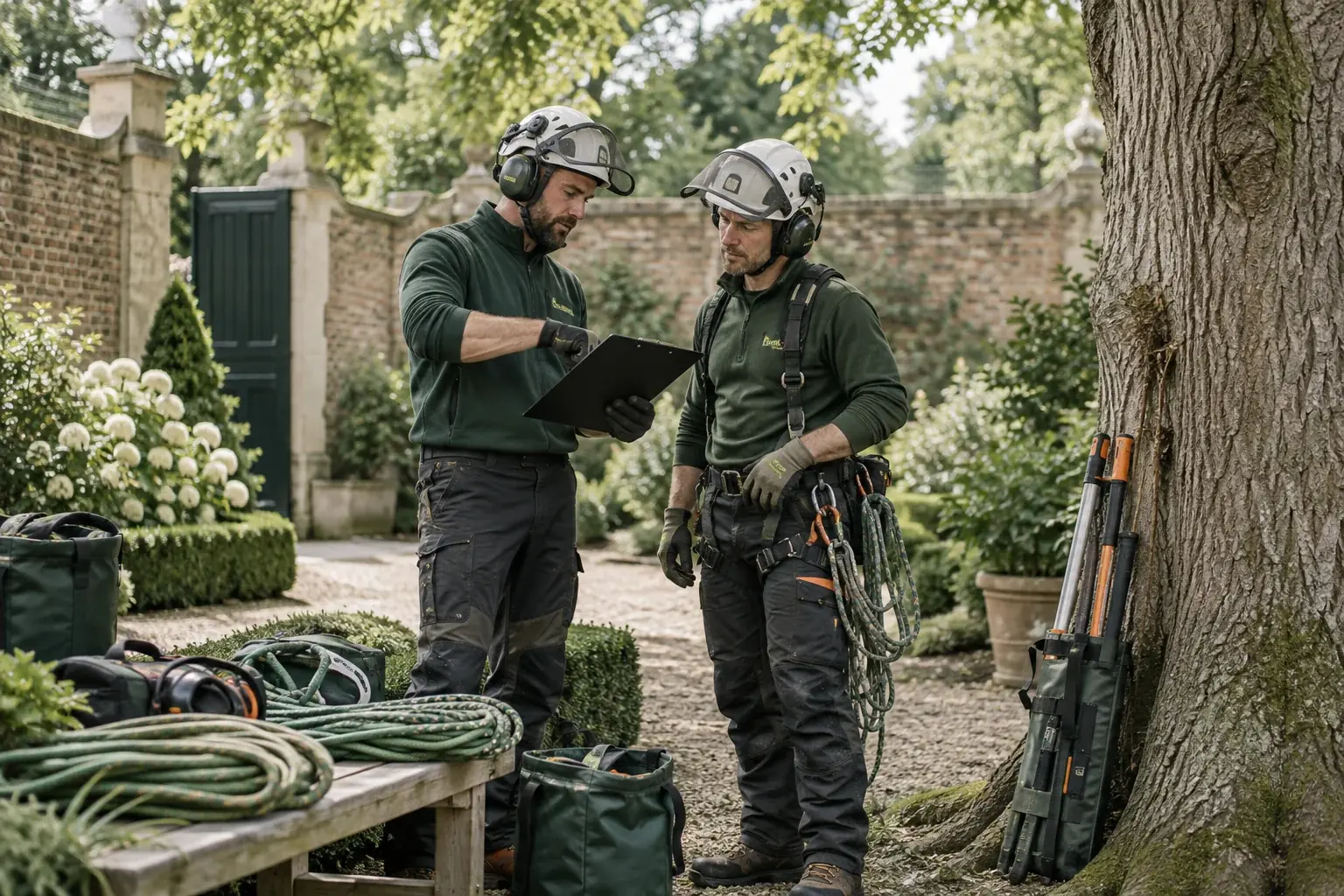
Ask where branch processing is expected to take place and what space it requires. A contractor should not rely on an unconfirmed roadside position or a neighbour’s land. Any parking, loading or public-space requirements need checking for the actual location and proposed equipment. A nearby space appearing empty in a photograph does not guarantee that it will be available or authorised for use.
The handling route may influence the size of sections cut from the tree. Larger pieces can reduce cutting time but be unsuitable for a confined passage; smaller pieces may increase manual handling and the number of journeys. This is an operational judgement, not something the owner needs to prescribe. Accurate photographs and measurements allow the contractor to explain the practical trade-off.
Draw the whole material-handling route
Include the path from the tree to processing and collection, not just the entrance into the property. Note changes in level and places where material has to turn. Ask which part of the route the contractor needs to inspect before confirming a method. An accurate description can prevent a quotation built around a collection position that cannot actually be used.
For tree removal, branch and timber handling may form a substantial part of the operation. The tree’s height alone does not reveal those demands. Explain fixed obstacles, fragile features and any route controlled by another party, then let the contractor assess how material can be moved safely.
Resolve the tree checks alongside the logistics
Loading arrangements are only one part of the preparation. Establish the tree’s protection position for the actual address, identify the relevant authority and agree responsibility for any required procedure. Keep the written record matched to the tree and proposed operation. A confirmed vehicle space is not evidence that cutting is authorised, and a tree-work decision does not itself confirm a collection location. If the specification changes, review both strands before fixing attendance. Pass on wildlife observations so the contractor can consider their implications for the planned work.
Read the price against the full handling journey, including set-up, processing, carrying and collection. Clarify which arrangements are confirmed, who bears responsibility for unresolved items and what happens if the site conditions differ on the day. Ask whether clearance and any separate stump or assessment work are included. Keep the agreed scope available to the meeting contact. At completion, record variations and any follow-up advice with the access information; that history can help a later job avoid repeating assumptions about routes or collection places that were only available for a particular visit.

Preparing for the visit in Paddington
Describe gates, shared doors and any route that must remain available. Provide details of known loading restrictions without assuming that a contractor can park anywhere for tree work. Ask who is responsible for confirming necessary arrangements and whether their cost is included in the quote.
Keep the tree objective independent of the loading problem
A difficult collection arrangement should not change the arboricultural purpose without discussion. If the request is building clearance, the pruning overview can help you understand the operation proposed to achieve it. The quotation should identify that result and then explain the practical assumptions needed to carry it out.
A new tree-health observation should also be raised before the job is fixed. Use the tree care guide to distinguish an inspection concern from routine cutting. Finding a convenient collection window is not a reason to skip assessment or remove branches whose condition has not been considered.
| Decision to make | Information to provide | What to clarify |
|---|---|---|
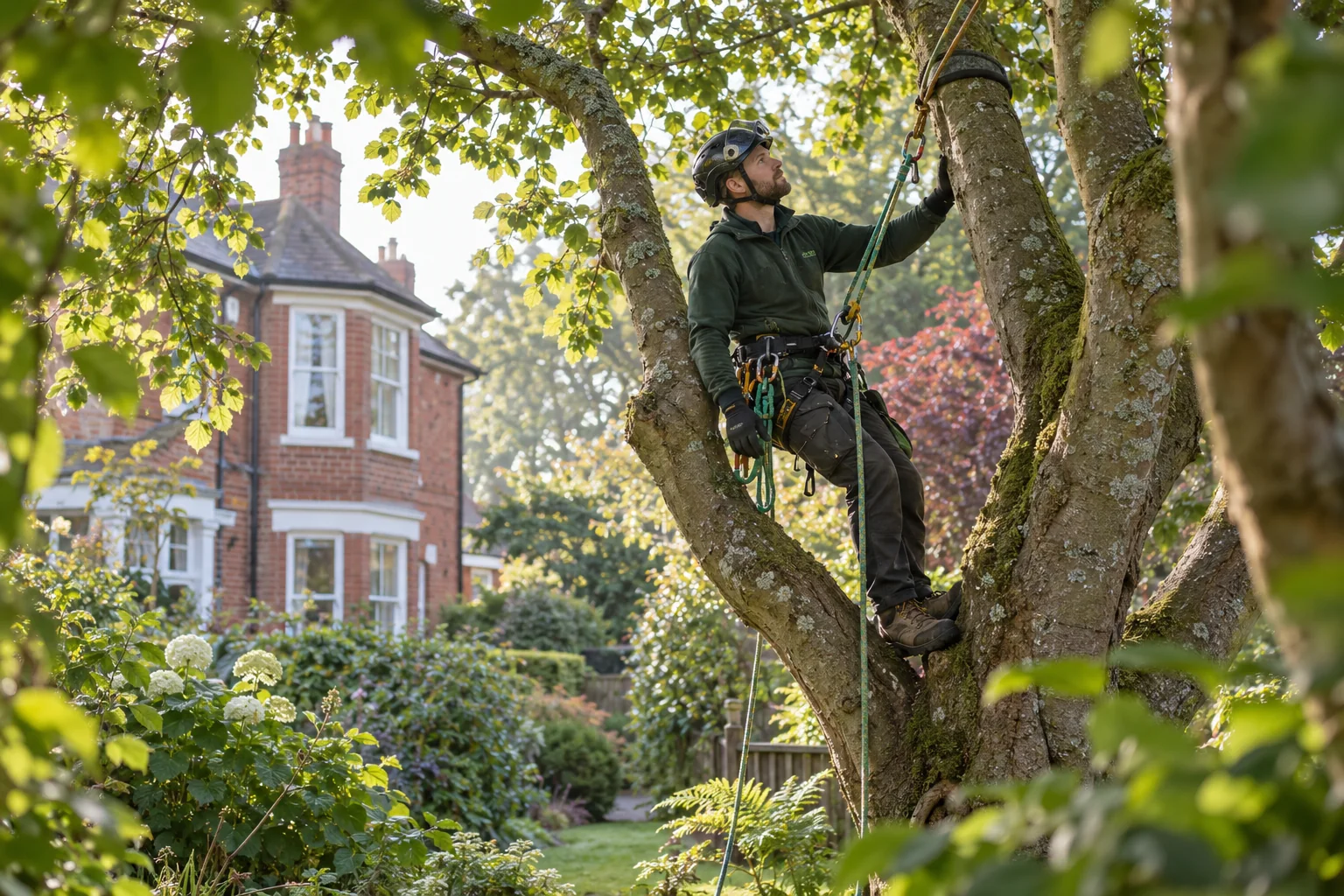
| A realistic handling and collection plan | Views of a garden with a separate route to the waste collection point and the feature that prompted the enquiry | The intended result and the limits of the recommended operation |
| Pruning or removal | Tree condition, previous work and the reason for the request | How the recommendation addresses coordinating the garden operation with loading arrangements |
| Work method and access | Gate measurements, route photographs and fixed obstacles | Equipment, handling arrangements and protection included in the scope |
| Permission position | Exact property address, tree reference and any existing records | Who confirms the applicable requirements before work proceeds |
| Completion and follow-up | Whether timber stays and what use follows the operation | Clearance, remaining ground work and any recommended review |

Confirm responsibilities for the working window
Ask who checks any relevant parking, loading or public-space arrangements and whether those costs sit within the quotation. Do not assume that tree work carries a general right to occupy a nearby space. A proposed position can be recorded as provisional until the person responsible has confirmed the necessary conditions for using it.
If access depends on a shared door, identify the contact who will keep it available. Avoid scheduling a delivery that blocks the route while branches are being handled. Discuss what happens if the confirmed arrangement fails on the day, including how a change is assessed and who can approve any resulting variation.
Discuss the next step for your Paddington property
Start with the Paddington enquiry information and explain the result you want, the tree concern and the access available. For a realistic handling and collection plan, the Tree Surgery London homepage gives the wider introduction to the service. For an address outside Paddington, the guides for Notting Hill and Marylebone provide related local enquiry routes; use the actual property address when arranging attendance.
Availability, the final operation and the quotation should be confirmed for the individual Paddington property, with coordinating the garden operation with loading arrangements explained before the work date is agreed.
Local permission checks for Paddington
For a Paddington property, Westminster's private-tree guidance identifies three checks: Tree Preservation Orders, conservation-area location and conditions attached to planning permission. Looking only for a TPO can therefore miss another relevant control. Use the complete property address, and include the garden or courtyard position if the tree is not visible from the street. The council's street-tree map serves a different purpose from establishing permission for a privately owned specimen.
Where a tree forms part of a shared residential space, ask the freeholder or managing agent who can authorise expenditure and who controls the route into the garden. A resident's concern about shading does not by itself establish an instruction to prune. Gather the observations first: the affected window, branch position and any visible defect. An arborist can then discuss a proportionate option and a measurable specification. Keep the agreed owner permissions and council decision available to the contractor so an administrative gap does not become a last-minute change to the job.
Questions about tree work in Paddington
Is a nearby parking space enough for a loading plan?
Availability and permission need checking for the actual visit and equipment. A photograph of an empty space does not reserve it or establish that processing or loading material there is acceptable.
Why does the collection point affect the quote?
The handling distance and route influence labour, section sizes and equipment choices. Explain the complete journey out of the property, not simply the distance between the tree and the garden gate.
Can the contractor chip branches in any available area?
Processing space needs to be assessed and authorised for the proposed use. Identify ownership, access and surrounding features early, and ask where the contractor expects that part of the operation to take place.
Should I request smaller timber sections?
Describe access restrictions and the intended use of retained wood, then let the contractor assess safe handling. Prescribing section sizes without that assessment may conflict with the method or add unnecessary work.
Who checks Paddington loading arrangements?
Agree responsibility before booking and establish whether associated arrangements are included in the quote. Unresolved loading assumptions should be made explicit rather than left for the crew to solve after arrival.
What happens if the planned collection place is unavailable?
Ask how the contractor would reassess the operation and communicate any change in scope or timing. Keep an authorised contact available; a replacement route should not be assumed safe or permitted without checking.
Should collection be arranged before or after the tree visit is booked?
Discuss the required collection arrangement while the quotation and work window are being confirmed. The final sequence depends on the operation and necessary permissions. Keep provisional assumptions visible, and tell the organiser promptly if a loading position or route cannot be secured so the plan can be reviewed.