LONDON TREE CARE / Walthamstow
Tree Surgery Walthamstow
Repeated cutting without a clear objective can leave a tree requiring more attention rather than less. A Walthamstow enquiry should include any history of previous pruning and the problem that has returned. Tree Surgery London accepts requests across Walthamstow for assessment and appropriate tree care. Explain what worked after the last visit, what did not and how the crown has developed.
- Explain the earlier pruning history
- Set a continuing management objective
- Review regrowth rather than repeat blindly
Home / London coverage / Walthamstow
That history helps a provider consider a management approach for the retained tree instead of assuming the previous cuts should automatically be repeated. The wider Tree Surgery London service covers enquiries about appropriate tree management, while this guide explains how to use pruning to support a clear long-term objective.
Use the previous pruning history as evidence
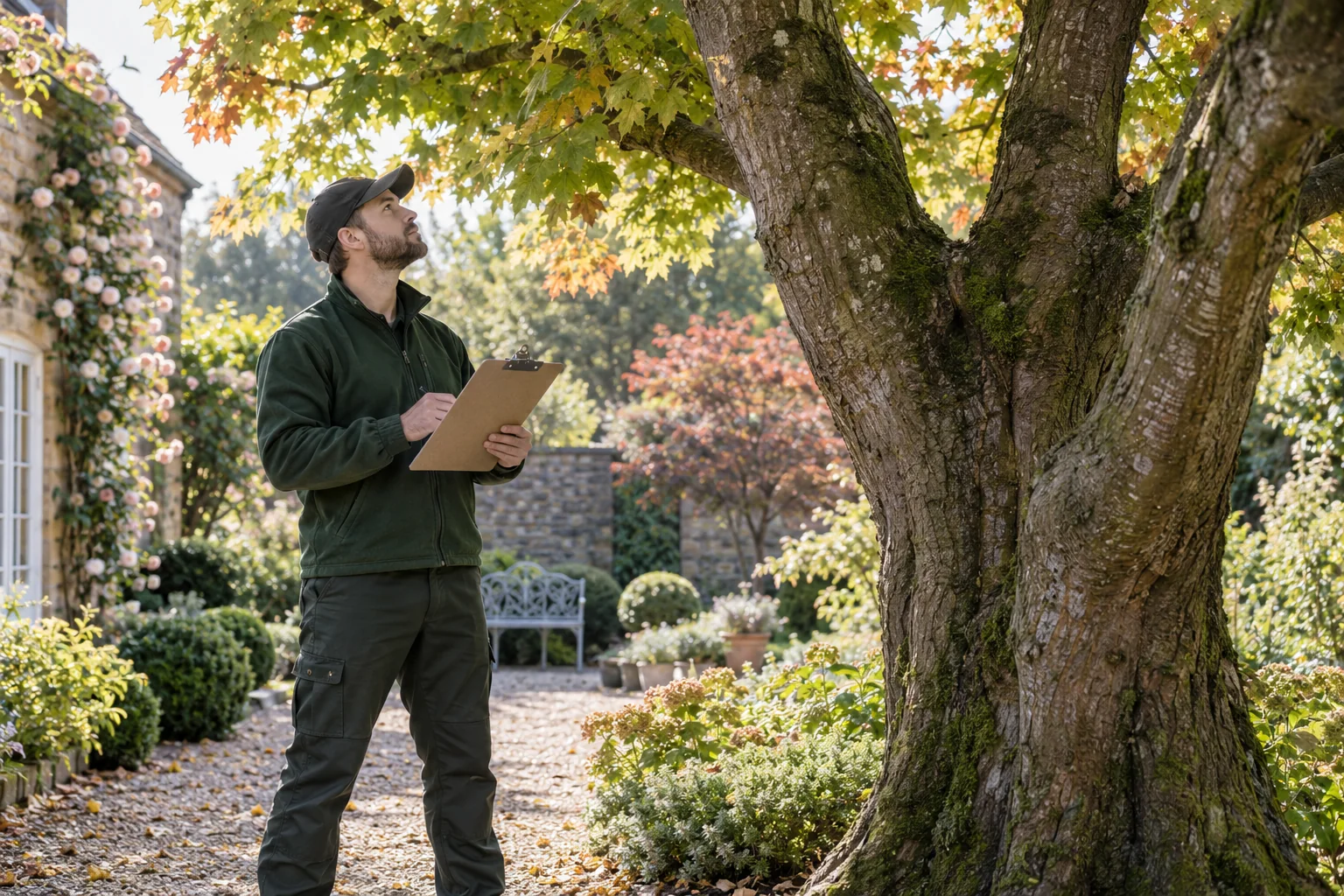
Begin with what you can actually see rather than deciding which operation the tree needs; record changes in soil, drainage or nearby structures where they may help explain why the concern arose when it did.
For this enquiry, useful starting evidence would include previous cutting points, the character of the new growth and the interval since the last operation.
A remote conversation should make clear the limits of the information available; the provider may need to examine the trunk, branch unions and accessible base before defining the appropriate next step. Use the tree care service information to prepare assessment questions; use this information before deciding that an operation should take the place of further investigation.
Set an objective for the developing crown
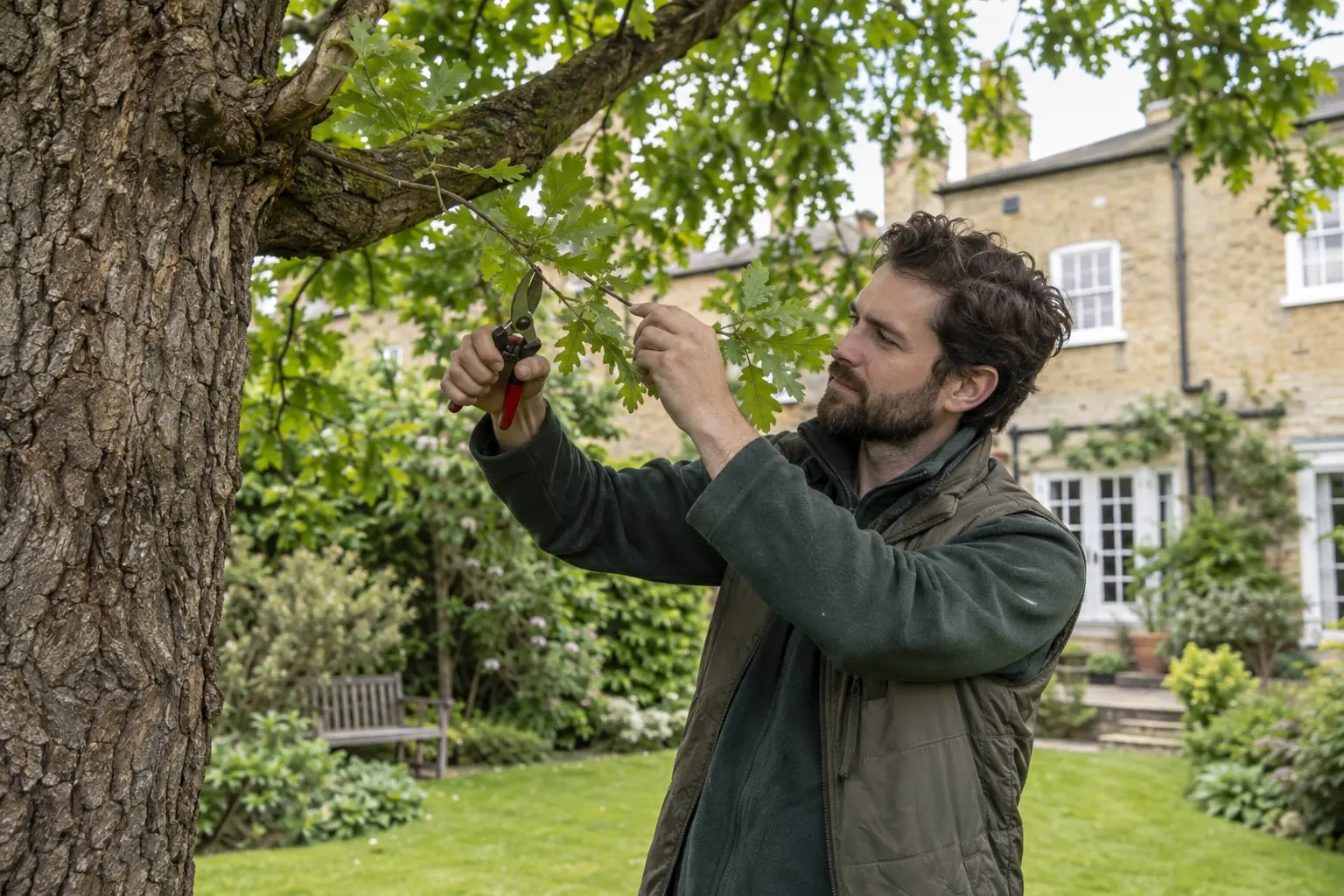
A sensible pruning discussion here would focus on a realistic continuing management objective that takes account of the existing structure and response to earlier cuts.
A written pruning proposal should show what will remain after the cuts; allow the assessment to establish which cutting points and amount of work are suitable for that tree.
Taking more foliage off does not automatically produce a more durable improvement; future growth and the condition of existing branch attachments remain relevant after the initial clearance is achieved. Use the pruning service overview to compare the terminology; keep the final agreed dimensions or branch-clearance objective with the written scope.
Review regrowth against the purpose of the earlier cuts
A useful follow-up for this property would consider the agreed review points rather than waiting until the same obstruction becomes difficult again.
The retained tree should have a realistic management plan beyond the day of pruning; distinguish a reasonable future review from a promise that the tree will never need further attention.
An ongoing record is most helpful when it shows dates and the part of the tree concerned; the next person assessing the tree can relate the observation to the previous work and the current surroundings.
Check the current operation rather than the old approval
Before agreeing a start date, establish the relevant authority and the tree’s protection position; the applicable application or notification route can be established before a contractor is expected to begin cutting.
Where an application or notification is required, describe the proposed work clearly; the owner and provider can identify the same tree and understand what has and has not been authorised.
The property-specific planning question is how the proposed work addresses a previously pruned tree whose regrowth has brought back the original clearance or light concern without getting ahead of the checks required for that address.
| Planning decision | Information to provide | What to agree |
|---|---|---|
| The reported concern | Previous cutting points, the character of the new growth and the interval since the last operation | An assessment and a defined management objective |
| The retained crown | A realistic continuing management objective that takes account of the existing structure and response to earlier cuts | An understandable pruning scope, if work is appropriate |
| The working route | Protecting the garden features installed since the tree was last worked on | Method, protection and workable site separation |
| The finished space | Keeping any new ground treatment compatible with the continued retention of the tree | Stump, material and reinstatement responsibilities |
Protect features added since the last operation
At the planning stage, pay particular attention to protecting the garden features installed since the tree was last worked on.
Access information should cover the entire journey between the work area and collection point; the provider can decide whether a visit is needed before confirming machinery, staffing and material handling.
The contractor needs a workable separation between the operation and occupied space; include children, pets, visitors and anyone who might enter through a gate without seeing what is happening.
Reconsider retention before repeating unhelpful work
A felling proposal needs a clear explanation of why that outcome is appropriate; the aim is that a temporary access issue or an imprecise request does not become an unexamined reason for felling.
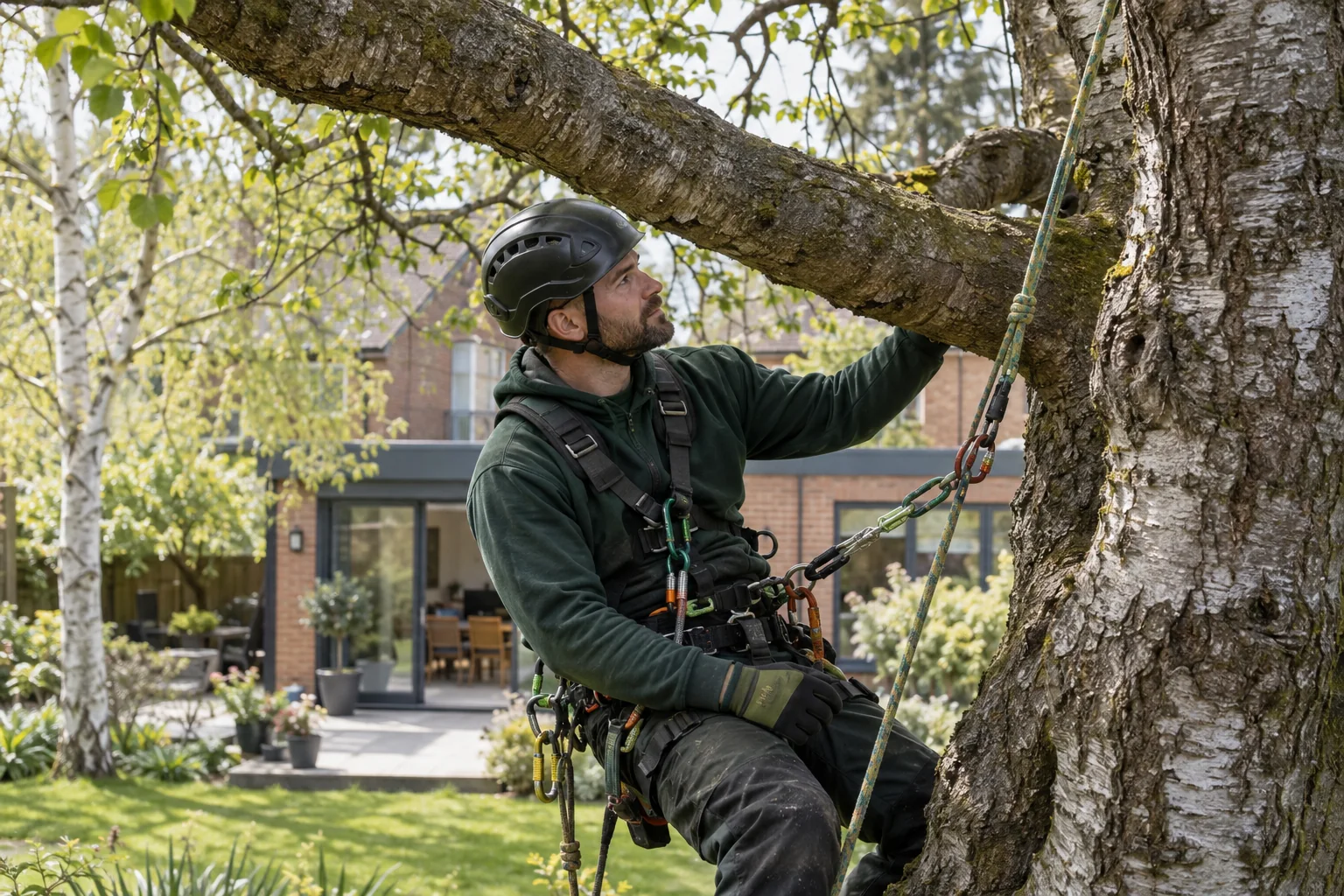
A removal method must account for the work space and the objects within reach; supply photographs of neighbouring structures and the collection route as well as the tree’s height and spread.
The ground-related part of this decision is keeping any new ground treatment compatible with the continued retention of the tree. Read the sectional removal guidance when reviewing a felling proposal; the written scope can distinguish tree removal from the treatment of the stump.
Compare future management implications as well as price
Compare the written scope before comparing the total price; record any item whose completion depends on access, permission or information not yet available.
The difficulty of protecting structures or managing shared access can influence the proposal; avoid implying that there is a universal cost per tree that can sensibly cover every property and operation.
For this particular brief, the scope should explain its response to a previously pruned tree whose regrowth has brought back the original clearance or light concern, rather than substitute an unrelated standard operation.
Keep new ground treatments compatible with the tree
For the space left at ground level, consider keeping any new ground treatment compatible with the continued retention of the tree.
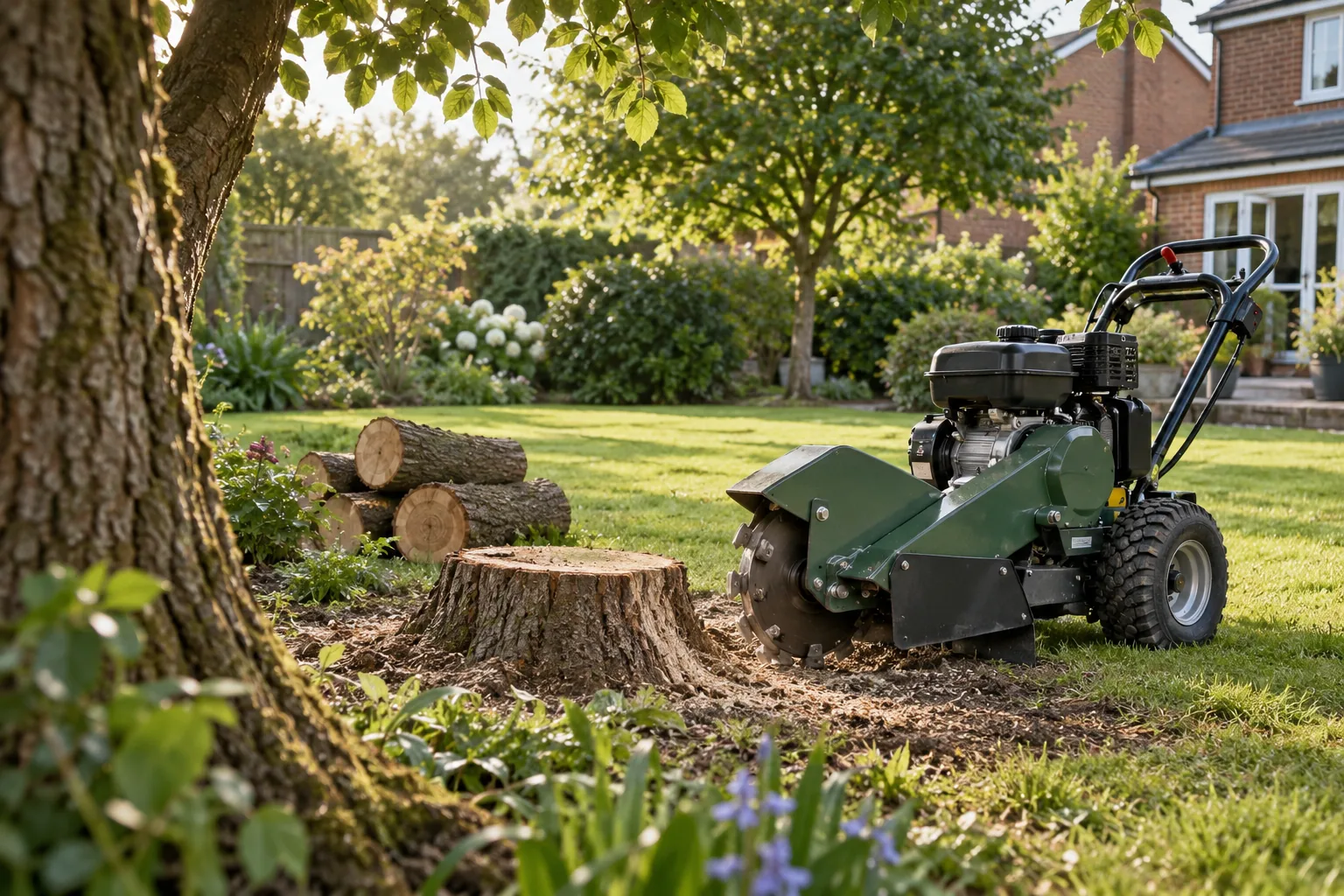
Discuss what the ground will be used for before selecting a stump treatment; recognise that access constraints may limit the machinery and extent of treatment available at that location.
If another contractor will complete the garden work, establish the handover condition; allow the person responsible for the final surface to confirm what preparation is necessary for that use. Read the guide to stump grinding before agreeing the finished ground condition; use this information before treating a cleared surface as ready for planting or construction.
Specify arisings from the new growth
Material handling deserves a separate line in the job specification; the quotation reflects the handling, collection and finish that the customer actually expects.
The size and location of any retained pieces should be agreed in advance; the aim is that the final arrangement is manageable after the equipment and people undertaking the operation have left.
The completion check should include the agreed review points rather than waiting until the same obstruction becomes difficult again.
Arrange an informed Walthamstow enquiry
Use the details in this guide to describe a previously pruned tree whose regrowth has brought back the original clearance or light concern. Explain who can attend or provide access at the property; flag concerns that may require a different response from an ordinary maintenance enquiry. The enquiry can be considered with a suitable provider through Tree Surgery London; the customer can understand the proposed scope before committing to the operation described.
For another property nearby, the guides to tree work in Leyton and Enfield tree surgery offer separate practical starting points. The nearby guides should not replace a check of the actual address and tree; keep the assessment focused on the specific concern and the people or structures affected.
Local permission checks for Walthamstow
For a Walthamstow property, Waltham Forest's tree guidance distinguishes the owner's responsibility for private trees from the council's own tree service. It advises reasonable care through inspection and necessary work where risk is identified. That does not mean a tree needs cutting simply because it is mature. Describe the observations that prompted the enquiry and arrange an appropriate assessment before selecting a treatment.
The council provides a tree-preservation contact where TPO or conservation-area status is uncertain. Include the address, tree position and photographs so the enquiry can be linked to the correct specimen. The work proposal should describe the intended operation clearly enough to support an application or notice where required. Ask the arborist how access will be managed and how retained planting or surfaces will be protected. If another owner or managing agent controls part of the route, obtain their agreement separately. A specific condition assessment and documented permission position provide a firmer basis for the job than a general request to make the tree smaller.

Questions about tree work in Walthamstow
Should the tree be cut back to the old pruning points?
Old pruning points need assessment in their current condition. Repeating an earlier outline is not automatically suitable. Explain the date and extent of previous work, then ask how the present crown should be managed for the objective you have now.
Can regular pruning stop all regrowth?
A living tree normally responds to growing conditions and pruning. Discuss a realistic management interval and retained size rather than expecting cutting to stop growth. In some situations, changing the management objective may be more appropriate than repeating heavy work.
What should I send with a Walthamstow tree-work enquiry?
Begin with a short explanation of the desired result and clear site photographs; avoid putting yourself beneath unstable growth or climbing the tree to obtain additional photographs.
How should I check tree protection at my Walthamstow address?
Use the exact property details to identify the relevant planning authority; confirm the applicable application or notification requirements before agreeing that cutting can begin.
What affects the quotation for tree surgery in Walthamstow?
Quotations should account for the agreed crown work or removal and the practical site constraints; disposal, retained timber and any stump treatment should be identified so the customer can compare like-for-like scope.
What should be agreed about clear-up at the Walthamstow property?
The finish should distinguish removal of cut material from soil replacement or surface reinstatement; stump grindings should be discussed separately if grinding is part of the agreed operation rather than assumed within removal.