LONDON TREE CARE / Ilford
Tree Surgery Ilford
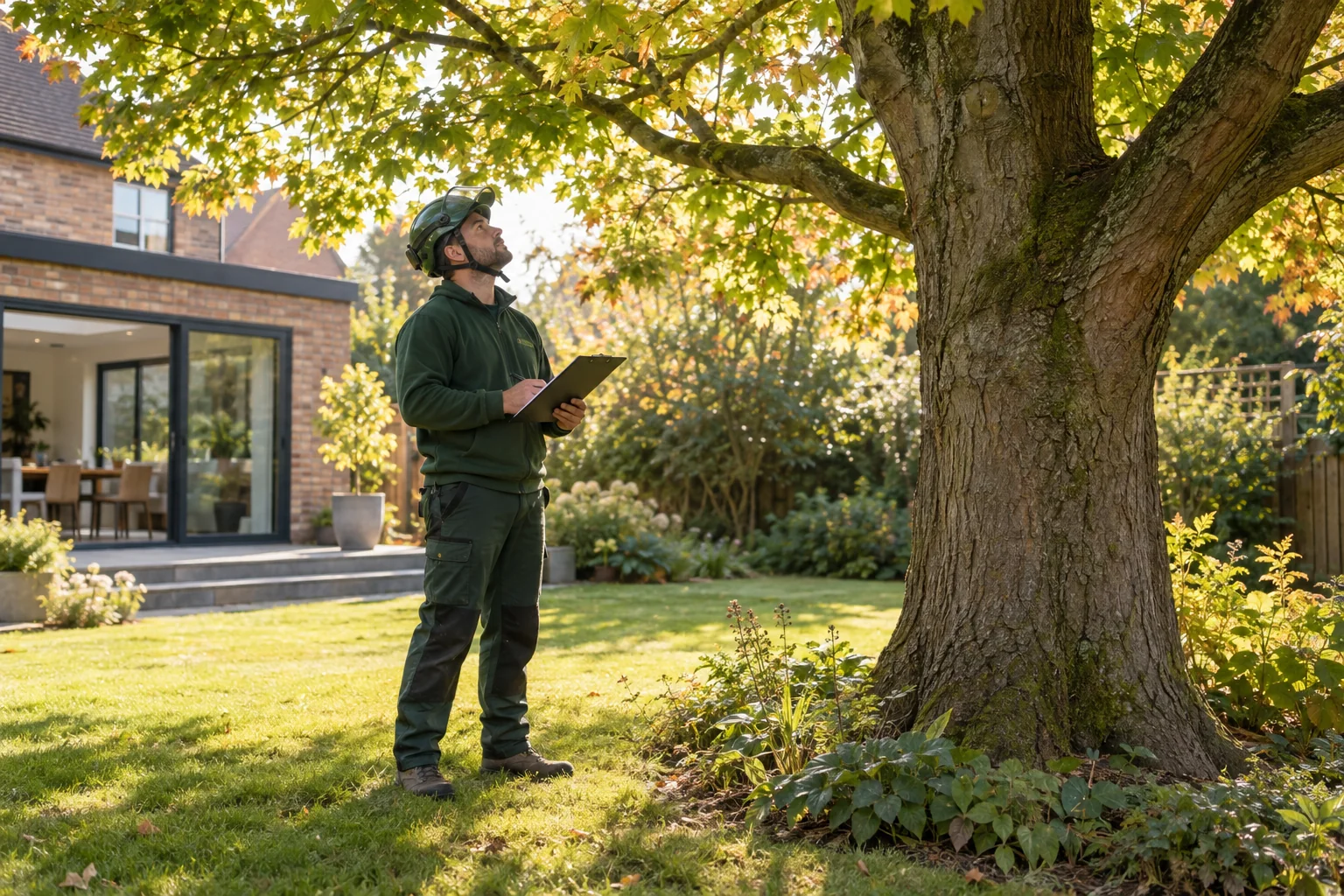
An area name is useful for arranging a visit, but the full property address is needed when checking the relevant planning authority and tree protection. For an Ilford enquiry, provide the postcode and enough detail to identify the particular tree. Tree Surgery London accepts requests throughout Ilford. The appropriate work depends on the tree, the site and any applicable restrictions.
- Use the exact property address
- Identify the tree in existing paperwork
- Confirm requirements before a work date
Home / London coverage / Ilford
Check those facts before fixing a start date, particularly if a general online search has produced information for a different address or a similarly named place. The wider Tree Surgery London service covers enquiries about appropriate tree management, while this guide explains how to check the address before checking tree permissions.
Use the property address to establish the authority
Treat permission checks as a specific task for the tree and address concerned; the applicable application or notification route can be established before a contractor is expected to begin cutting.
A general wish to tidy the tree is not a sufficiently clear basis for an authorisation check; the owner and provider can identify the same tree and understand what has and has not been authorised.
The property-specific planning question is how the proposed work addresses a proposed pruning or removal job where the owner has not yet established the tree’s protection status without getting ahead of the checks required for that address.
Identify the exact tree in the existing paperwork
Before choosing a treatment, give the provider a reliable account of the concern; record changes in soil, drainage or nearby structures where they may help explain why the concern arose when it did.
For this enquiry, useful starting evidence would include the exact property address, tree location and any previous correspondence or application reference relating to it.
A photograph can support the conversation but cannot establish every hidden condition; further assessment may be necessary where the reported symptom has more than one plausible explanation or its extent remains unclear. The assessment and tree care overview explains the wider service context; use this information before deciding that an operation should take the place of further investigation.
Define the crown operation before checking requirements
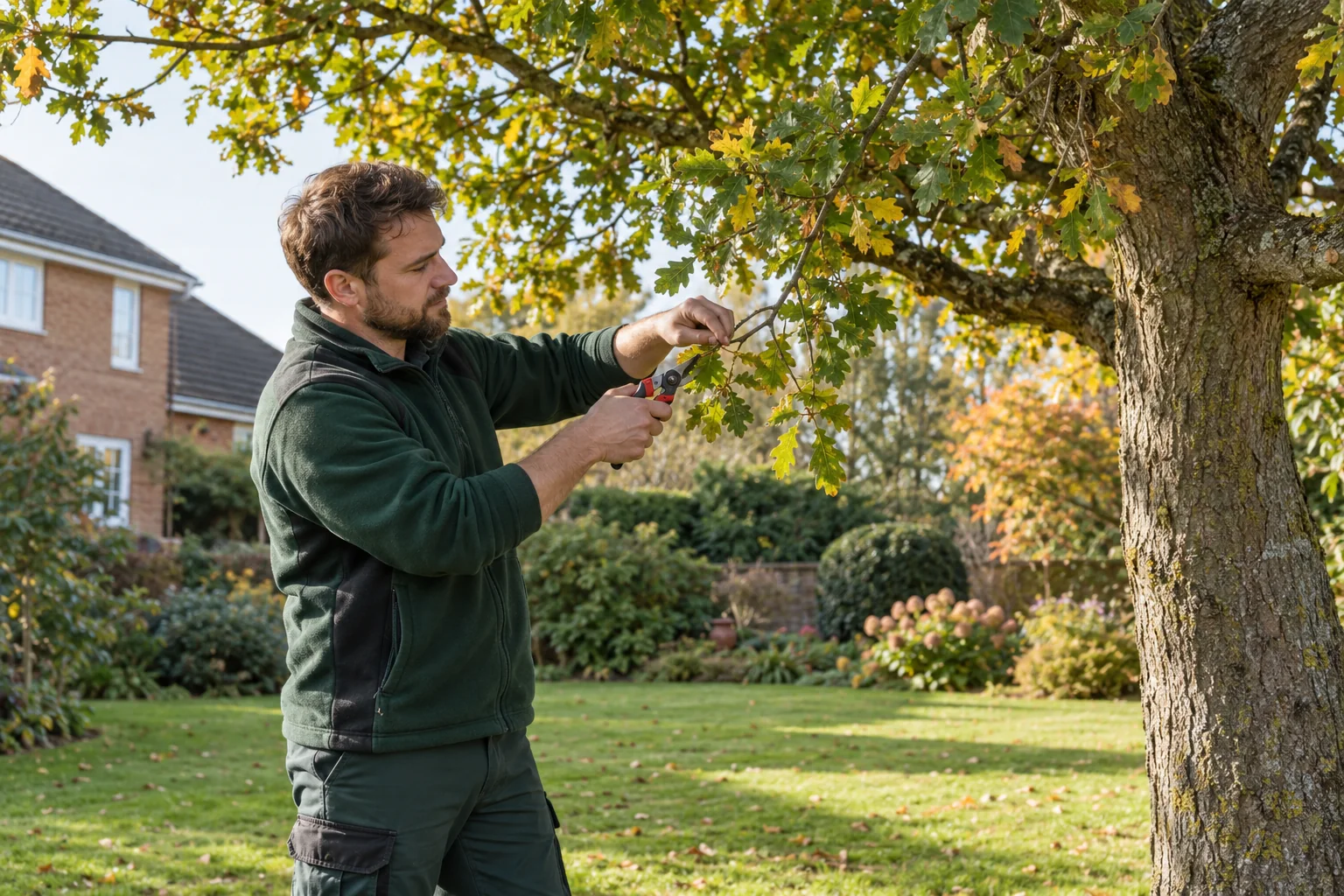
A sensible pruning discussion here would focus on a specific proposed operation that can be checked against the applicable permission or notification requirements.
Clarify the relationship between the requested clearance and the remaining branch framework; allow the assessment to establish which cutting points and amount of work are suitable for that tree.
The amount removed needs to be justified by the objective and the tree; future growth and the condition of existing branch attachments remain relevant after the initial clearance is achieved. The guide to tree pruning options provides useful background; keep the final agreed dimensions or branch-clearance objective with the written scope.
Check the basis and authorisation for proposed removal
If removal is proposed, ask what evidence and site requirements support the decision; the aim is that a temporary access issue or an imprecise request does not become an unexamined reason for felling.
A garden tree cannot always be felled into one clear area; the proposed approach should be explained after the contractor has checked access and the space available for material.
The ground-related part of this decision is any restriction or replacement requirement that may affect plans for the ground after an approved removal. Use the guide to removing a tree as preparation for discussing the method; the written scope can distinguish tree removal from the treatment of the stump.
Arrange access with someone who knows the correct tree
At the planning stage, pay particular attention to a site visit arranged with the person able to identify the correct tree and explain the proposed access.
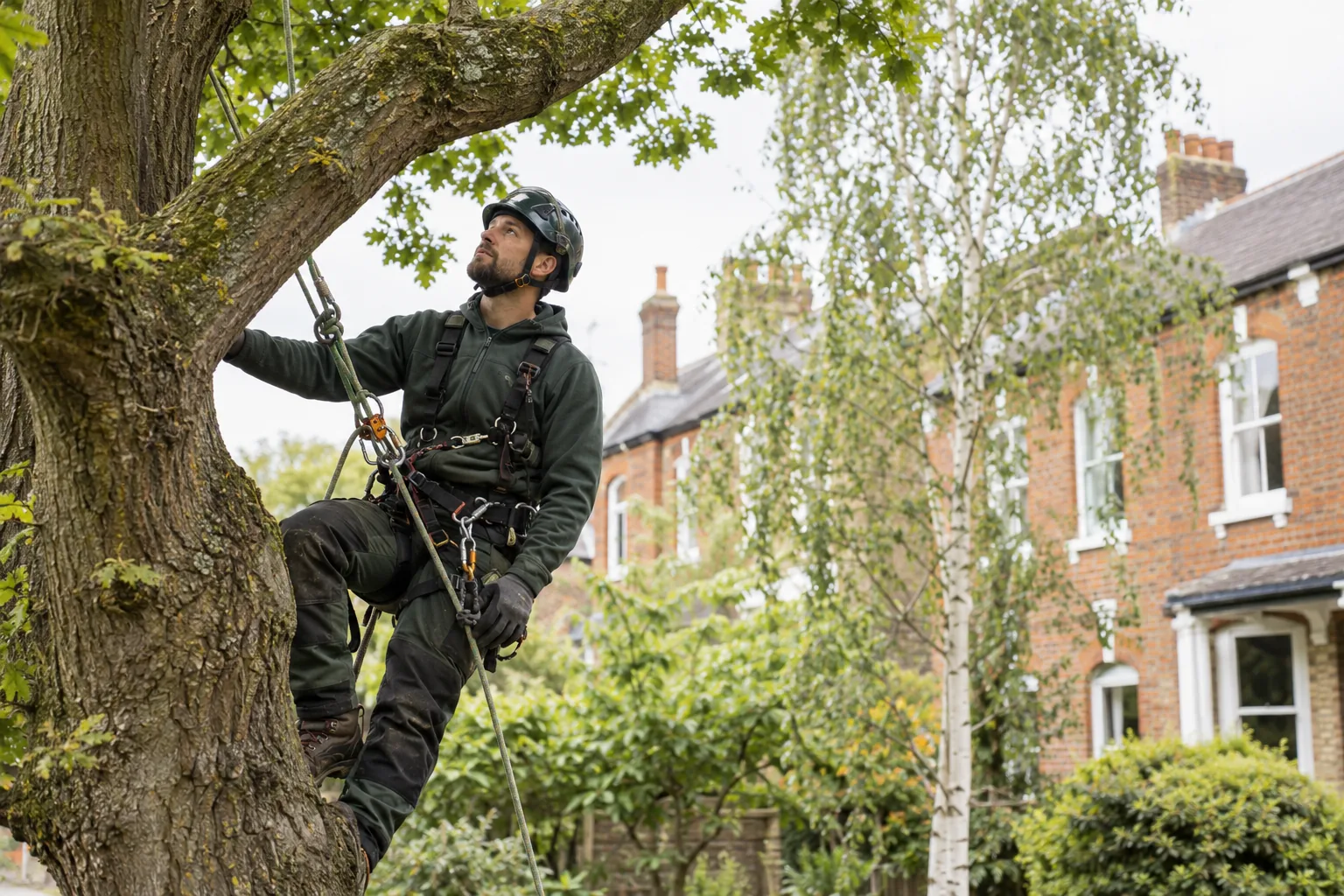
Explain restrictions along the handling route before a quotation relies on it; the provider can decide whether a visit is needed before confirming machinery, staffing and material handling.
A safe plan must account for the movement of people as well as tree material; include children, pets, visitors and anyone who might enter through a gate without seeing what is happening.
Keep assumptions about permissions out of the price
The quotation should let you recognise the result you are buying; record any item whose completion depends on access, permission or information not yet available.
Two similarly sized trees can require different working arrangements; avoid implying that there is a universal cost per tree that can sensibly cover every property and operation.
For this particular brief, the scope should explain its response to a proposed pruning or removal job where the owner has not yet established the tree’s protection status, rather than substitute an unrelated standard operation.
| Planning decision | Information to provide | What to agree |
|---|---|---|
| The reported concern | The exact property address, tree location and any previous correspondence or application reference relating to it | An assessment and a defined management objective |
| The retained crown | A specific proposed operation that can be checked against the applicable permission or notification requirements | An understandable pruning scope, if work is appropriate |
| The working route | A site visit arranged with the person able to identify the correct tree and explain the proposed access | Method, protection and workable site separation |
| The finished space | Any restriction or replacement requirement that may affect plans for the ground after an approved removal | Stump, material and reinstatement responsibilities |
Consider conditions that affect the post-removal ground
For the space left at ground level, consider any restriction or replacement requirement that may affect plans for the ground after an approved removal.
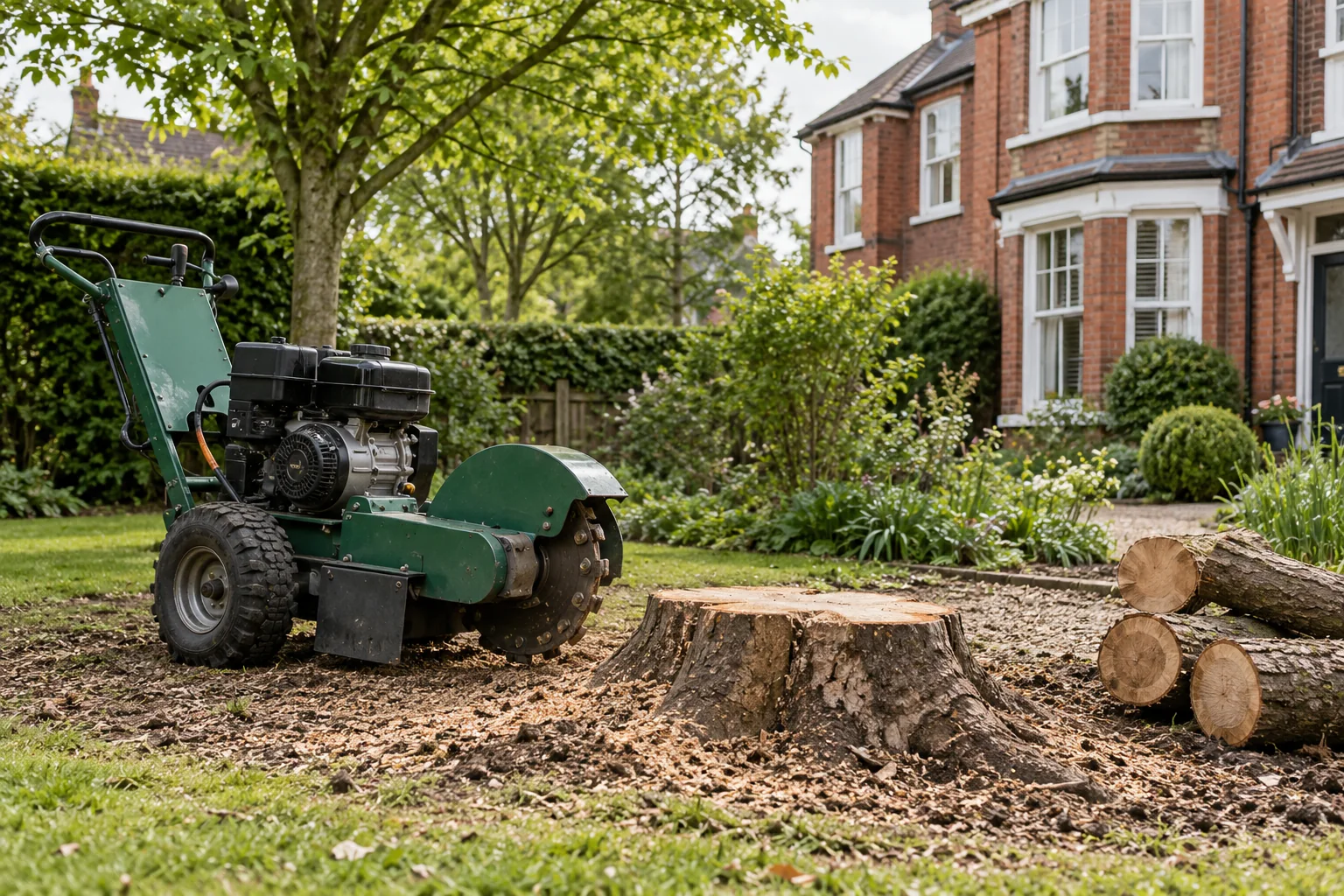
Ask the quotation to distinguish stump reduction from the work that follows it; recognise that access constraints may limit the machinery and extent of treatment available at that location.
The surface can look clear while woody material remains below; confirm whether removal of roots or replacement of soil is included before accepting the quotation. Compare the proposal with the stump grinding guidance; use this information before treating a cleared surface as ready for planting or construction.
Specify arisings without exceeding the approved scope
Waste removal is easier to understand when each type of material is named; the quotation reflects the handling, collection and finish that the customer actually expects.
A request to keep logs should include the practical limits of the storage space; discuss chip separately if it is intended for a garden use that requires suitable material.
The completion check should include the completed scope matching the applicable decision and any further responsibilities recorded with it.
Record completion against the applicable decision
A useful follow-up for this property would consider the completed scope matching the applicable decision and any further responsibilities recorded with it.
Record the work undertaken and any advice given about the remaining tree; distinguish a reasonable future review from a promise that the tree will never need further attention.
The owner can keep a simple record of changes without attempting a specialist inspection; but do not climb, pull a suspect limb or excavate around roots in an attempt to test the tree yourself.
Arrange an informed Ilford enquiry
Use the details in this guide to describe a proposed pruning or removal job where the owner has not yet established the tree’s protection status. Give the person handling the enquiry enough detail to arrange the next step; flag concerns that may require a different response from an ordinary maintenance enquiry. Contact Tree Surgery London with the brief so the appropriate next step can be discussed; the customer can understand the proposed scope before committing to the operation described.
For another property nearby, the guides to tree work in Romford and Leyton tree surgery offer separate practical starting points. Another garden may need a different working method and specification; keep the assessment focused on the specific concern and the people or structures affected.
Local permission checks for Ilford
Redbridge's tree guidance recommends contacting the home insurer where subsidence is suspected so the cause can be investigated. For an Ilford enquiry involving cracking or movement, do not turn a nearby tree into a confirmed explanation without that evidence. An arborist can assess the tree and discuss its management, while the relevant building investigation addresses structural questions. Removal should not be selected merely because it appears to offer a quick answer.
Permission remains a separate check if work is subsequently proposed. Redbridge identifies TPOs, conservation-area protection and conditions attached to planning permission, with an enquiry form for confirming the status of a particular tree. Supply the exact address, tree location and useful photographs rather than a general district description. If an investigation supports an operation, include the relevant documents in the application and keep the final specification precise. Agree ownership and access, then confirm how timber and branches will be handled. These steps connect the evidence and proposed tree work without claiming that a particular defect is prevalent throughout Ilford.
Questions about tree work in Ilford
Does a neighbouring tree’s permission cover mine?
No assumption should be made from another tree or property. Establish the identity and protection position of the tree concerned and the scope of the actual decision. Provide existing correspondence so a provider can understand what has already been checked.
Can a postcode alone establish the correct permission process?
A postcode helps locate a property, but it is not a substitute for checking the exact address and tree. Use the relevant authority’s official information and clarify any uncertainty before agreeing that work can begin.
What should I send with a Ilford tree-work enquiry?
A marked photograph and a simple access description are useful starting information; avoid putting yourself beneath unstable growth or climbing the tree to obtain additional photographs.
How should I check tree protection at my Ilford address?
Locate the correct address and ask about the tree’s current protection position; confirm the applicable application or notification requirements before agreeing that cutting can begin.
What affects the quotation for tree surgery in Ilford?
The working method and protection needs can matter as much as the apparent amount of growth; do not assume a standard price can cover every route, tree condition and material-handling arrangement.
What should be agreed about clear-up at the Ilford property?
State which branches, timber and chip will be removed and identify anything you want to retain; the final check can refer to a shared understanding instead of competing expectations about the same quotation.