LONDON TREE CARE / Canary Wharf
Tree Surgery Canary Wharf
An enquiry about a tree in Canary Wharf may involve a property manager, occupier, freeholder or landscape maintenance contractor. Before work is arranged, establish who owns or manages the tree and who can approve an operation. Tree Surgery London accepts Canary Wharf enquiries and can discuss the tree work once the relevant authority and access arrangements are clear. A planting bed beside a building is not necessarily controlled by the person who uses the nearest door.
- An accountable instruction for a managed-site tree project
- Establishing the authorised client and site controls
- Practical preparation for a tree within a managed residential or commercial outdoor area
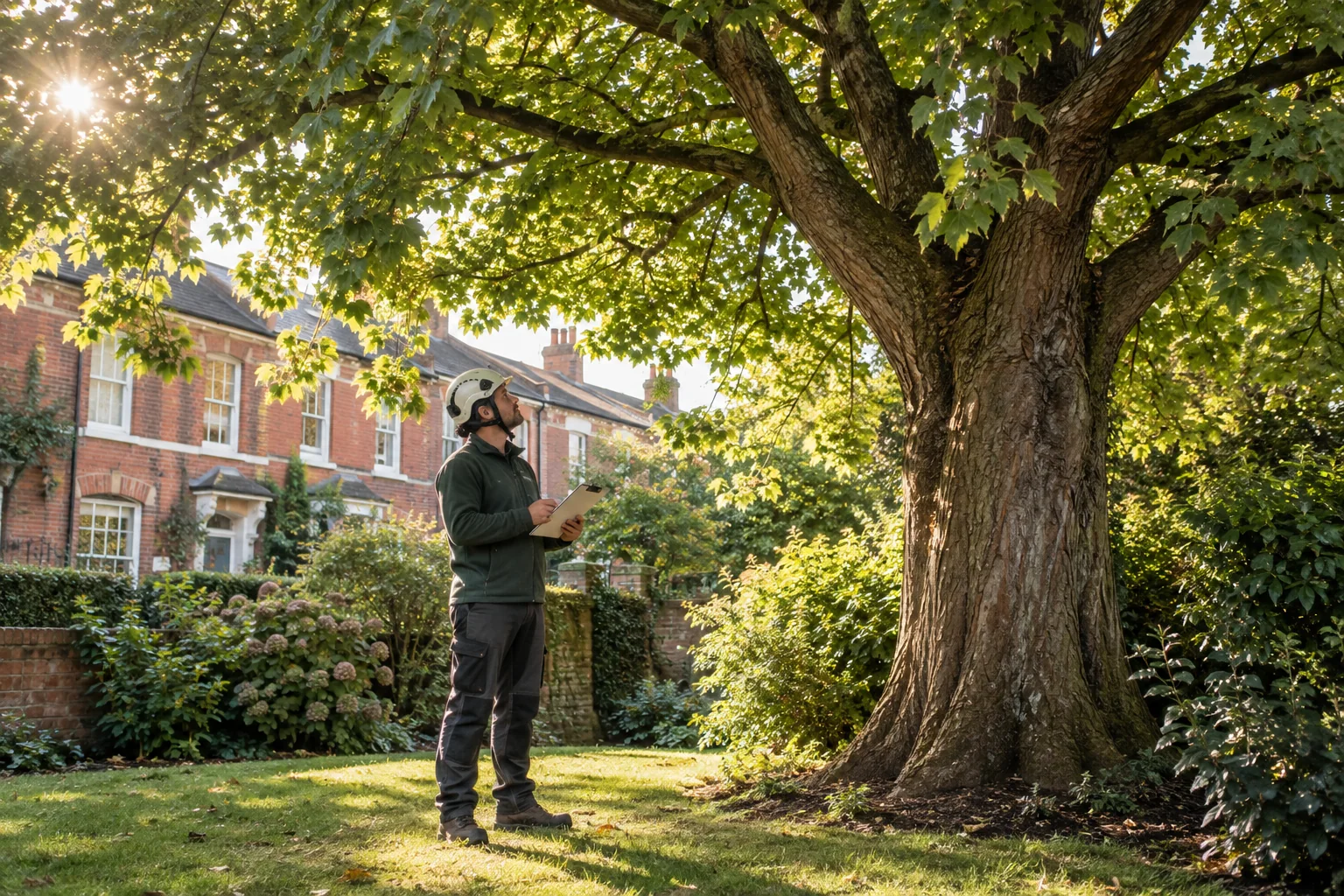
Home / London coverage / Canary Wharf
Ask the managing party for any inspection records, tree references and current maintenance instructions. Those details can avoid commissioning work that duplicates or contradicts an existing plan. If a defect has prompted the enquiry, explain it separately from a general request for tidiness. A maintenance schedule may need review when a tree’s condition changes, but the change should be considered by an appropriate professional.
Managed outdoor spaces need a plan for pedestrians, deliveries and adjoining activities. Tell the contractor about sign-in requirements, restricted routes and times when an area cannot be closed. The work method and exclusion zone should determine whether the proposed window is feasible. A quiet-looking photograph is not enough to establish how the site will operate during the visit.
Match the authorisation records to the managed-site scope
The managing party should establish the relevant authority and protection position for the actual property and tree reference. Agree who handles any necessary process and retain the response with the proposed operation. A maintenance contract or occupant request does not settle those separate requirements. If inspection changes the specification, refer the updated proposal to the authorised contact before work proceeds. Include relevant wildlife observations in the information given to the contractor so practical timing and method can be assessed with the rest of the managed-site constraints.
A useful quotation records assumptions about site closure, access, equipment positioning and collection, with any reporting or subsequent landscape work distinguished. Check that the proposed working window can accommodate the method rather than treating an available appointment as proof of feasibility. Clarify who can approve a variation and keep that contact reachable. After the visit, return the final description, relevant findings and review advice to the asset records. The next managing contact should be able to see the purpose and limits of the completed operation without reconstructing several separate conversations with occupiers or other contractors.
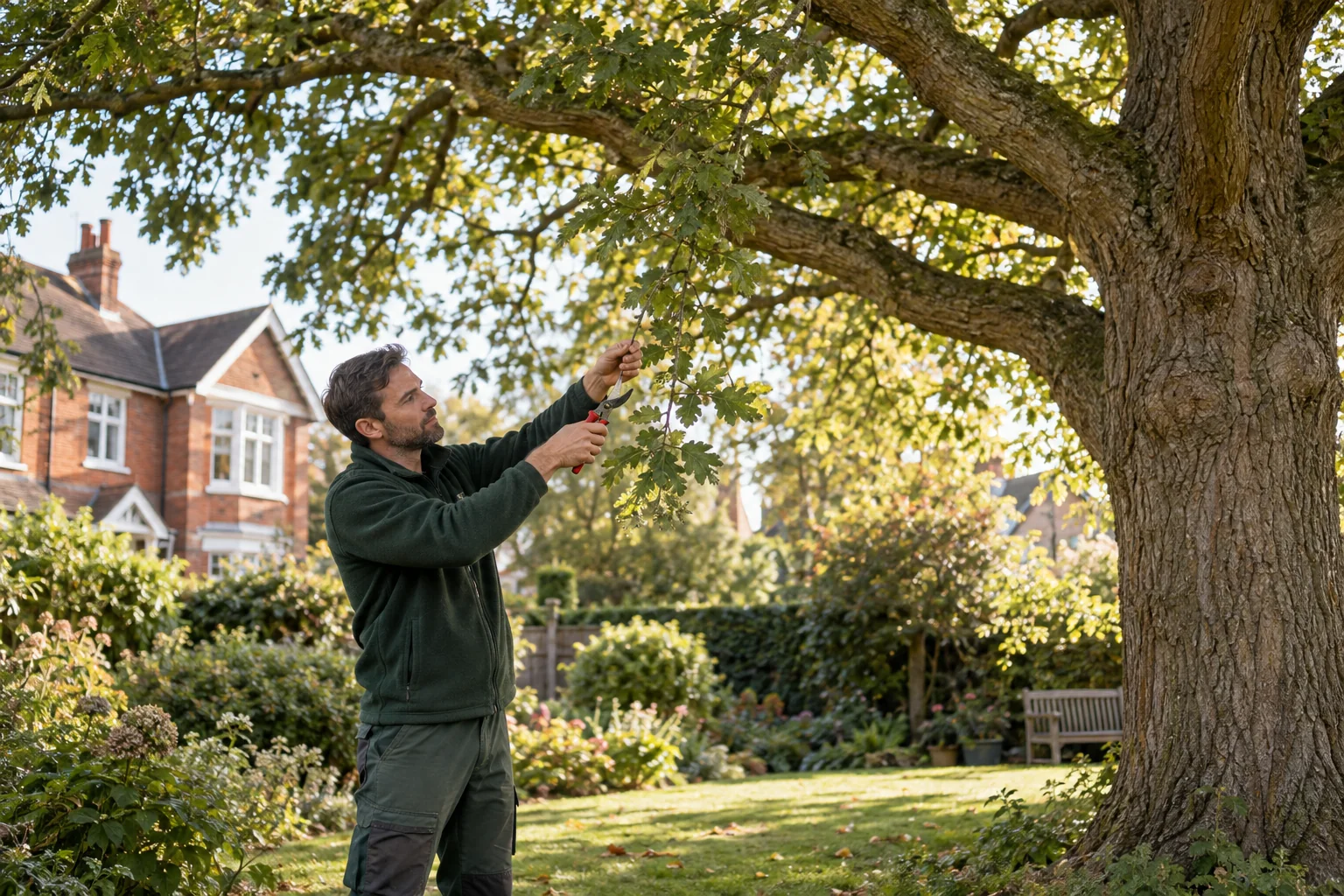
Identify the managed asset and its authorised client
Use any existing tree reference and confirm the party responsible for the planting area. A resident or tenant may be the first person to notice a change without being entitled to commission work. The enquiry should connect that observation with the relevant managing contact rather than asking a contractor to infer ownership from the position of a building entrance.
For a condition issue, the tree care information helps clarify the kind of assessment being requested. Explain whether a written finding is required for records or decision-making. Existing maintenance instructions should be supplied as background, with their date, so the professional can identify what remains relevant.
Preparing for the visit in Canary Wharf
Provide a named approving contact and a separate site contact if needed. Confirm the route from the tree to the collection point and identify any land controlled by a different party. Keep the accepted specification available to the person meeting the contractor.
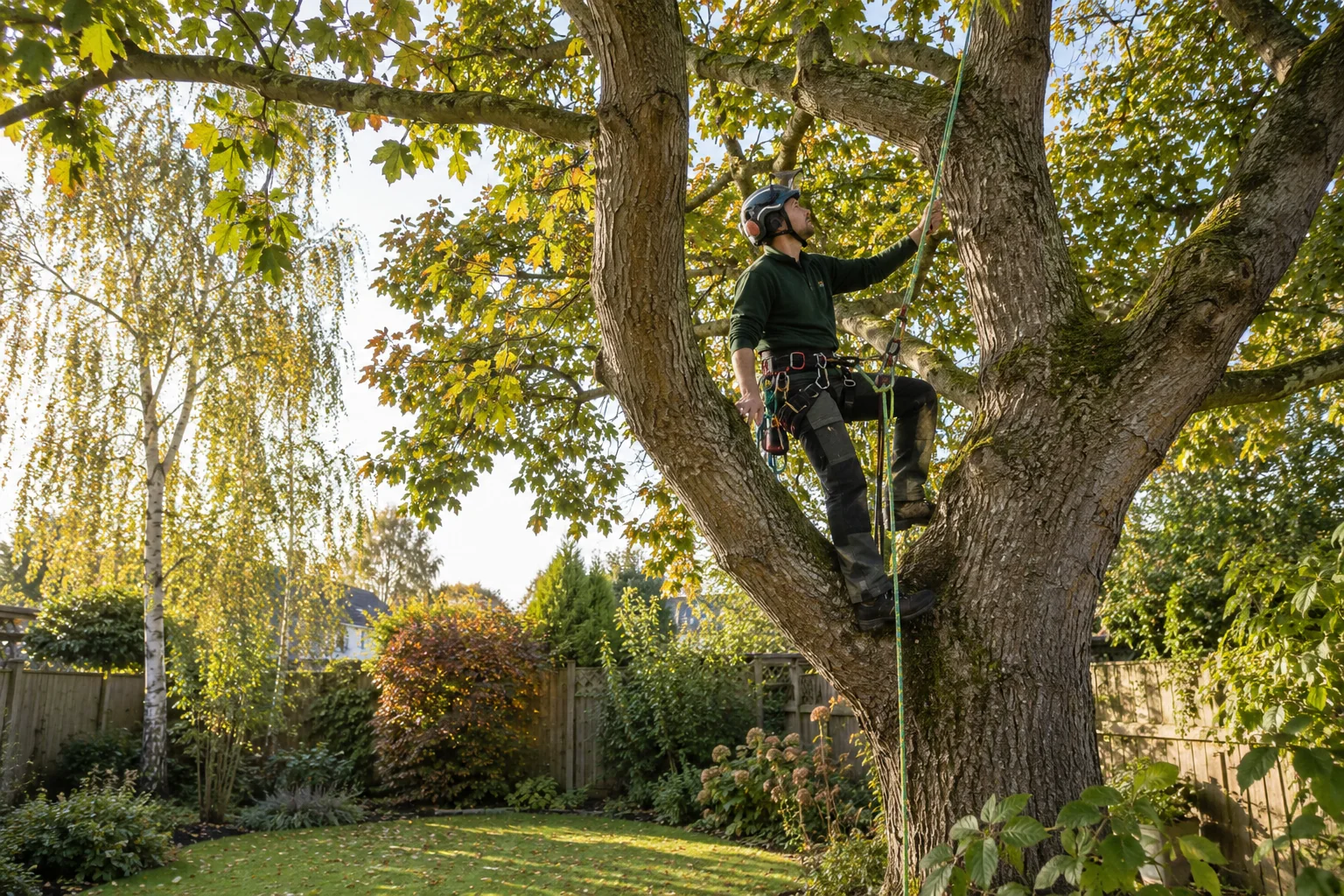
Relate the operation to the maintenance purpose
A request for a tidy appearance is different from clearance beside a route or investigation of a defect. The pruning overview helps separate those objectives from the operation chosen to achieve them. Ask the final quotation to identify the tree, reason for work and expected result in language the approving party can understand.
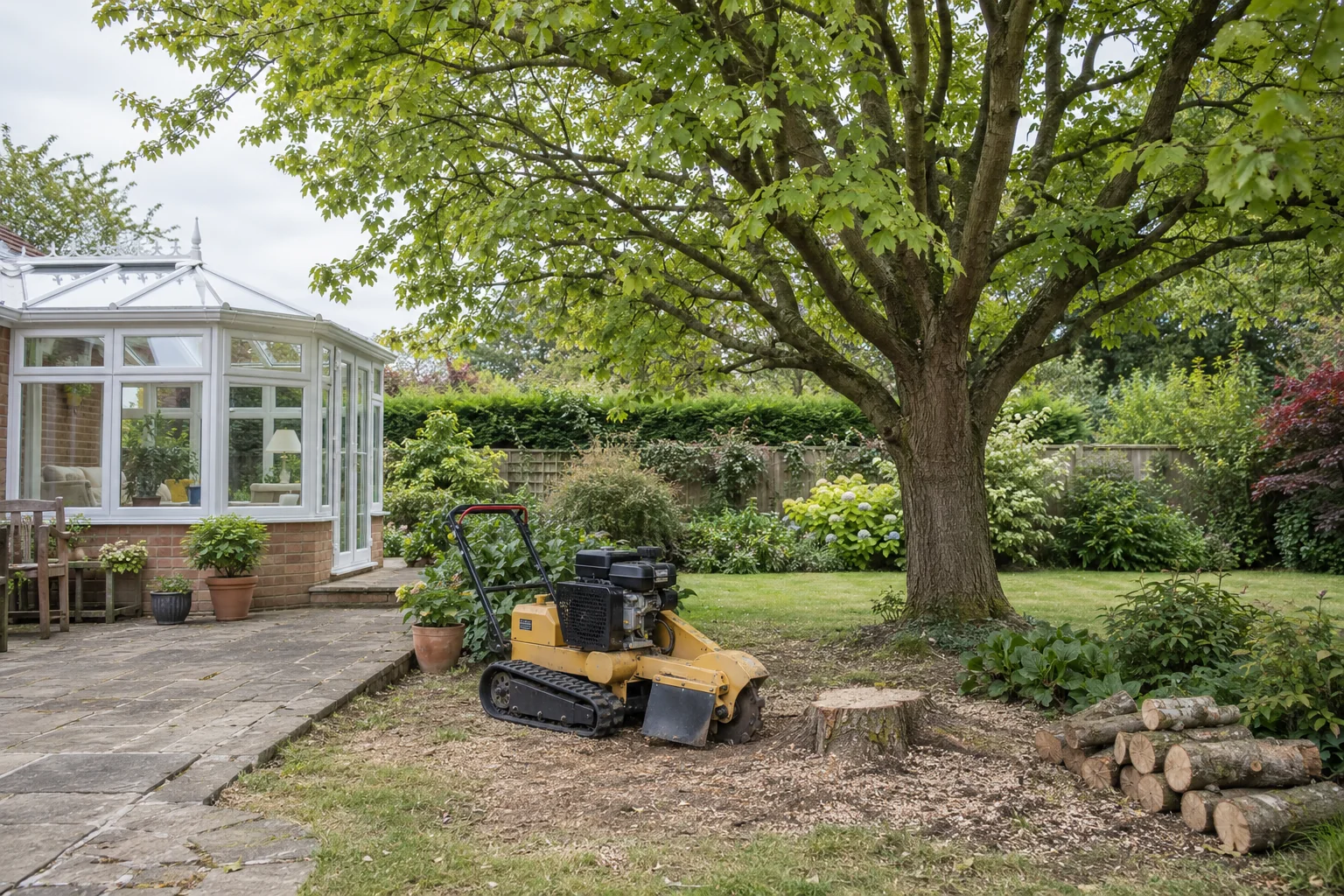
Where removal is proposed, the scope should explain timber, stump and finishing arrangements. If another landscape contractor manages the area, pass on the relevant requirements before the quote is accepted. That coordination avoids an assumption that the tree crew will complete separate soil preparation or reinstatement that was never included.
Make the operational site information specific
Describe sign-in procedures, controlled entrances, loading arrangements and pedestrian use at the intended working time. The contractor should assess the work area and handling route against those conditions. A photograph taken during a quiet period cannot communicate every delivery or occupancy restriction, so supplement images with a concise site brief.
Name both the approving and meeting contacts if their roles differ, and keep the accepted scope available on site. Agree how occupants will learn about temporary restrictions and who can authorise a change. At completion, return relevant records to the managing party so the maintenance history remains with the asset rather than a single departing contact.
Discuss the next step for your Canary Wharf property
Start with the Canary Wharf enquiry information and explain the result you want, the tree concern and the access available. For an accountable instruction for a managed-site tree project, the Tree Surgery London homepage gives the wider introduction to the service. For an address outside Canary Wharf, the guides for Stratford and Greenwich provide related local enquiry routes; use the actual property address when arranging attendance.
Availability, the final operation and the quotation should be confirmed for the individual Canary Wharf property, with establishing the authorised client and site controls explained before the work date is agreed.
| Decision to make | Information to provide | What to clarify |
|---|---|---|
| An accountable instruction for a managed-site tree project | Views of a tree within a managed residential or commercial outdoor area and the feature that prompted the enquiry | The intended result and the limits of the recommended operation |
| Pruning or removal | Tree condition, previous work and the reason for the request | How the recommendation addresses establishing the authorised client and site controls |
| Work method and access | Gate measurements, route photographs and fixed obstacles | Equipment, handling arrangements and protection included in the scope |
| Permission position | Exact property address, tree reference and any existing records | Who confirms the applicable requirements before work proceeds |
| Completion and follow-up | Whether timber stays and what use follows the operation | Clearance, remaining ground work and any recommended review |
Local permission checks for Canary Wharf
For a Canary Wharf enquiry, establish the land manager before treating the tree as a private domestic instruction. A tree can form part of a managed estate, communal landscape or public route, and the person using the space may not be authorised to commission work. Tower Hamlets' tree-management guidance distinguishes public responsibilities from private work and provides a way to check statutory protection. Estate approval and council permission address different questions and should not be treated as substitutes for one another.
Ask the responsible manager about access, pedestrian segregation, delivery restrictions and the location where branches could be loaded. These arrangements depend on the actual site rather than a general assumption about the district. Give an arborist photographs of the whole tree and its relationship to buildings and occupied areas. The resulting assessment should explain the work objective and the scope needed to meet it. Keep the agreed permissions and handling plan together so everyone involved understands which tree, operation and working area have been authorised.
Questions about tree work in Canary Wharf
Who can commission work on a tree beside my building?
First establish ownership and the authorised managing party. The nearest occupier may not control the planting area, so the instruction and any access agreement should come from the appropriate property contact.
What records should a managing party provide?
Supply relevant tree references, inspection findings and maintenance instructions, with their dates. They help explain the existing programme and avoid a new operation duplicating or contradicting earlier advice without a reason.
Can an estate maintenance schedule replace a new inspection concern?
A changed condition should be described separately and considered on its merits. An existing programme may remain useful background, but it does not automatically answer a newly reported defect or justify waiting for routine attendance.
What information helps with Canary Wharf site access?
Provide sign-in requirements, permitted routes and any restrictions affecting the proposed work window. Include the complete collection route and identify areas controlled by another party rather than assuming all nearby space is available.
Who should meet the tree contractor at a managed site?
Name a site contact who understands the approved scope and access arrangements. Also provide the approving contact if different, so a finding that changes the operation can be referred to someone with authority.
Can pedestrian activity be judged from site photographs?
Images are helpful but may omit busy periods and deliveries. Describe normal use and any essential route, allowing the contractor to assess the controls needed for the actual working time rather than an empty-looking moment.
Can an occupier request extra work while the contractor is present?
Pass additional concerns through the authorised managing contact and contractor before any change is made. A new request may affect the assessment, permission position or work controls. The accepted variation should be recorded so the asset history describes the completed operation rather than only the original maintenance instruction.